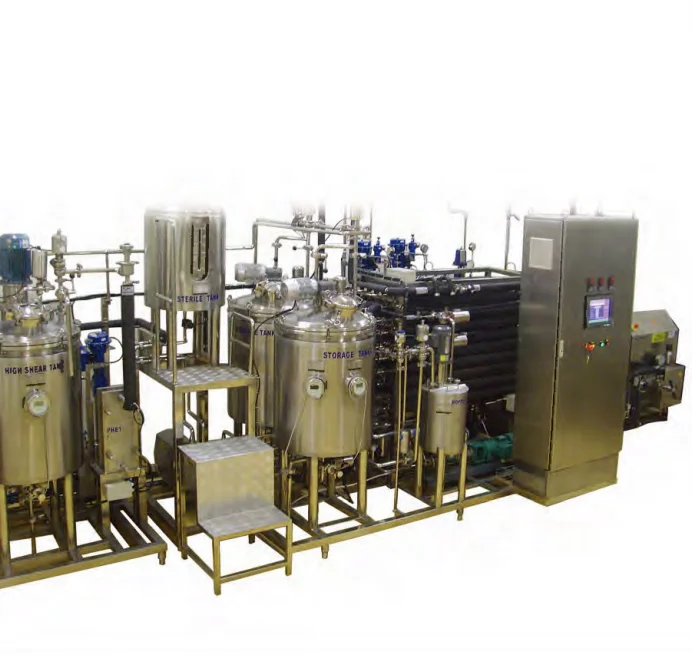
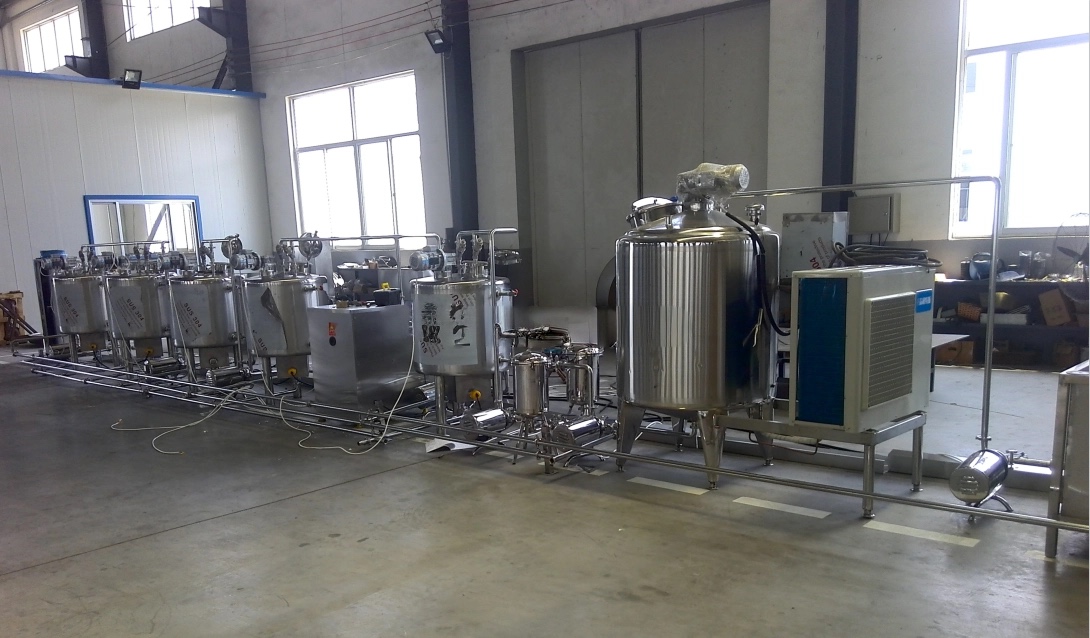
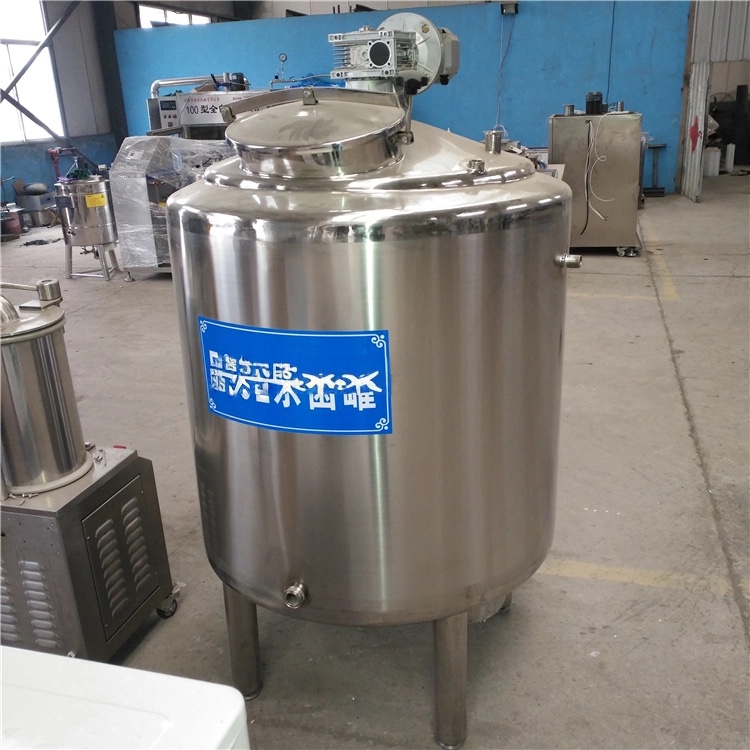
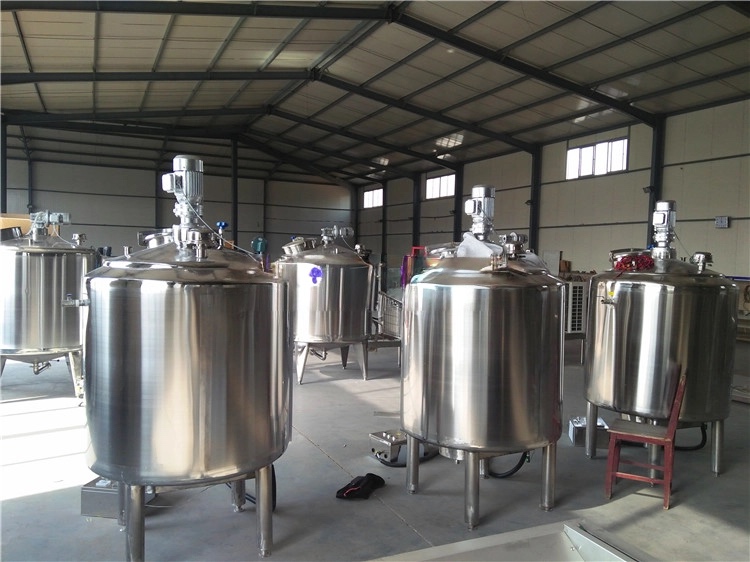
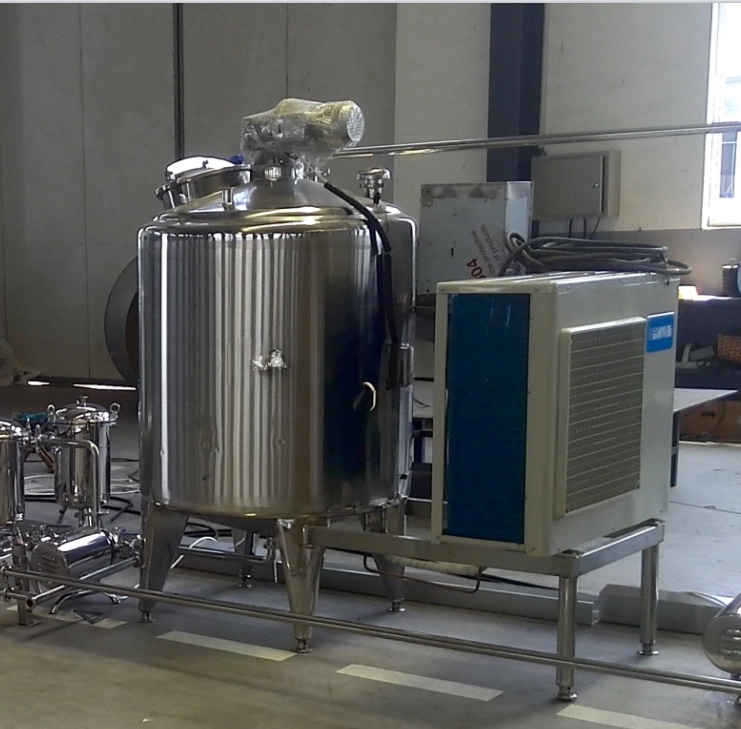
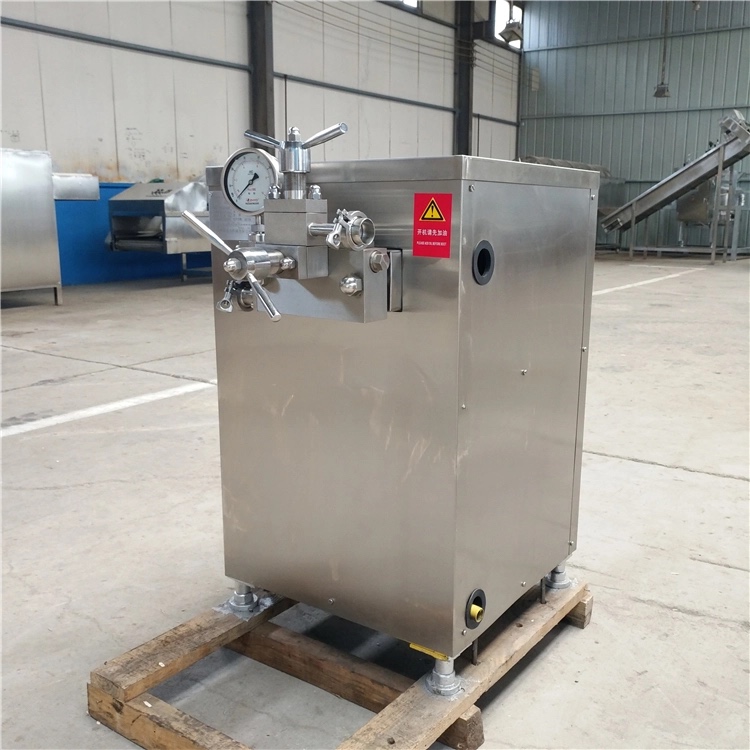
In the dynamic landscape of dairy processing, small and medium-sized enterprises (SMEs) often face the challenge of balancing efficiency, quality, and cost-effectiveness when venturing into yogurt production. Enter the Small Yogurt Production Line—a tailored, compact, and high-performance solution designed to meet the unique needs of start-ups, artisanal dairies, and niche food manufacturers. This line is not just a set of machines; it is a streamlined ecosystem that transforms raw milk into delicious, nutritious yogurt with precision, simplicity, and scalability, making it an indispensable asset for businesses looking to carve a niche in the competitive dairy market.
At its core, the Small Yogurt Production Line is engineered for space optimization, a critical advantage for small-scale operations with limited factory floor area. Unlike large, industrial-grade lines that require extensive square footage, this compact system arranges key processing units—including milk pre-heater, homogenizer, fermenter, cooling tank, and semi-automatic packaging machine—in a modular layout. Each component is designed to fit seamlessly with the next, reducing the overall footprint by up to 40% compared to traditional production setups. This modularity also allows for flexible installation; businesses can start with the core units and expand incrementally as demand grows, avoiding the need for large upfront investments in equipment that exceeds their current production capacity.
Beyond its space-saving design, the line excels in process efficiency and product consistency—two non-negotiable factors for yogurt quality. The production process begins with milk pre-heating, where raw milk is gently heated to a precise temperature to eliminate harmful bacteria while preserving the milk’s natural nutrients and flavor. Next, the homogenization unit breaks down fat globules into smaller particles, ensuring a smooth, creamy texture in the final yogurt product and preventing layer separation during storage. What sets this line apart is its intelligent fermentation control system: the fermenter is equipped with a temperature and pH monitoring device that maintains optimal conditions for yogurt cultures (such as Lactobacillus bulgaricus and Streptococcus thermophilus) to thrive. This automated control eliminates human error, ensuring that every batch of yogurt ferments at the exact temperature and duration required, resulting in consistent taste, texture, and probiotic content across all production runs.
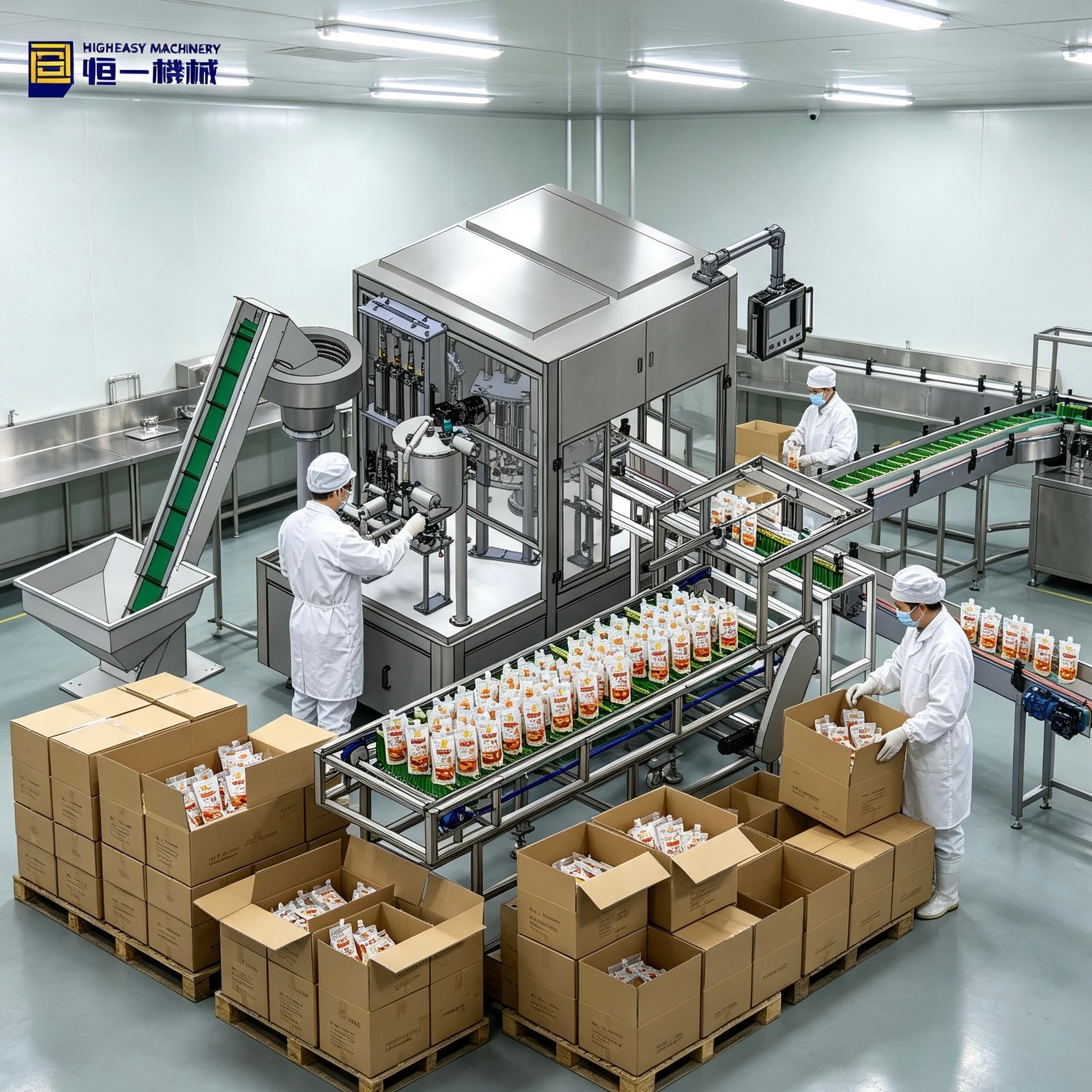
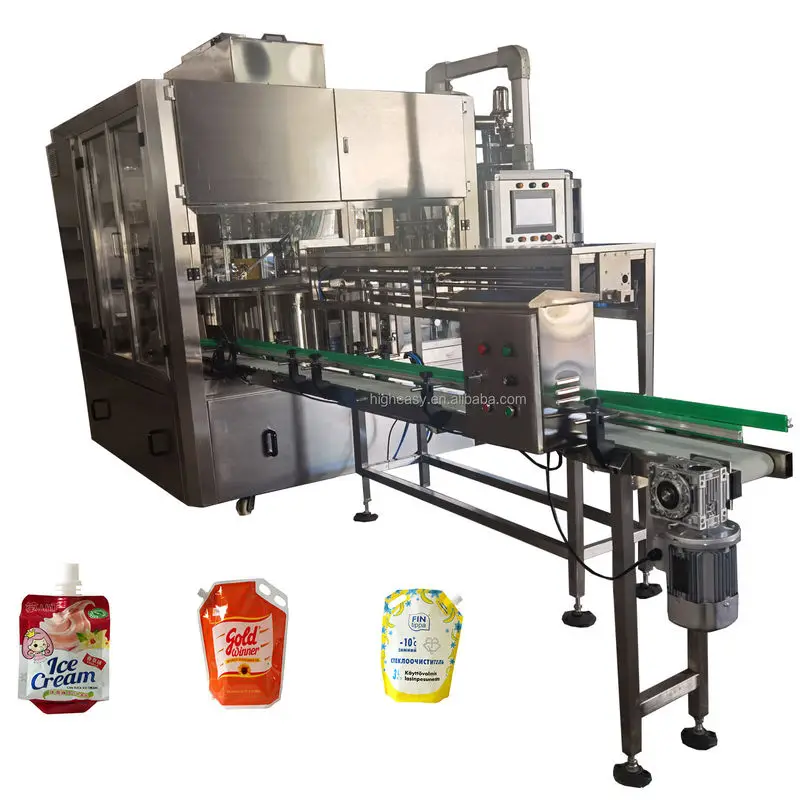
After fermentation, the yogurt is transferred to a cooling tank, where it is rapidly cooled to halt the fermentation process and lock in freshness. This step is crucial for preserving the yogurt’s delicate flavor and extending its shelf life without relying on excessive preservatives. The final stage—packaging—is handled by a semi-automatic machine that accommodates various container types, including plastic cups, glass jars, and pouches. This versatility allows businesses to cater to diverse consumer preferences, from single-serve on-the-go cups to family-sized jars, expanding their product range without additional equipment costs. The packaging machine also features adjustable filling volumes, making it easy to switch between different portion sizes, further enhancing the line’s flexibility.
Ease of operation and maintenance is another key benefit of the Small Yogurt Production Line, making it accessible even to teams with limited technical expertise. Each machine is equipped with a user-friendly touchscreen interface that displays real-time production data, including temperature, fermentation time, and filling volume. Operators can set parameters with just a few taps, and the system provides clear alerts if any step deviates from the preset standards, minimizing downtime and waste. Maintenance is equally straightforward: the modular design allows for easy access to each component, and removable parts are dishwasher-safe or can be cleaned with standard sanitizing agents. The manufacturer also provides a comprehensive maintenance manual and online support, ensuring that businesses can resolve minor issues quickly without relying on external technicians.
In addition to its functional advantages, the Small Yogurt Production Line is designed with cost-effectiveness in mind. Its energy-efficient motors and insulation systems reduce power consumption by up to 25% compared to conventional lines, lowering monthly utility bills for small businesses. The line also minimizes raw material waste: precise filling technology ensures that every container is filled to the exact desired volume, and the closed-loop processing system reduces milk spillage during transfer between units. For businesses focused on producing organic or specialty yogurt, the line is compatible with a range of raw materials, including cow’s milk, goat’s milk, soy milk, and coconut milk, allowing them to tap into premium market segments with minimal adjustments to the production process.
From a market perspective, this production line empowers small businesses to respond quickly to evolving consumer trends. As demand for artisanal, locally produced, and functional yogurts (such as high-protein, low-sugar, or probiotic-rich variants) continues to rise, the Small Yogurt Production Line provides the agility to experiment with new recipes and flavors without the constraints of large-scale production. Whether a business is targeting health-conscious consumers, children’s snack markets, or premium gourmet segments, this line can adapt to meet specific product requirements, helping SMEs compete with larger dairy brands on quality and innovation rather than just price.
In conclusion, the Small Yogurt Production Line is more than a piece of equipment—it is a gateway for small-scale dairy businesses to turn their passion for quality yogurt into a profitable venture. Its compact design, automated precision, operational simplicity, and cost-effectiveness make it the perfect solution for start-ups and SMEs looking to enter the yogurt market, scale their operations gradually, and deliver consistent, high-quality products that delight consumers and build brand loyalty. In an industry where efficiency and flexibility are key to success, this production line stands as a testament to how smart engineering can empower small businesses to achieve big results.
Basic process
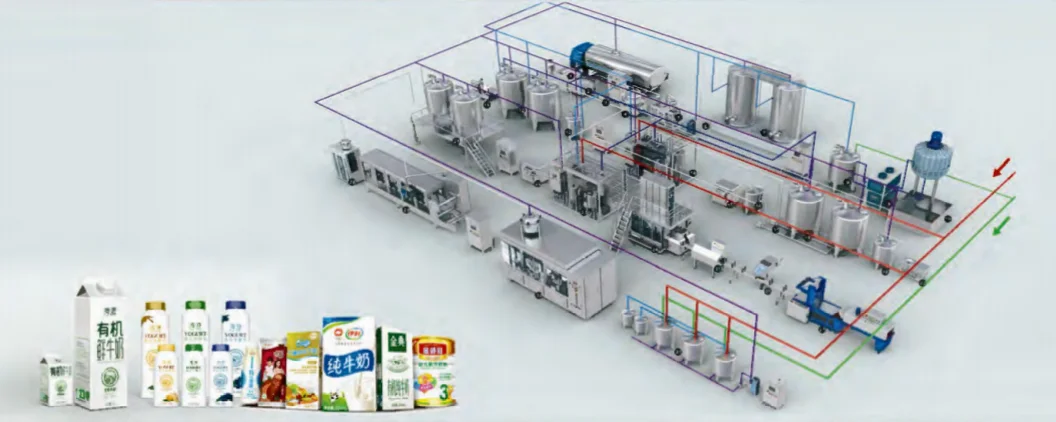
The standard production process of pasteurized milk: raw milk → storage tank → filtration → preheating → homogenization → sterilization → pre-cooling → fermentation → filling → CIP cleaning.
Simplified production process of pasteurized milk: raw milk → storage → sterilization → cooling → fermentation → filling
Corollary equipment
The standard process equipment for pasteurized milk is: raw milk → pump → storage tank → pump → duplex filter→ pump → preheating tank → pump → homogenizer → pump → stirring sterilization tank → pump → pre-cooling tank → pump → Fermentation tank → pump → filling machine → CIP cleaning system
Process introduction
Store the whole milk in the raw milk tank, and then pump the raw milk into the preheating tank through a special stainless steel milk pump and a duplex filter for preheating. Generally, the preheating temperature will be around 45°C.
After preheating , the raw milk is poured into the homogenizing tank for homogenization, and corresponding auxiliary materials are added to make the raw milk smoother after homogenization.
After homogenization ,start the centrifugal milk pump , and the raw milk is pumped into the pasteurization tank for sterilization and stirring.
When sterilization is required, turn on the centrifugal milk pump connecting the original milk tank and the pasteurization tank, and pasteurize it with 350# heat transfer oil or hot water/steam. According to different heat sources and output, the sterilization time is generally 0.5 to 1.5 hours , and the pasteurization temperature is 85℃.
After sterilization , the fresh milk is pumped into the pre-cooling tank through the milk pump. The pre-cooling tank uses cold water for pre-cooling, and then pumps it into the fermentation tank, adding corresponding strains and starters, and starter for yogurt fermentation.
CIP system does not decompose production equipment, but can also use simple operation methods to clean the system. safely and automatically It has been introduced into almost all food, beverage and pharmaceutical factories. CIP system can not only clean the machine, but also control microorganisms.
The CIP cleaning system is composed of three storage tanks with weak acid water, weak alkali water, and clean water, as well as pumps, pipes, valves, etc. The equipment is cleaned by the circulation of three liquids, so that the equipment is clean and has no sanitary dead corners. In principle, it is recommended that customers use the CIP cleaning system, but the cost of the CIP cleaning system is higher. If the output is low, the customer can also choose manual cleaning.

Company Information
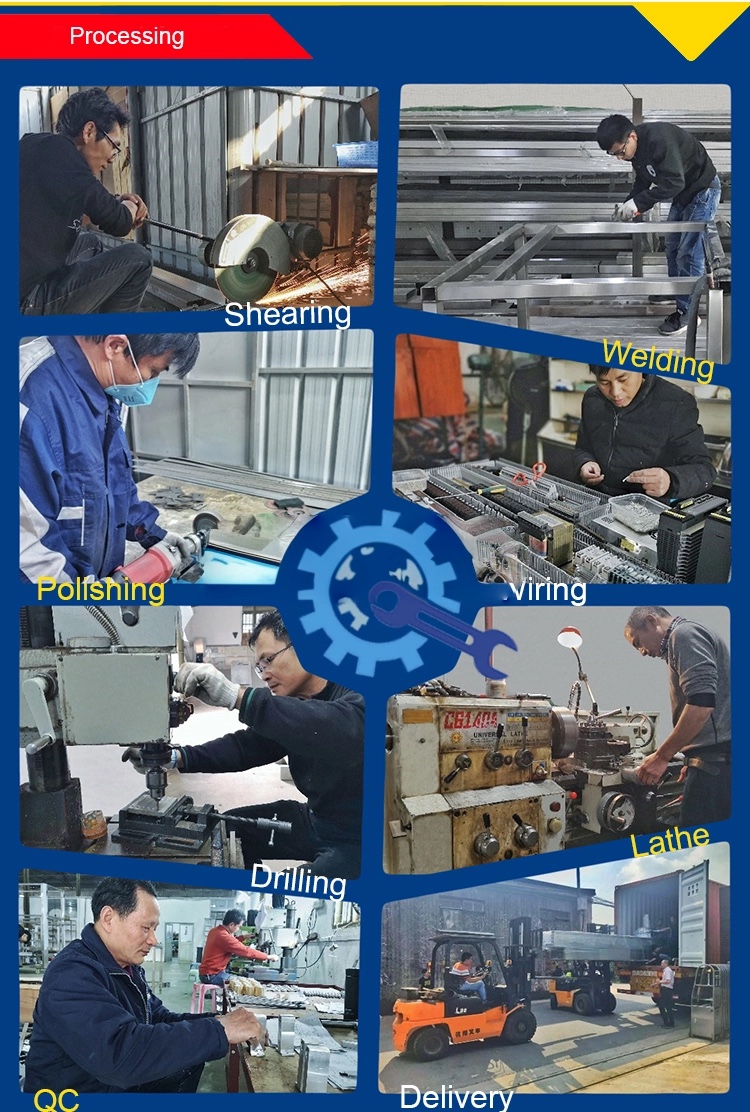
Shantou Higheasy Machinery Co.,Ltd is a manufacturer specializedin various foodstuff machinery and packing machinery, integratesautomatic packaging system development, engineering, production,installation and maintenance, with more than 25 years ofaccumulated experience in packaging machinery industry, Higheasyhas owned the most advanced production equipments and abundantproducing experience and high talent R&D team in the field ofautomatics. The team of famous senior mechanical engineers andjunior technicians has become the assurance of strong R&Dengineering and maintenance through modern management.
FAQ
Q1: Can the machinery be customized?
A1: Yes. We can customize the core configurations of the equipment such as the number of filling heads, feeding method and sealing form according to your product form (such as liquid, paste, solid), packaging specifications (such as bottle, bag, can) and production capacity requirements.
Q2:How long is the delivery time of the equipment?
A2:The delivery time for regular standard models is 15–20 working days, and for customized models is 30–45 working days.
Q3:Payment term
A3:By T/T, 30% before production, 70% before shipment
Q4:How long is the warranty period of the equipment?
A4:One year
Q5:How is the maintenance cost calculated after the warranty period?
A5: Lifelong maintenance is provided after the warranty period, charging the cost of spare parts and reasonable on-site service fees.
Q6:Can your equipment be adapted to our existing production line?
A6:We will first evaluate your production line parameters and process requirements, and then make targeted adjustments to the equipment.