
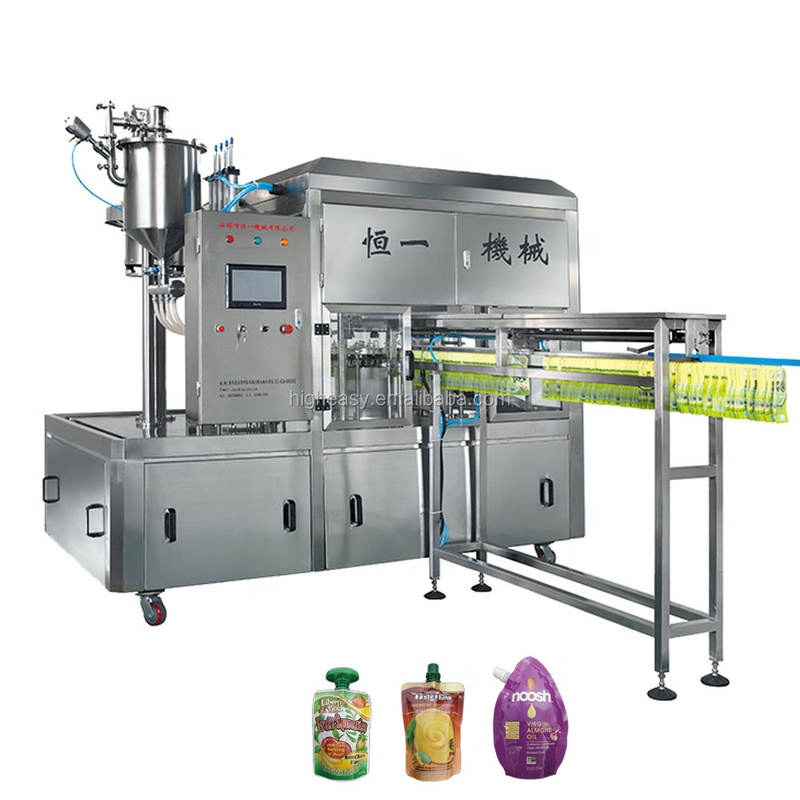
The spout pouch filling and capping machines have three primary sealing methods that all have unique safety, material, and temperature considerations. Heat sealing destroys, creates, and connects layers of polymers together using constant heat so that the layers can meld together. Although it is fast and relatively high- volume, it can destroy sensitive layers in laminated materials. Impulse sealing, like heat sealing, is done in bursts. However, the temperature decreases, and the material can be preserved. This is good for materials such as metallized PET and medical-grade peelable laminates, but it can slow down production greatly. Ultrasonic sealing, on the other hand, creates heat by vibration. The issues created by external heat are avoided, but the operator must find the right settings for the process, as an improper amplitude can lead to spouts that are broken or seals that are weak.
Sealing Method Integrity Threshold Material Compatibility Throughput Speed
Heat Moderate (80–100 PSI) Polyethylene, Foil 50–80 pouches/min
Impulse High (100–120 PSI) Temperature-sensitive films 30–50 pouches/min
Ultrasonic Highest (120–150 PSI) Aseptic/retort materials 40–70 pouches/min
Choosing the appropriate sealing technology is critical for each application. Heat sealing is the best for mass production food packaging because it meets speed requirements and stabilizes the laminates. When it comes to pharmaceutical products and clinical nutrition items where energy level control is crucial, impulse sealing is usually the best option. For situations with sterile fluids where seals need to be completely closed, non-thermal, and airtight, ultrasonic sealing is the best. ASTM reports that at least 15% of sealing failures are due to the wrong sealing technology for the materials being used. This emphasizes the need to seal test before acquiring sealing equipment for production runs.
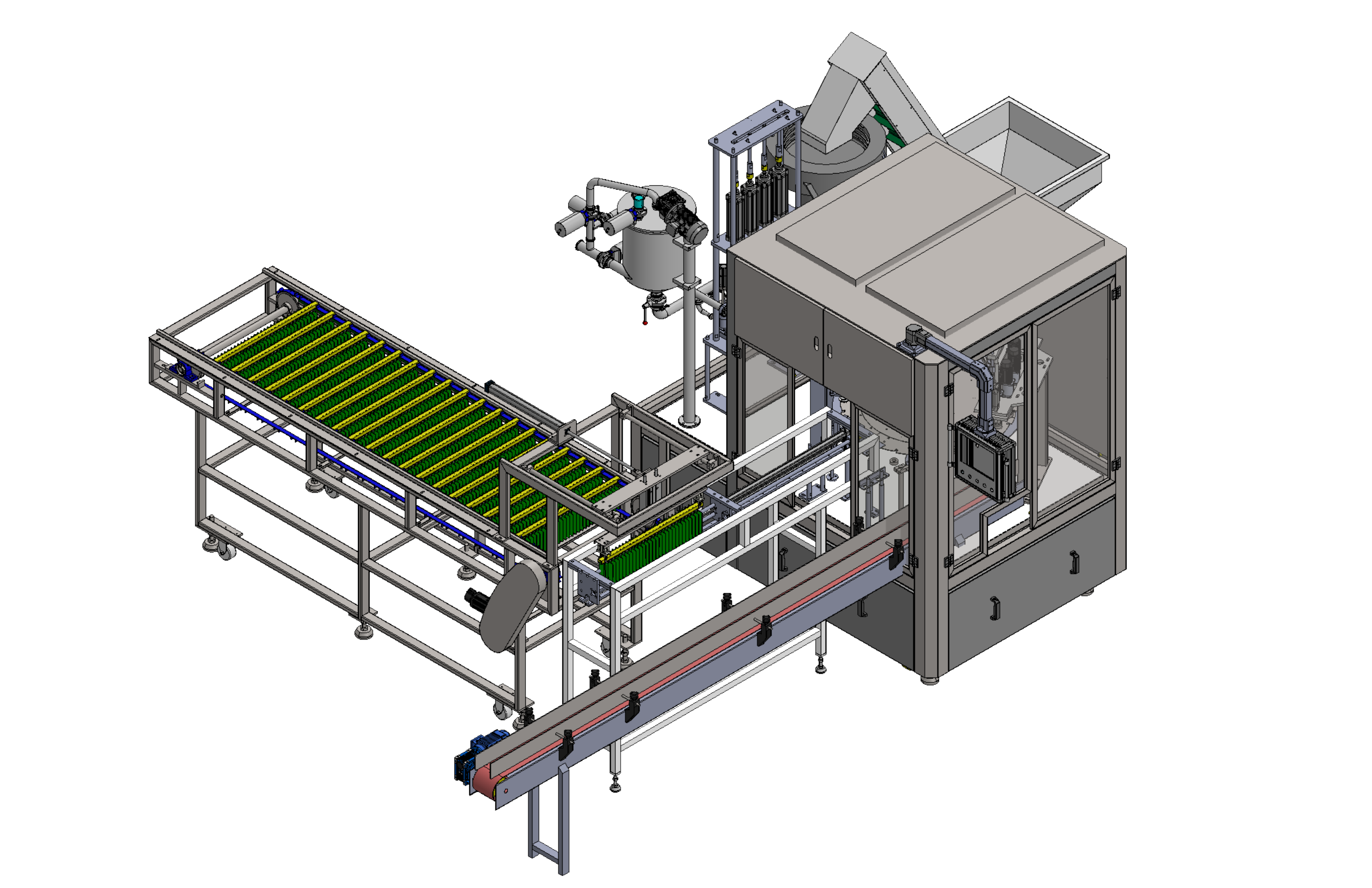
Why Over-Sealing Compromises Safety: Spout Deformation, Micro-Cracks, and Seal Integrity Thresholds
Over-sealing creates functional safety issues. These issues include extreme temperature and pressure changes or too much time during the sealing process. If the temperature exceeds the glass transition point for the plastic seals by more than 30° Celsius, the spout begins to deform. This causes the cap to become misaligned, meaning the seal is broken, resulting in the possibillity of leaks. Heat exposure can cause polymer chains to break, forming micro-cracks that are not visible without special equipment. Accelerated aging tests have shown that micro-cracks expand due to the presence of internal pressure. Within 6 weeks of sealing, products will show visible leakage problems.
Determining safe operational limits includes factors like seal integrity. For example, a polypropylene spout can begin to warp at a clamping pressure of 0.8 MPa, and multi-layer foil laminates will begin to separate when sealing is done at temperatures above 150 °C. To address these challenges, modern systems use closed-loop process control. In a sealing process, real-time sensors measure, among other things, spout sealing alignment, melt index of sealant materials, and temperature throughout the process. These sensors control temperature adjustments so that seal strength is always maintained within a predetermined target value. Target value is dependent upon prior testing and can vary from seal strength target value (testing results) +/- 5%. This level of control avoids the issues of under sealing (which can cause leaks) and over sealing (which can weaken the structure of the seal). Manufacturers can achieve consistency, despite changing raw materials and variating temperatures in the shop.
Real-Time Leak and Cap Integrity Verification for Product Safety
Vacuum Decay Testing (ASTM F2338-22) Integrated into the Spout Pouch Filling and Capping Machine Workflow
Vacuum Decay Testing (ASTM F2338-22) is built into the machines at the sealing stations, allowing the machines to test seal integrity without destroying the test sample. After the sealed spout pouches undergo a controlled vacuum decay (pressure) test, the system detects the presence of even the smallest of leaks, as tiny as a few microns, because a change in pressure is detected by a high-resolution transducer. The system also detects and reports issues in real-time, such as incomplete seals, manufacturing defects, and poor spout pouch connections. Machines also maintain the sterile integrity of the packaging and the production line by removing defective pouches prior to the capping operation. The FDA recognizes vacuum decay testing as a non-destructive method. Therefore, it is easy to see why companies desire zero defects for sterile and food grade products. This method helps eliminate product recalls and ensures compliance to the stringent requirements of 21 CFR Part 117 and ISO 11607.
Torque-Controlled Capping with SPC Monitoring to Ensure Consistent Tamper-Evident Band Activation
Capping and sealing technology has been improved with the addition of SPC (Statistical Process Control). With SPC, torque control ensures that the proper amount of torque is consistently applied to each closure, allowing the closure and the sealing band to perform their functions of leak prevention and tamper-evidence on every package. During the capping cycle, the captor applies the closure while sensors (load cells) measure the torque being applied to the closure. These highly accurate (and precise) SPC systems measure the amount of torque applied to the closure and control the closure process to a specific “target” range. The SPC systems measure torque and control the closure process to a specific “target” range. When the closure is too loose, leakage may result, and when the closure is too tight, it may cause damage to the closure (e.g., breaking the band or damaging the spout). SPC systems monitor the amount of torque applied not only to the closures, but to the sealing band as well. Products that require the tamper-evidence bands to break (e.g., child-resistant closure per CFR 1700.20 standards) require that the bands break upon first opening.
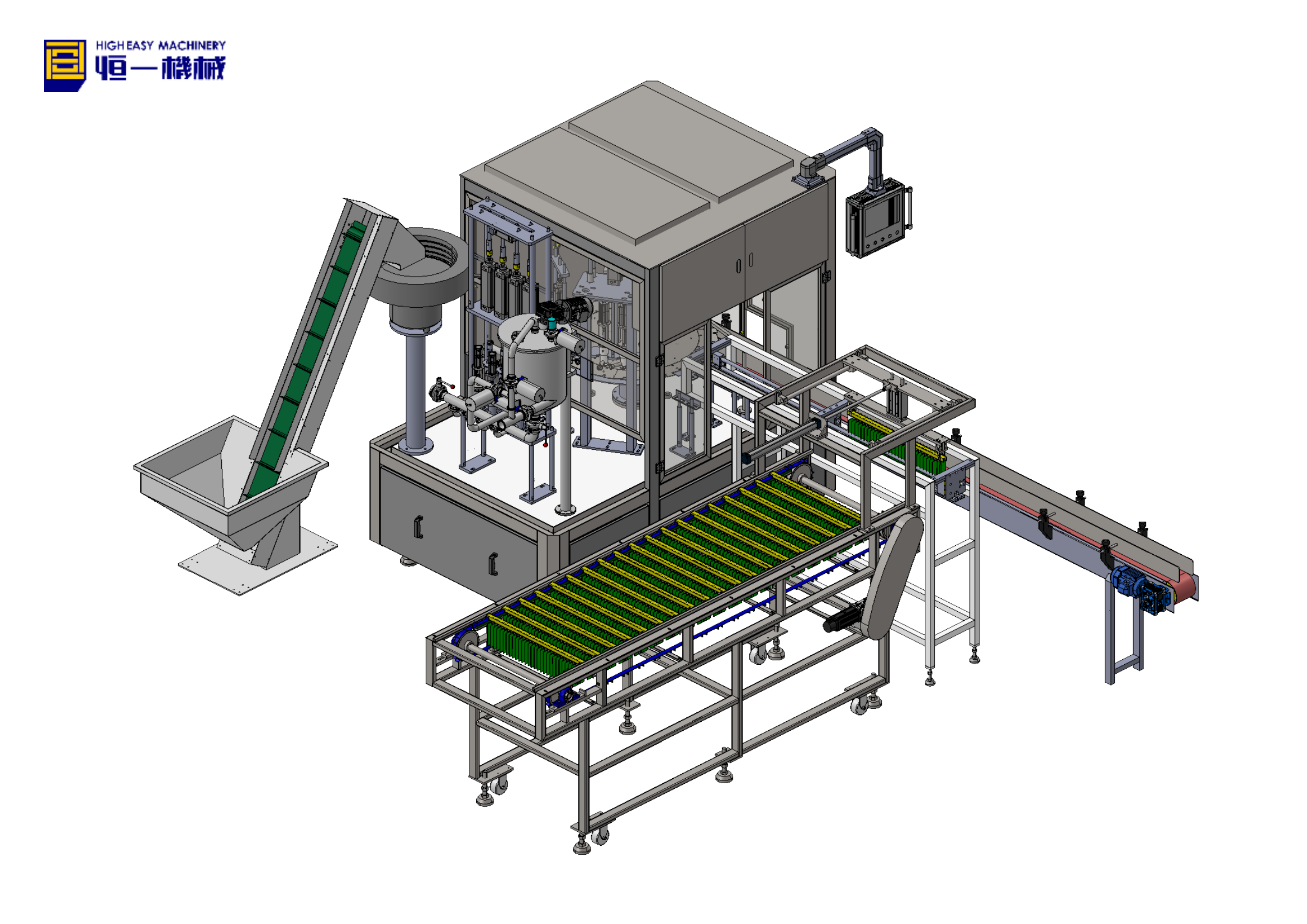
The most remarkable thing is that SPC has reduced torque fluctuation by over 70%. This results in improved performance, even when moving between production shifts or product lots. For maintenance personnel, examining these trends provides the foresight of when equipment requires recalibration, thereby reducing the incidence of unscheduled downtimes that interrupt workflow.
Tamper Proof & Child Resistant Automated Spout Pouch Filling and Capping Machines
Modern automated spout pouch filling and capping machines have integrated systems for child-resistance and tamper-evidence. As the machines fill and seal the pouches, they instantly engage all closed pouch safety features. This includes the application of breakaway bands, proper positioning of tear strips, and activation of the push-and-turn child resistant device. Child resistant safety features use servo motors to sense the pouch material thickness and the exact position of the spout to apply the correct amount of force. Some machines also utilize vision systems to confirm proper alignment. These machines can process and ensure safety features for over 50 pouches per minute. This system alleviates the need to have workers inspect pouches individually and minimizes manipulation of spout pouches, while assuring the safety features engage when they should.
No matter what type of spout configuration you have - including corner setups, top sealers, and even inverted dispensers - no special adjustments of any kind, including no special tools, are required. The adaptability of the end of arm tooling, combined with programmable-servo profile technology, do the trick. When real-time torque and vacuum decay detection are combined with the above, safety issues in packaging are reduced by 32% in 2023 audit reports. Most importantly, everything is compliant globally, including the CFR 1700.20 standard that prevents children from opening packaging, ISO 8317 standards that allow the closure of the packaging after opening, and the ASTM D3475 standard concerning the visibility of a “broken seal” on packages. This compliance allows us to sell the products immediately in North America, Europe, and Asia Pacific without any additional paperwork.
FAQ
What are the main sealing methods used in spout pouch filling and capping machines? The primary sealing methods include heat sealing, impulse sealing, and ultrasonic sealing, and each has unique advantages that make them suitable for specific types of materials.
Why Is Over-sealing a Problem? Over-sealing can be a problem because it can cause spouts to deform, create small cracks, and even weaken the seal, leading to leaks and safety problems.
What standards apply to spout pouch filling and capping machines? The standards that apply include ASTM F2338-22 for vacuum decay testing, 21 CFR Part 117, ISO 11607 (which covers the sterilization of child resistance), and CFR 1700.20.
Table of Contents
- Sealing Method Integrity Threshold Material Compatibility Throughput Speed
- Why Over-Sealing Compromises Safety: Spout Deformation, Micro-Cracks, and Seal Integrity Thresholds
- Torque-Controlled Capping with SPC Monitoring to Ensure Consistent Tamper-Evident Band Activation
- Tamper Proof & Child Resistant Automated Spout Pouch Filling and Capping Machines
- FAQ