
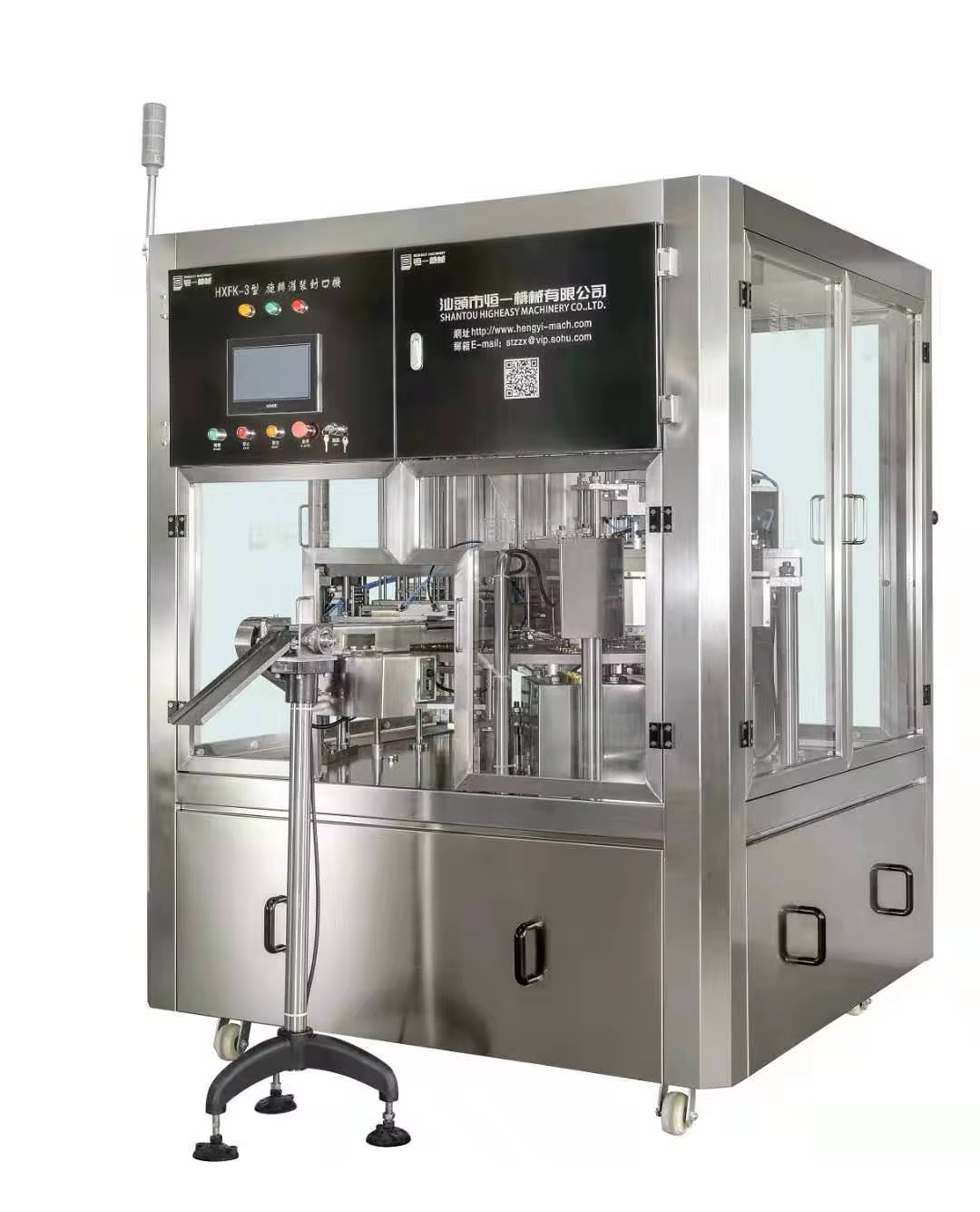
A plant engineer at a dairy cooperative in South Asia was tasked with selecting between two cup filling sealing machine proposals — one pneumatic, one servo-electric — for a new yogurt line. Both met the production speed requirement of 3,600 cups per hour. Both quoted within 15 percent of each other on price. The decision came down to a factor neither specification sheet mentioned: compressed air availability. The facility's aging compressor system already ran at 85 percent capacity, and adding the pneumatic model would require a compressor upgrade costing nearly as much as the machine itself. That hidden infrastructure cost made the electric model the clear choice — but in a facility with spare compressed air capacity, the pneumatic option would have been equally valid.
Actuation Technology Fundamentals
How Pneumatic Systems Operate in Filling and Sealing
A pneumatic cup filling sealing machine uses compressed air to drive filling pistons, sealing head movement, and cup indexing. Solenoid valves controlled by the PLC direct air flow to cylinders that extend and retract in a programmed sequence. The sealing station typically uses a pneumatic cylinder to press the heated platen against the cup rim with controlled force — typically 200 to 400 Newtons depending on cup diameter and film material. Filling pistons driven by air pressure offer inherent compliance, meaning they can accommodate minor variations in product viscosity without mechanical shock to the drive system. The limitation is positional precision — pneumatic cylinders stop at their mechanical endpoints, making mid-stroke positioning less accurate than servo alternatives. For filling applications where the piston travels a fixed distance each cycle and variability of ±2 percent is acceptable, pneumatic actuation remains cost-effective and reliable.
How Electric Servo Systems Deliver Precision
An electric cup filling sealing machine replaces pneumatic cylinders with servo motors driving ball-screw or linear actuators. The PLC sends position commands to servo drives that control motor rotation with encoder feedback providing real-time position verification. This closed-loop control enables filling volume accuracy within ±0.5 percent — the servo can stop the piston at any point in its stroke with sub-millimeter precision. Sealing head force becomes programmable rather than dependent on air pressure regulation, allowing different force profiles for different cup sizes and film types without mechanical adjustments. Multi-axis servo systems can coordinate filling, sealing, and cup indexing with tighter synchronization than pneumatic alternatives, enabling higher throughput on multi-lane machines where timing precision directly affects output consistency. Brands such as Siemens and Festo supply servo drives commonly integrated into higher-tier packaging equipment.
Operational and Economic Comparison
Energy Efficiency and Operating Cost
Pneumatic systems consume compressed air continuously — even when the cup filling sealing machine is idle between production runs, the plant air system maintains pressure, and leaks in fittings and seals represent ongoing energy loss. A typical pneumatic packaging machine consuming 500 liters of compressed air per minute adds approximately 3,000 to 5,000 annually in compressor electricity costs for a single-shift operation. Electric servo systems draw power only during motion, consuming energy proportional to actual work performed. For facilities operating in regions with electricity costs above $0.12 per kilowatt-hour, the energy savings from an electric machine over a 10-year lifespan can offset a significant portion of the higher initial purchase price. Maintenance costs differ correspondingly: pneumatic systems require regular filter changes, lubrication of cylinders, and leak detection on air lines; electric systems primarily require periodic inspection of servo drive cooling fans and bearing lubrication on linear actuators.
Selection Criteria for Different Production Environments
Facilities with existing robust compressed air infrastructure and moderate precision requirements — filling volumes above 100 milliliters where ±2 percent variation represents less than 2 milliliters — often find pneumatic machines the practical choice. Operations requiring high-precision filling below 50 milliliters, such as single-serve creamer cups or pharmaceutical-dose food supplements, benefit from servo-electric precision. Multi-product facilities that change cup sizes and fill volumes frequently favor electric systems because recipe changes download from the PLC rather than requiring mechanical stroke adjustments on pneumatic cylinders. The availability of on-site compressed air expertise also matters — pneumatic systems perform reliably when maintained by personnel familiar with air preparation, filtration, and cylinder maintenance, while electric systems shift the skill requirement toward servo drive troubleshooting and encoder diagnostics.
Frequently Asked Questions
Which system offers better filling accuracy?
Servo-electric systems deliver ±0.5 percent filling accuracy through closed-loop position control that stops the piston at any programmed point. Pneumatic systems typically achieve ±2 percent accuracy, which is sufficient for most beverage applications above 100 milliliters but may be inadequate for small-volume or high-value product filling.
How do maintenance requirements differ between pneumatic and electric?
Pneumatic systems require regular compressed air filter changes, cylinder lubrication, and leak inspection on fittings and hoses. Electric servo systems require less frequent maintenance, primarily cooling fan inspection and bearing lubrication, but demand different technical skills when troubleshooting servo drive faults.
Does the choice affect production speed capability?
Modern servo-electric systems generally achieve higher throughput on multi-lane machines because tighter synchronization between filling, sealing, and indexing motions reduces cycle time. For single-lane machines producing under 4,000 cups per hour, both technologies meet speed requirements equally well.
What infrastructure should buyers evaluate before choosing?
Compressed air capacity is the critical infrastructure factor for pneumatic machines. Calculate the machine's air consumption specification against the facility's available compressor capacity, factoring in existing equipment demand. For electric machines, verify available electrical panel capacity and that the facility's power quality — voltage stability and harmonic levels — meets servo drive requirements.
Which technology has lower total cost of ownership over 10 years?
In regions with electricity costs above $0.12 per kilowatt-hour, servo-electric systems typically deliver lower total cost through energy savings despite higher initial purchase price. In regions with low electricity costs and existing compressed air infrastructure, pneumatic systems may offer better lifetime economics.
Can existing pneumatic machines be retrofitted with electric actuators?
Partial retrofits are feasible — replacing pneumatic filling actuators with servo-electric drives while retaining pneumatic sealing and indexing systems. Full conversion is rarely economical compared to new machine purchase because the control system, wiring, and mechanical interfaces must all be modified. Partial retrofits targeting the highest-precision station deliver the best return on retrofit investment.