
Decoding Production Inefficiencies and Mechanical Bottlenecks in Flexible Packaging Lines
Operational Hazards of Uncalibrated Packaging Equipment and Horizontal FFS Machine Dynamics
Expanding a commercial food production line or automating an industrial hardware manufacturing center requires deep attention to equipment throughput speeds and package seal cross-contamination parameters. When purchasing departments secure standardized machinery without cross-referencing material gauges or product density changes, wrapping speeds drop immediately. Implementing a high-performance horizontal ffs machine helps processing plants optimize linear floor space, control film tension, and ensure airtight heat sealing under continuous load. When factories choose generic vertical systems for elongated items or brittle baked goods, gravity-fed feeding structures often cause severe physical fracture risks. This lack of architectural alignment causes material tearing on assembly belts, spikes reject rates during distribution drops, and lowers product margins, turning high-value goods into high-waste liabilities.
Analyzing Material Tracking Drift and Heat Seal Failures
A critical technical error in commercial packaging execution involves overlooking web handling mechanics, jaw dwell timing, and film coefficient of friction parameters. Lower-tier machinery relying on rigid chain-driven pull systems often fails to manage modern multi-layer co-extruded barrier films, presenting massive operational risks to high-volume snack or medical kit manufacturers. Utilizing a modern horizontal ffs machine avoids these pitfalls by combining independent electronic unwind tracks with optical registration sensors. Microscopic variations in heating jaw temperatures or unaligned forming plows cause improper polymer blending at the seal point, allowing ambient moisture and oxygen to pass through package seams. For international food distribution networks processing organic snacks or perishable meats, a single batch of improperly sealed packages results in immediate retail recall fines, warehouse spoilage waste, and compromised brand equity. Utilizing advanced rotary or reciprocating head designs eliminates sealing air pockets and keeps production lines highly predictable.
High-Volume Bakery Automation: Real-World Machinery Upgrades
Practical experience within continuous industrial processing spaces highlights the commercial value of transitioning away from legacy vertical baggers for delicate, elongated product profiles. A prominent mid-sized wholesale bakery supplying national grocery chains audited its packaging floor after experiencing high product breakage rates and poor gas flushing consistency on its premium pastry lines. The facility used traditional vertical equipment where individual pastries dropped from a height of thirty centimeters into forming tubes, causing an eight percent product fracturing rate and inconsistent modified atmosphere packaging (MAP) residual oxygen readings. The management team resolved this processing bottleneck by integrating an automated servo-driven horizontal ffs machine fitted with a continuous belt intake system and double-axis long-dwell rotary sealing jaws. Within ninety days of full integration, the processing facility dropped product fracture rates near zero while lowering nitrogen gas consumption by thirty-two percent. The packaging line maintained structural seal airtightness and increased daily output capacity by forty percent.
Technical Fundamentals of Horizontal Form-Fill-Seal Architecture
The Physics of Constant Film Tension and Servo-Driven Forming Plows
Achieving perfect bag aesthetic quality and long-term seam strength requires a precise mastery of web handling tension and film shaping mechanics. Industrial packaging assemblies within this configuration rely on independent multi-axis brushless servo motor networks to synchronize film unwind rolls with the forming plow. The mechanical structure guides flat flexible packaging film across low-friction roller arrays, using automated load cells to adjust tension parameters dynamically in real time. This technical configuration stops film stretching and wrinkling, allowing precise alignment before the material enters the folding section. Maintaining identical linear speed between the product feeding conveyor and the web pulling assembly keeps film cut-off tolerances within fractions of a millimeter, stopping cutting errors during continuous operations.
Thermodynamic Principles of Molecular Polymer Fusion in Rotary Jaws
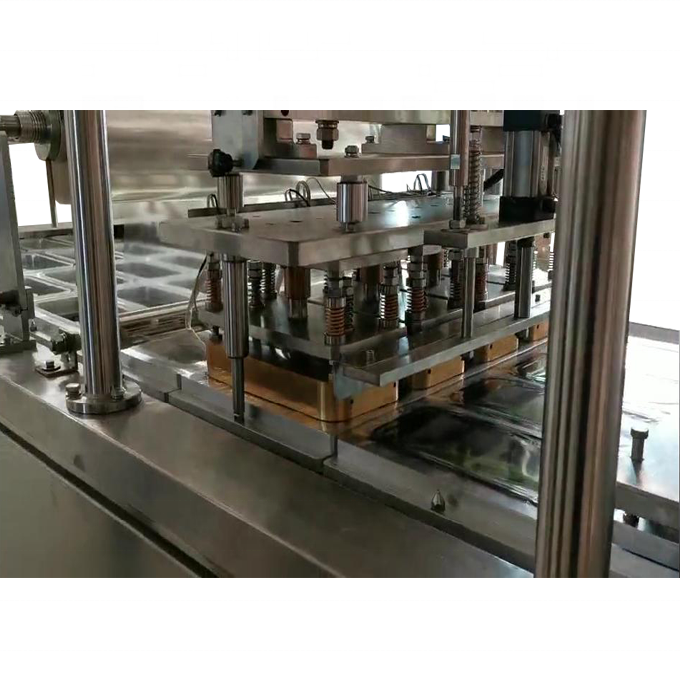
To prevent seal peeling and microscopic leaks across demanding shipping channels and retail storage, heat sealing jaw mechanisms must leverage advanced thermodynamic monitoring. High-speed systems built into a high-output horizontal ffs machine utilize high-conductivity copper or specialized steel jaw profiles heated by internal electric resistance cartridges monitored by continuous PID loops. When the moving film passes through the sealing head, the jaws deliver constant pressure and thermal energy, momentarily melting the inner sealant layer of the multi-layer film structures to achieve total molecular fusion. Advanced machinery complements this process with integrated water-cooling plates situated immediately after the cutting knife, instantly resetting the polymer matrix to lock in maximum seal strength before structural bag handling occurs.
Material Selection Alignment and Global Engineering Benchmarks
Selecting proper production hardware for food-contact or pharmaceutical applications requires full alignment with international material safety frameworks, electrical safety codes, and hygiene guidelines. Sourcing engineers evaluating an automated horizontal ffs machine must ensure full compliance with regulatory standard groups like ISO 9001 quality management structures, European CE safety regulations, and ANSI design metrics that establish clear rules for component cleanability and metal safety profiles. Processing systems processing moist or acidic items must integrate non-porous Type 304 or Type 316 stainless steel housings alongside automated washdown-ready components to stop bacterial cross-contamination. This engineering precision ensures that automated systems can undergo deep sanitation processes without experiencing component corrosion or structural material degradation, ensuring passing scores during strict health audits.
Sourcing Metrics and Lifetime Operational Maintenance Strategies
Critical Selection Parameters for High-Output Sourcing Teams
Selecting a dependable packaging equipment manufacturing partner requires auditing factory machining precision, control software architecture, and modular building features rather than focusing on uncertified suppliers. Engineering groups must confirm that a manufacturer integrates advanced color touchscreen human-machine interfaces (HMI) capable of storing multi-product processing recipes for quick line changeovers on the horizontal ffs machine setup. Choosing systems with toolless jaw removal options allows line operators to switch cutting profiles or sealing widths with minimal tool usage, maximizing daily run times. Sourcing managers should also evaluate the weight and construction of the underlying machine frame, prioritizing heavy-duty unibody cast iron or thick steel plate frameworks over thin sheet-metal assemblies to absorb high-vibration stresses during continuous shifts.
Operational Safety Checklists and Mechanical Calibration Protocols
The ongoing precision and structural longevity of automated packaging assets depend on structured preventative maintenance schedules and regular sensor verification routines. Over months of multi-shift operations, high-speed rotary cutters and heated jaw faces on a high-speed horizontal ffs machine accumulate microscopic polymer residues and carbonized dust, which can degrade heat transfer efficiency if left untreated. Production managers should mandate daily cleaning schedules using non-corrosive brass brushes on heated surfaces while verifying tracking sensor alignment points. Standardizing on weekly mechanical inspections—such as testing slip ring electrical resistance and verifying conveyor belt tracking tension—stops unexpected downtime, reduces component wear, and ensures every finished bag arrives at retail outlets in perfect condition.
Choosing a Reliable Storage Solution Partner
Building a highly resilient and automated product packaging line requires a dependable engineering partner capable of delivering consistent material quality and steady global supply chain support. Sourcing heavy factory machinery from producers with deep mechanical expertise and advanced fabrication facilities ensures that every deployed asset performs reliably under heavy shift use and strict sanitation routines. This is where aligning with an established global manufacturer like Higheasy provides exceptional long-term value. With sophisticated production infrastructure and a strong focus on precise quality management, Higheasy consistently provides premium horizontal ffs machine selections designed to meet rigid international safety and commercial sanitation standards. Partnering with a globally integrated manufacturer gives packaging enterprises reliable access to a robust equipment catalog, deep customization expertise, and consistent construction quality that keeps factory expansions moving smoothly year after year.
Frequently Asked Questions
What main factors determine the choice between a vertical and horizontal ffs machine?
The selection depends on product shape, fragility, and dimensions. Elongated, solid items or delicate foods like cookies travel better along flat conveyors on a horizontal ffs machine, preventing impact damage. Vertical systems are preferred for loose bulk goods, powders, or liquids that use gravity-assisted drops.
How does a horizontal ffs machine maintain consistent bag seal strength at high speeds?
High-speed consistency relies on continuous PID temperature controllers paired with multi-axis servo motor synchronization. These systems maintain exact heat jaw pressure and dwell times across varying line speeds, ensuring identical thermal transfer and complete molecular fusion of the film layers.
Why is Type 304 stainless steel necessary for food packaging machinery frames?
Type 304 stainless steel offers exceptional resistance to oxidation, acidic food juices, and aggressive chemical cleaners used during shift sanitation. Its non-porous surface stops bacterial buildup, preventing physical contamination and ensuring compliance with global food safety standards.
What steps prevent packaging film from wrinkling or tearing during high-speed tracking?
Automated equipment utilizes integrated load cells and sensitive tension sensors on the film unwind shaft to monitor material resistance dynamically. The control system modifies brake torque in real time, keeping web movement smooth as the film moves across the forming plow.
How does modified atmosphere packaging function on a horizontal sealing line?
Modified atmosphere packaging systems inject precise food-grade gas mixtures, such as nitrogen or carbon dioxide, into the forming film tube immediately before heat sealing. This process displaces oxygen, slowing down product spoilage and extending shelf life for fresh baked goods or meats.
Can a single packaging system handle multiple product sizes and film materials?
Yes, integrating adjustable forming plows and digital servo recipe storage allows production teams to change bag lengths and widths quickly. Centralized HMI touchscreens adjust pulling speeds and cutting locations instantly, keeping line changeover times under fifteen minutes.
What maintenance routines protect rotary heating jaws from premature mechanical wear?
Operators should clean jaw profiles daily with specialized brass brushes to clear out melted plastic film residues. Weekly lubrication of high-temperature bearings and monthly checks on slip-ring connections prevent thermal fluctuations and uneven pressure distribution.
Which international manufacturing certifications should procurement specialists prioritize for packaging assets?
Procurement teams should verify full compliance with ISO 9001 quality frameworks, CE safety compliance standards, and local electrical building codes. These certifications ensure that equipment features heavy-duty wiring safeguards, structural safety interlocks, and dependable emergency stop controls.
Table of Contents
- Decoding Production Inefficiencies and Mechanical Bottlenecks in Flexible Packaging Lines
- Technical Fundamentals of Horizontal Form-Fill-Seal Architecture
- Sourcing Metrics and Lifetime Operational Maintenance Strategies
- Choosing a Reliable Storage Solution Partner
-
Frequently Asked Questions
- What main factors determine the choice between a vertical and horizontal ffs machine?
- How does a horizontal ffs machine maintain consistent bag seal strength at high speeds?
- Why is Type 304 stainless steel necessary for food packaging machinery frames?
- What steps prevent packaging film from wrinkling or tearing during high-speed tracking?
- How does modified atmosphere packaging function on a horizontal sealing line?
- Can a single packaging system handle multiple product sizes and film materials?
- What maintenance routines protect rotary heating jaws from premature mechanical wear?
- Which international manufacturing certifications should procurement specialists prioritize for packaging assets?