
Understanding the Versatility of Horizontal Packaging Systems
The Anatomy of Horizontal Form Fill Seal Technology
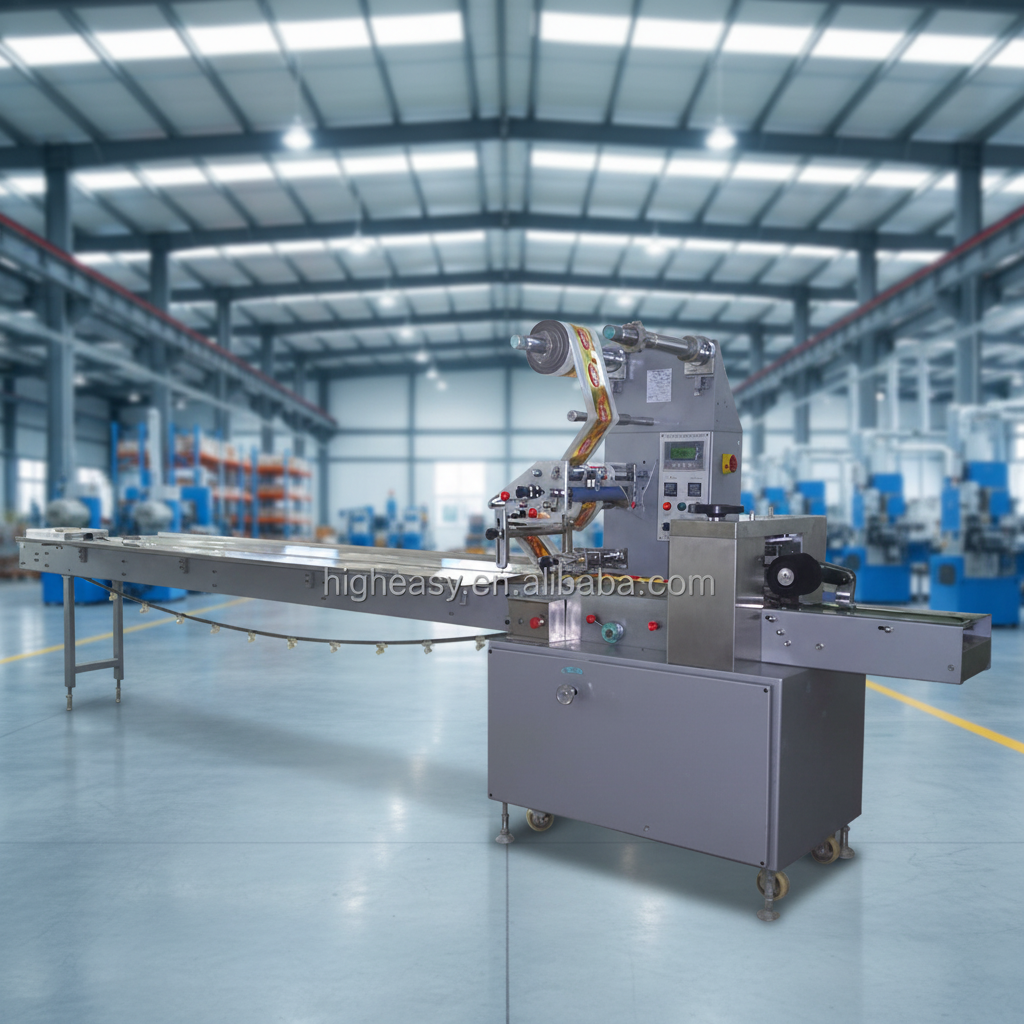
Horizontal form fill seal systems have fundamentally changed how modern production lines handle flexible packaging materials. Unlike their vertical counterparts that rely on gravity to drop goods into pouches, these specialized systems guide products along a continuous horizontal plane. This precise engineering ensures that items remain stable throughout the entire wrapping cycle, minimizing product damage and ensuring a pristine final presentation. From a technical standpoint, the machinery unrolls a single sheet of flat film, shapes it into a protective tube, seals the bottom and sides, inserts the item smoothly, and completes the final top seal. This smooth, synchronized motion makes it an invaluable asset for operations looking to scale up their production while maintaining exceptional package aesthetics across various product lines. The horizontal alignment allows for seamless synchronization with automated upstream feeding systems, making it highly preferred for delicate or structural goods that cannot tolerate sudden impacts or drops during intermediate processing stages.
Identifying Ideal Product Categories for Horizontal Processing
Solid and Uniform Goods Requiring Steady Placement
When assessing which items thrive in a horizontal form fill seal environment, solid, single-item goods with uniform dimensions stand out as prime candidates. Items such as bakery treats, individual snack bars, confectionery goods, and even solid household supplies like bar soaps are perfectly suited for this style of wrapping. Because the feeding conveyor supports the item at every stage, products that are fragile or prone to breaking under sudden impact remain fully protected. The continuous horizontal motion prevents internal shifting, which is a common issue when delicate items are dropped vertically. This makes the system highly dependable for keeping presentation flawless, which directly enhances shelf appeal and boosts consumer confidence in the retail market. Furthermore, products with consistent geometry allow the sealing jaws to operate with maximum precision, creating a clean finish that avoids loose material or unsightly wrinkles.
Advanced Material Compatibility and Preservation Benefits
Multi Piece Configuration and Tray Based Items
Beyond individual items, horizontal form fill seal machines excel at handling bundled products or goods arranged neatly in plastic trays. Think of multiple biscuits lined up together, pre-arranged sets of medical hardware, or sophisticated electronic accessories. Trying to wrap these configurations using alternative methods often leads to misalignment or messy seals. Horizontal handling solves this by allowing workers or automated loaders to arrange the parts perfectly on a flat intake conveyor before they enter the forming film. This level of control ensures the film wraps snugly around the entire configuration without disrupting the internal layout, providing a tight, clean, and highly secure finish that keeps multi-piece products organized during transport. The flat horizontal feed bed is naturally compatible with diverse sorting mechanisms, ensuring complex product assortments remain firmly in place throughout the high-speed sealing process.
Strategic Commercial Value and Operational Continuity
Pre formed Component Alignment and Long Shelf Life Applications
Integrating a horizontal form fill seal setup provides deep operational value by matching structural package integrity with reliable gas flush capabilities. For items sensitive to moisture or ambient air, such as gourmet cheeses or sliced meats, maintaining a controlled atmosphere inside the pouch is absolutely essential. These systems smoothly integrate modified atmosphere packaging tools directly into the sealing zone. Because the film forming process happens horizontally, air displacement occurs predictably, allowing protective gases to displace oxygen evenly before the final hermetic cut. Industry data indicates that this precise sealing method drastically reduces leak rates compared to standard wrapping configurations, safeguarding product quality and preventing premature spoilage without requiring costly secondary sealing procedures. This systematic gas integration protects fragile biological profiles and flavor integrity, proving essential for premium consumer goods.
Optimizing Supply Chain Integration with Flexible Automation
Material Flexibility and Film Optimization
Modern flexible packaging demands compatibility with a wide variety of film substrates, from traditional laminates to modern recyclable co-extrusions. Horizontal form fill seal machinery handles these diverse film tensions with incredible ease, preventing wrinkles and seal failures caused by inconsistent material thickness. The horizontal layout provides ample physical space to install advanced tension controls, static eliminators, and precision heating elements along the web path. This technical adaptability means production lines can transition between different film types with minimal friction, supporting sustainability goals without sacrificing the strength or clarity of the protective barrier. This versatility ensures long-term operational resilience as market regulations and consumer preferences continue to evolve, allowing businesses to adapt dynamically to green initiatives and evolving carbon standards.
Technical Support and Frequently Asked Questions
Common Inquiries Regarding Horizontal Form Fill Seal Machinery
Determining the right wrapping setup involves evaluating specific product dimensions, film characteristics, and throughput goals. Industry experts note that selecting the correct horizontal mechanism depends heavily on product rigidity and handling limits. For global supply chains, partnering with an experienced manufacturer like HEM ensures access to robust machinery built on advanced manufacturing standards and deeply integrated component supply networks. HEM provides top-tier engineering support to optimize wrapping setups for diverse international markets, bringing exceptional technical depth and global distribution capabilities to modern flexible packaging initiatives.
Frequently Asked Questions:
Which film materials work best with a horizontal form fill seal machine? Most systems handle heat-sealable laminated films, polyethylene, and eco-friendly barrier films effortlessly.
Can this machinery wrap products of varying lengths? Yes, advanced configurations use sensor-driven registration to adjust cutoff lengths automatically based on the actual product size.
How does horizontal packaging prevent product damage? Products move horizontally along a supportive conveyor instead of dropping by gravity, eliminating impact shock completely.
Table of Contents
- Understanding the Versatility of Horizontal Packaging Systems
- Identifying Ideal Product Categories for Horizontal Processing
- Advanced Material Compatibility and Preservation Benefits
- Strategic Commercial Value and Operational Continuity
- Optimizing Supply Chain Integration with Flexible Automation
- Technical Support and Frequently Asked Questions