
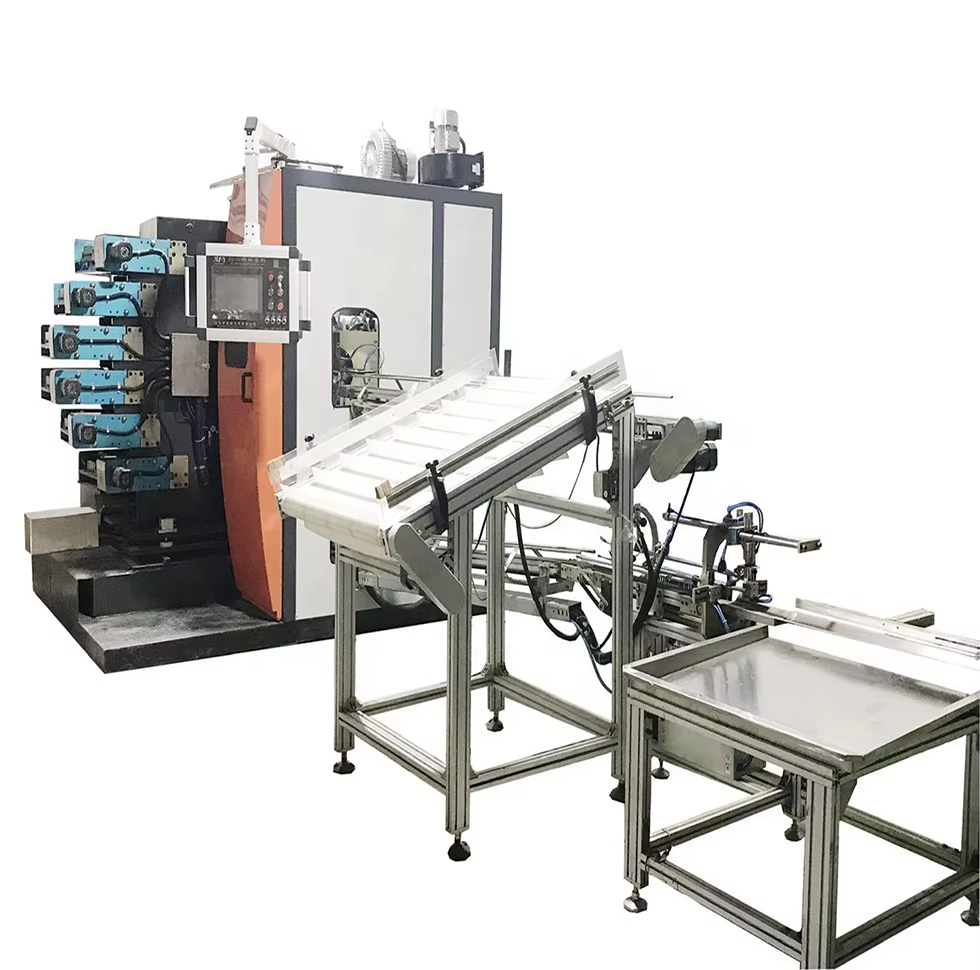
Principles of Thermal and Mechanical Sealing for Uniform Joint Integrity
The sealing process in premade pouch fillings is a combination of pressure and heat. Heat bars just melt the layer of thermoplastic sealant, and the pressure ensures that the surfaces touch. The time under heat dictates how deep the surfaces fuse. A proper combination of the right factors eliminates the micro-channels that would otherwise cause leakage and seal the pouch. Factory tests show that with manual tuning, the settings can reduce seal failures by two thirds. The right temperature plays a significant role. Polyethylene seals well at a temperature of 150-180 degrees celsius, but for the polyester laminate, higher temperatures of 200-230 degrees are needed. The consistent heat distribution in the sealing area is crucial. If there is uneven heat, there are weak spots that can compromise the entire seal.
Why Sealing Consistency and Precision Are Essential for Airtightness
Maintaining airtight packaging is dependent on the ability to produce the seals with the same precision every time at the micrometer scale. If the temperature varies more than 2 degrees Celsius, or if even a 0.1 second time error occurs, the sealing process allows oxygen to enter, compromising the shelf life of the packaged food and medicine. Sealing temperature and pressure need to be tightly controlled, within a range of 40 to 60 psi, so that the layers of the seals fuse together consistently when producing thousands of pouches each day. Fully automated sealing machines greatly increase the repeatability of sealing processes to a rate of about 99.8%, which is a vast improvement over the 85% repeatability rate of sealers operated by people. Additionally, the automation of the sealing processes eliminates the poor quality control seals that cause spoiled product, product recalls, and non-compliance with regulatory requirements. If companies don’t maintain high levels of sealing process control, recent industry studies have documented that leakage rates increase four times.
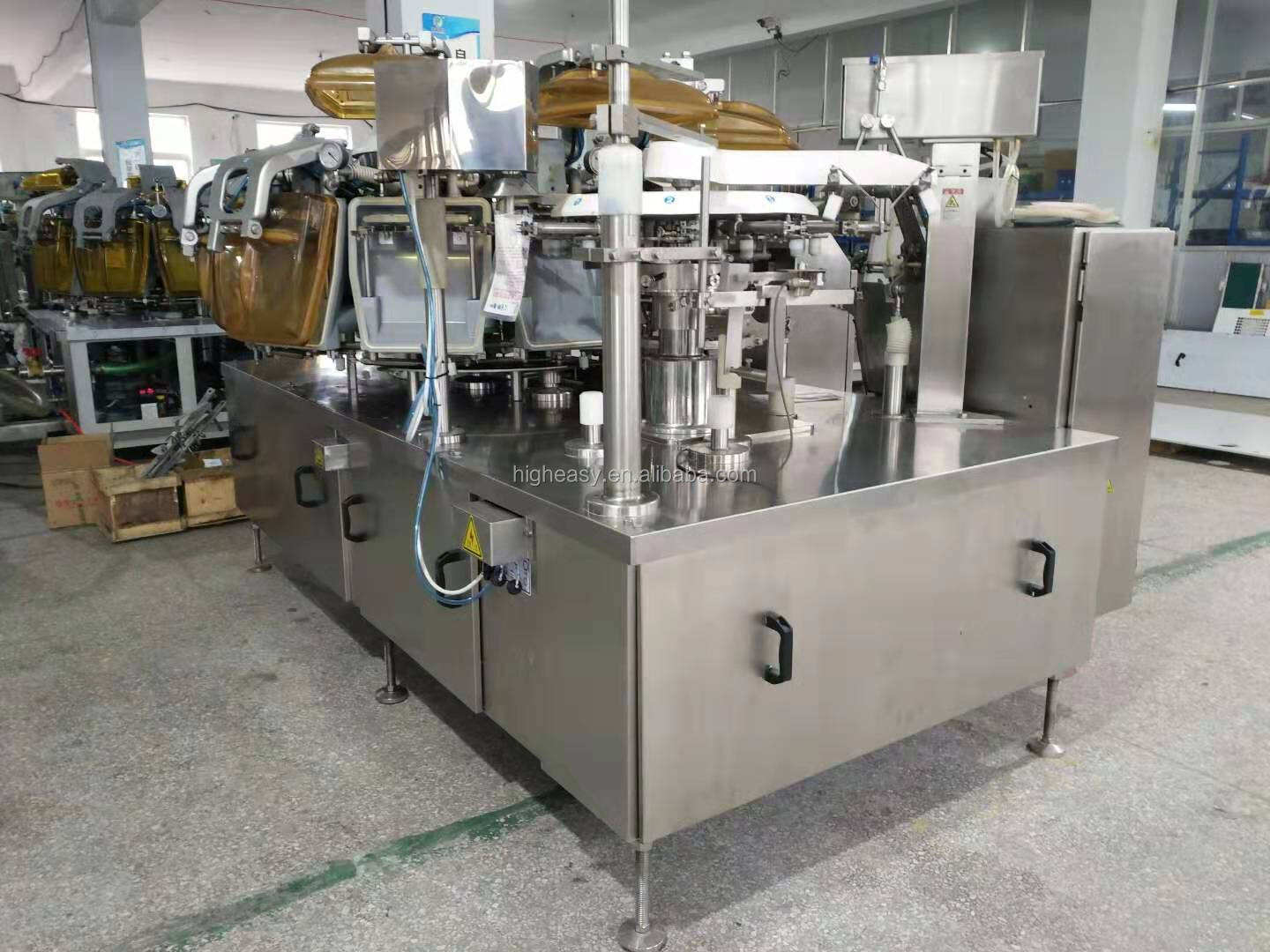
Adjustments Made for Accuracy when Hot Seal Bars are Used: Heat, Pressure, and Time
Temperature Consistency and Optimizing Heat for Different Materials
For high-quality seal joints to form, it is essential that the temperature of the seal bar is set evenly throughout the entire bar surface to within half a degree Celsius. Seal temperatures that differ by more than 5 degrees Celsius can result in a strength reduction of up to 30 percent. Different sealable materials require very specific temperature settings. For example, the optimum sealing temperature for polypropylene is 160-180 degrees Celsius, and for polyester laminates, it is 130-150 degrees Celsius. If sealable materials are sealed at temperatures and contact times that exceed these settings, the materials can be damaged, creating microscopic air pockets that create weakness in the seal. Most setups without deforming bonding layers require contact times of 0.8- 1.5 seconds. Packaging performance studies indicate that seal leakage increases 22% if the sealing time is varied by 0.2 seconds.
How Pressure Calibration Affects the Strength of Seals and Their Resistance to Leaks
There are three different ways that pressure impacts dependability of seals:
1. Pressure of 3 to 4 bars ensures that all layers of a seal make contact, meaning that under 2 bars, the seal will not fuse completely, increasing the number of potential leak points by 45%.
2. Imaging studies of sealants to study their structural integrity shows that there are complete seals above 5 bars, and a compressive sealant of 28%.
3. Leak testing shows that a 3.5-bar system will leak 72% less compared to systems that are not calibrated.
From a pressure control standpoint, precision load cells provide closed-loop control while considering wear and mechanical shifts that may present 15% of mechanical control for over 10,000 cycles. This is key to maintaining closed contact and seal integrity, even with material thickness variations.Defining the Steps in the Process that Improve the Tightness of the Seals
Removing Air Before Sealing
Deflation in the vacuum system helps in removing the air pockets in the layers of pouch materials created due to sealing. It helps in the perfect alignment of pouch edges before the sealing. This ensures that there is no air pocket created within the seal. The deflation system is reported to have 40% less seal failure compared to standard sealing systems. Presence of air pockets in the sealed compartments creates weaknesses in the seals. This is especially important when the sealed pouches are subject to storage and transport.
Controlled Cooling for Stress-Relieved, Dimensionally Stable Seals
Post-sealing cool-downs, rather cool-downs that are integrated into the sealing of a package, lock in molecular bonds without the risk of thermal shock. Rapid cool-downs cause brittle fracture. Properly controlled slow cool downs minimize contraction, warping and wars on closure Internally Installed Stress. Obtaining closure that is dimensionally stable: Closure that does not change in width, closure that is not subject to flex cracking during transport. Most machines do this with a system of timed ambient air flow, or rely on a few pieces of metal that are cooled and placed in a controlled position. Studies show that manufacturers have a measurable and repeatable ability to manipulate the cooling cycles to increase the tensile strength of seals by 25%. If this is true, and consistent with ASTM F88, this is particularly important in cartoning and packaging rigid and/or abrasive materials.
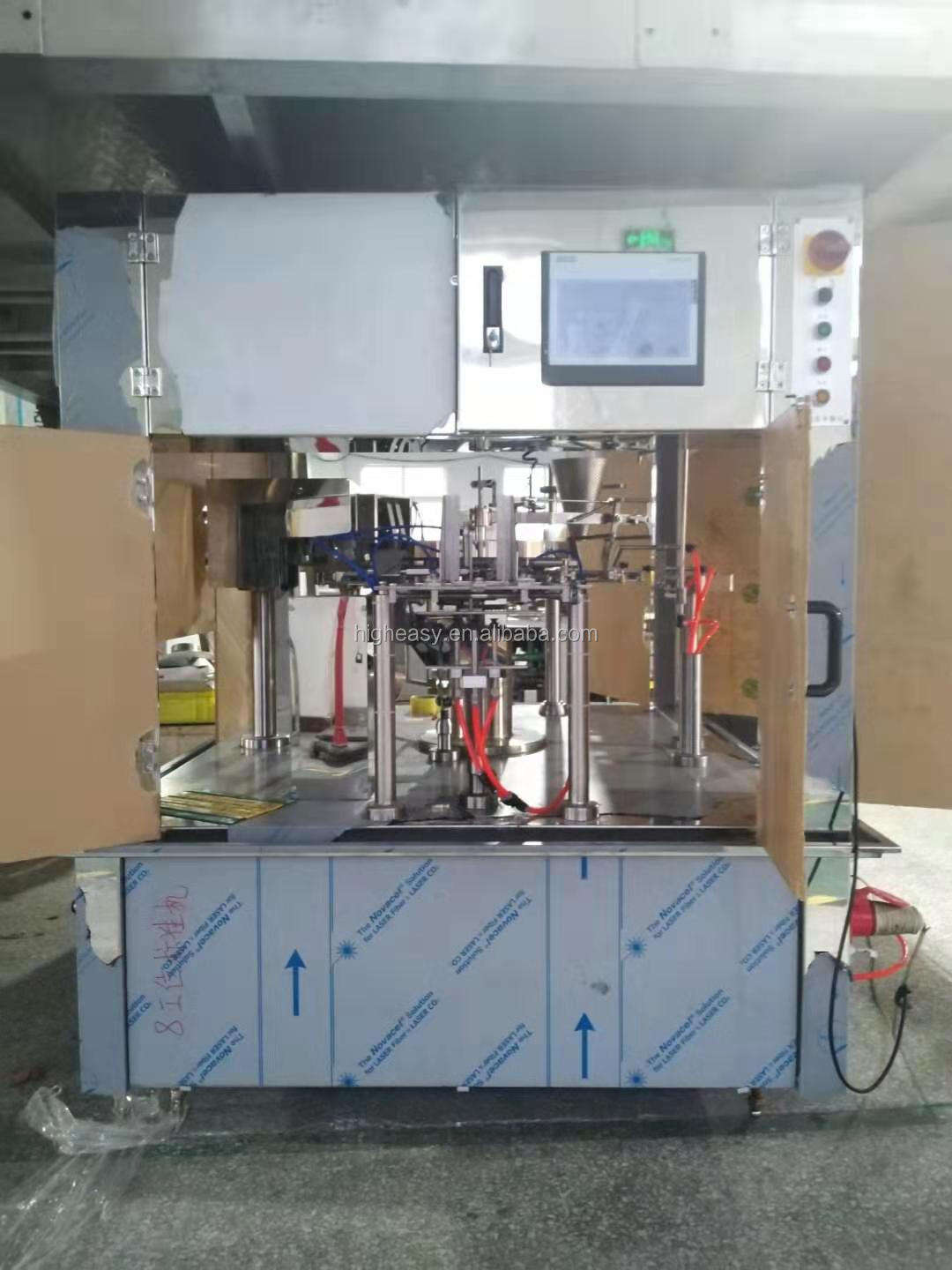
Testing Seal Tightness: Standard Testing Procedures vs Real World Experience
ASTM F2338-22 Testing Vacuum Decay and Burst Test Results From Beverage Packaging Lines
When testing seal integrity, most industries utilize ASTM F2338-22. This test identifies leaks as small as 5 microns. Leaks in carbonated beverages are problematic as escaping CO2 means the drink is potentially unsafe. Another method to test seals is burst testing, where air is pumped into sealed containers until one of them bursts. Juice companies have been doing it for years, and when they get the thermal sealing process just right, they find that the burst test resistance exceeds 35 psi, which is better than the general expectation of the resistence of sealed containers under shelf conditions. Testing is ultimately economical because it is relevant in preventing weak seals in products that could be sold to the public, and it keeps the regulators happy and customers' pockets full.
FAQ
Why are pressure and heat important in premade pouch sealing?
When heat and pressure are applied, they cause the thermoplastic sealant to melt and bring surfaces into contact for proper sealing, leak prevention, and securing a good, tight, strong bond.
How does sealing precision maintain the shelf life of the products?
Sealing precision maintains the shelf life of the food products and pharmaceuticals by sealing out air and maintaining the vacuum condition in the packages.
Why does the seal bar require uniform heat?
Seals require uniform heat to consolidate and form strong seals, and if not, weak and insufficient seals will allow products to leak.
What is the role of vacuum deflation and controlled cooling in sealing?
When vacuum deflation and controlled cooling are combined, they ensure no air is trapped and no leaks will occur, as cooling stabilizes the seal by minimizing thermal gradients and maintaining the seal's dimensions and strength.
Table of Contents
- Principles of Thermal and Mechanical Sealing for Uniform Joint Integrity
- Why Sealing Consistency and Precision Are Essential for Airtightness
- Adjustments Made for Accuracy when Hot Seal Bars are Used: Heat, Pressure, and Time
- There are three different ways that pressure impacts dependability of seals:
- Testing Seal Tightness: Standard Testing Procedures vs Real World Experience
- FAQ