
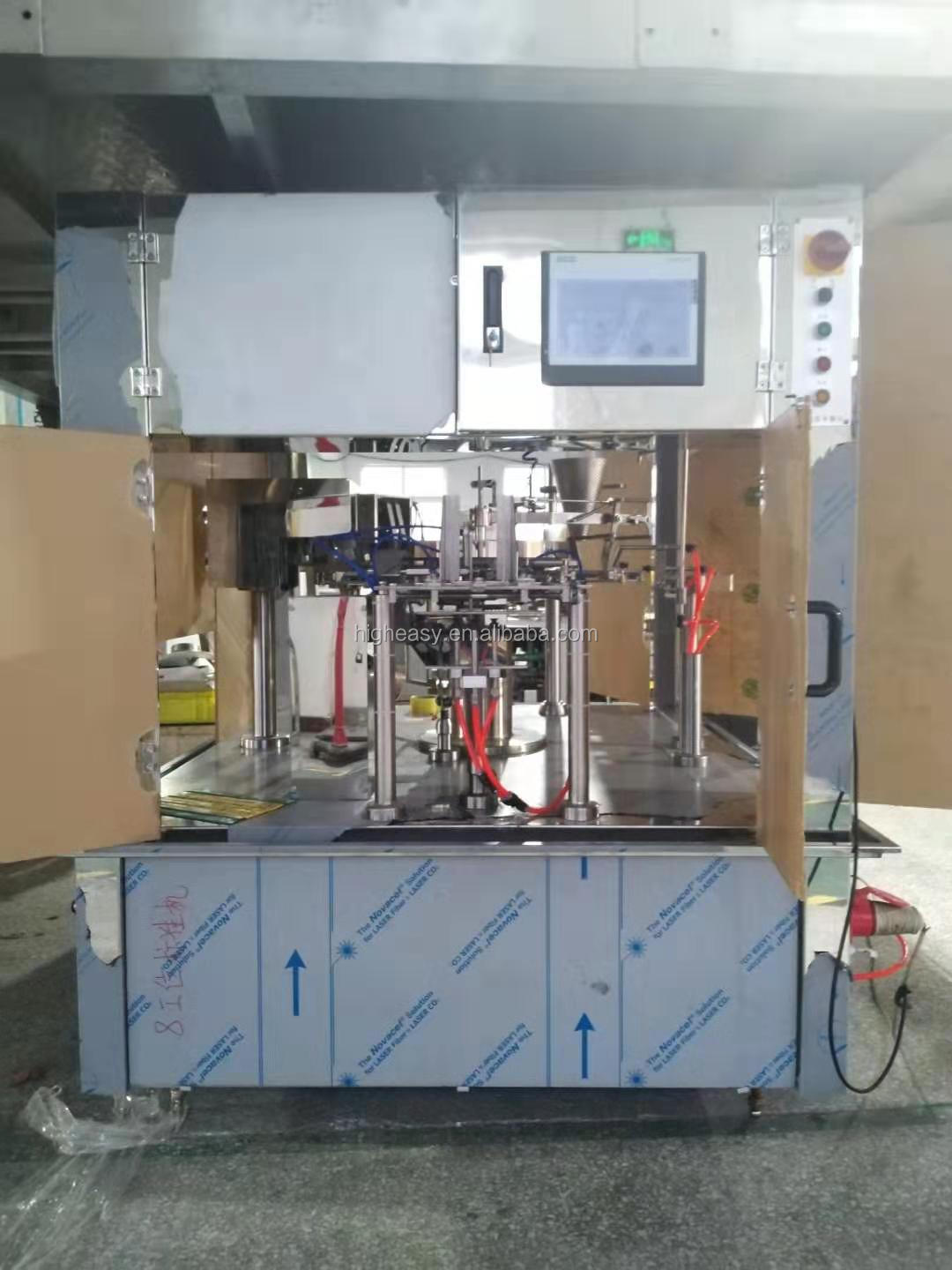
Filling Accuracy and Consistency: Ensuring Product Integrity
Weight and Volume Tolerance Control (±0.5% Target) for Premade Pouch Filling Sealing Machine Outputs
When it comes to premade pouch filling, it is essential to keep the filling accuracy within the tolerable margin of error (±0.5%). Why? Because it protects the quality of the item, satisfies the filling level requirements of regulations, and helps to stay within budget for the cost of filling pouches. Correcting the filling level means avoiding poor overfilling, which would waste product, and underfilled packages would cause potential legal and international standard violations (FDA's 21 CFR Part 11 regulations and the EU's 76/211/EEC directive on net contents). The higher quality filling systems have better mechanisms to correct the issues over the course of the filling process through the combination of load cell feedback and flow meter feedback. Some manufacturers of filling machines state their machines achieve around 99% to 99.5% accuracy, filling pouches, even with various types of viscous materials. With the filling machines, the filling process is repetitive and continuous. With the filling machines, if the pouches pack filling materials, the materials of which the density is changing, the speed of the filling machines will be 120 pouches per minute. The combination of flow meter feedback and load cell feedback will reduce product donation of excess product by 3% to 5% which impacts the bottom line positively and helps achieve the sustainability goals.
Drift Issues in Calibration Stability of Gravimetric vs Volumetric Filling Systems
Volumetric systems can lose calibration because of drift issues and temperature changes that affect the viscosity of the liquid being filled and can cause variations of plus or minus 2 to 3 percent. In contrast, gravimetric systems have memory and drift compensation for better calibration and are better able to stay centered within 0.5 percent of the target. They do this with continuous in-motion measuring. The difference maker is smart compensatory algorithms to fix chronic problems with part wear, plus adaptive controllers to air-stream shifts in pressure and humidity. These units have self tare functions and are capable of smooth transitions between different product fills. In volumetric systems, an operator is required to adjust the filling system settings for calibration checks every 4 hours which means 3 times to every 1 time for adjustments on gravimetric systems and their 12 hour intervals. This frequent maintenance is the cause of approximately 15 to 20 percent more unexpected downtime for older-style systems. Many of the newer systems are hybrid volumetric-gravimetric systems which is a volumetric system with gravimetric measuring.
These methods still allow 0.8 percent of inaccuracies while moving through materials faster. They work the best with water-based products which don't thicken easily.
Seal Integrity and Package Safety: Critical for Shelf Life and Compliance
Apart from the surface, the robust seal integrity is just as important as the surface of the seal because together they regulate shelf life, the safety of the consumer, and compliance with the consumer protection modules of the food safety European Regulations ISO 22000 and FDA 21 CFR Part 117. Seal failures result in a shelf life decrease of 80 percent, according to the analyses of the industry. This is why the validation and real-time monitoring of the functions of a machine are prerequisites to modern food packaging.
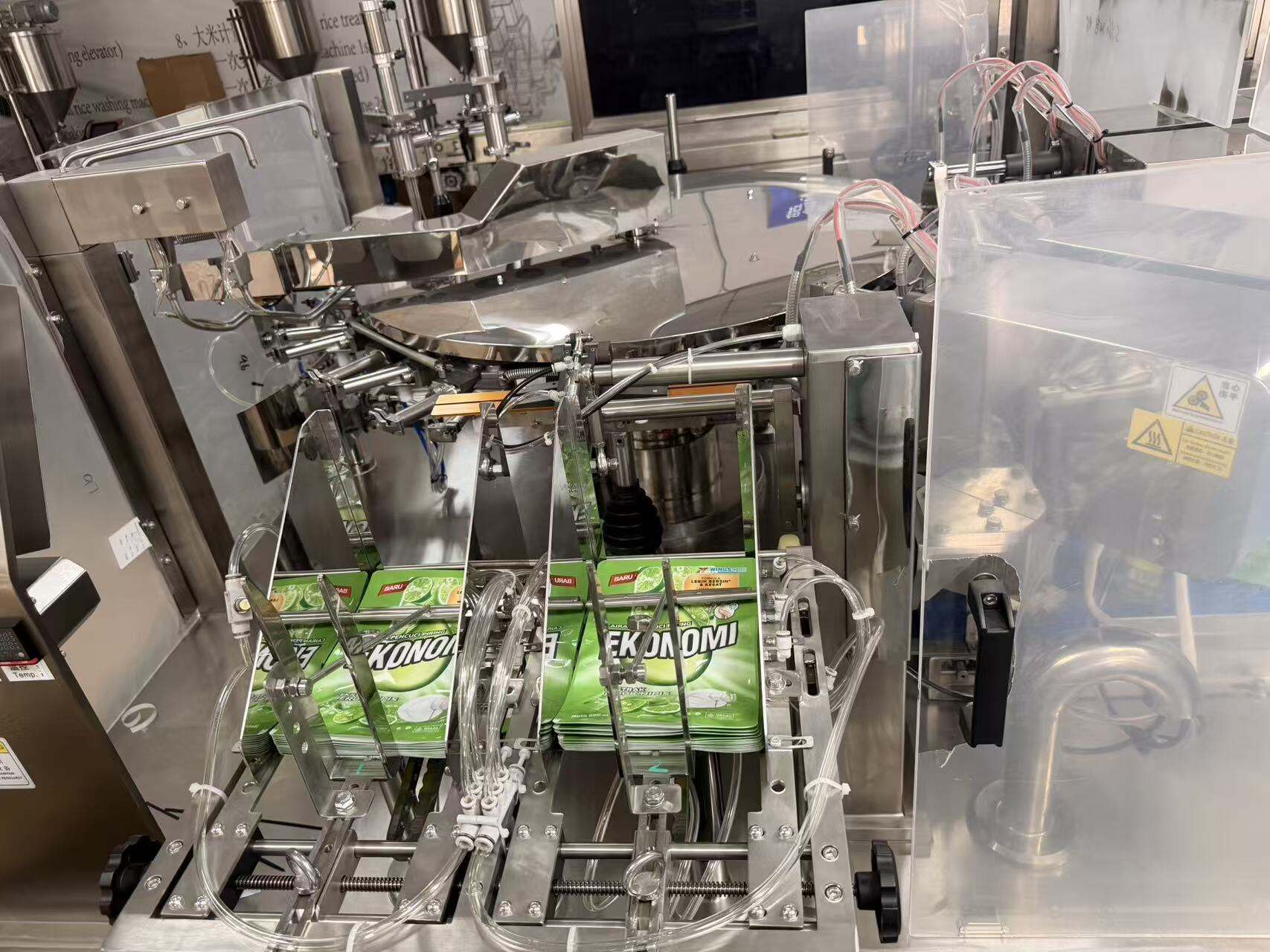
Quantitative Seal Strength Testing (N/15mm) Aligned With ASTM F88 For Premade Pouch Filling Sealing Machine Validation
The ASTM F88 peel test provides an actual measurement of the strength of the seals in terms of Newtons over 15mm widths. It is recognized worldwide as a measure of validation for flexible packaging. Most industries have a minimum requirement of 23 Newtons for 15mm for food packaging pouches to meet safety standards. This test is highly effective because it eliminates problems before mass production begins. Problems such as leaks, particulates in the seal area, incomplete or improper seal formations, and edges that are sealed too loosely. Early detection of these problems is essential. It saves manufacturers the expense of mass production recalls.
Optimizing Heat-Sealing Parameters: Temperature, Pressure & Dwell Time Interdependence
For optimal heat sealing, the following three parameters must be under precise synchronized control:
- Temperature: 120-180°C with a tolerance of only ± 3°C.
- Pressure: 0.2-0.4 MPa (needs to be uniform across the sealing bar).
- Dwell Time: This should be set at 0.5-3.0 seconds, depending on the thickness & composition of the material.
A deviation of more than ±3°C or 10% pressure increase on sealing can increase the risk of ‘peel failure’ by 40%. Modern sealing machines use real time thermal mapping, closed loop pressure systems and adaptive dwell logic (during pouch transitions) to optimize the sealing & ensure that the pressure is maintained on closed pouches, even at the highest speeds.
Production Throughput and Cycle Efficiency: Maximizing Uptime and Output
Cycle time falls under four categories: Indexing, Filling, Sealing, and Ejection (6–12 sec/cycle)
The entire process of producing one pouch includes indexing, filling, sealing, and ejection. With strong cycle time in focus, each time a pouch goes through this process, there is a corresponding increase in production. With a cycle time of only 12 seconds, production can increase by 15 to 20 percent. Cutting edge equipment captures each of the main steps of pouch production (indexing, filling, sealing, and ejection) in 12 seconds and 6 seconds thanks to top notch servos that keep things in operation and synchronized. Modern volumetric fill systems, engaging flow control valves stay within 0.5% of variance at high levels of speed. Additionally, smart seal systems automatically alter pressure during the sealing procedure for sealing to be optimal for the type of pouch that is being sealed. There is a dramatic increase in productivity to be gained by minimizing time wasting on the set up and ejection process. Operators must strike a balance, maximizing speed in a zone that does not compromise product integrity, resulting in weak seals with the potential to create future problems.
Overall Equipment Effectiveness (OEE): The Unified KPI for Performance Evaluation of Premade Pouch Filling Sealing Machines
OEE Breakdown—Availability (≥92%) Performance (≥85%) Quality (≥99.2%)—Benchmarked for Premade Pouch Filling Sealing Machines
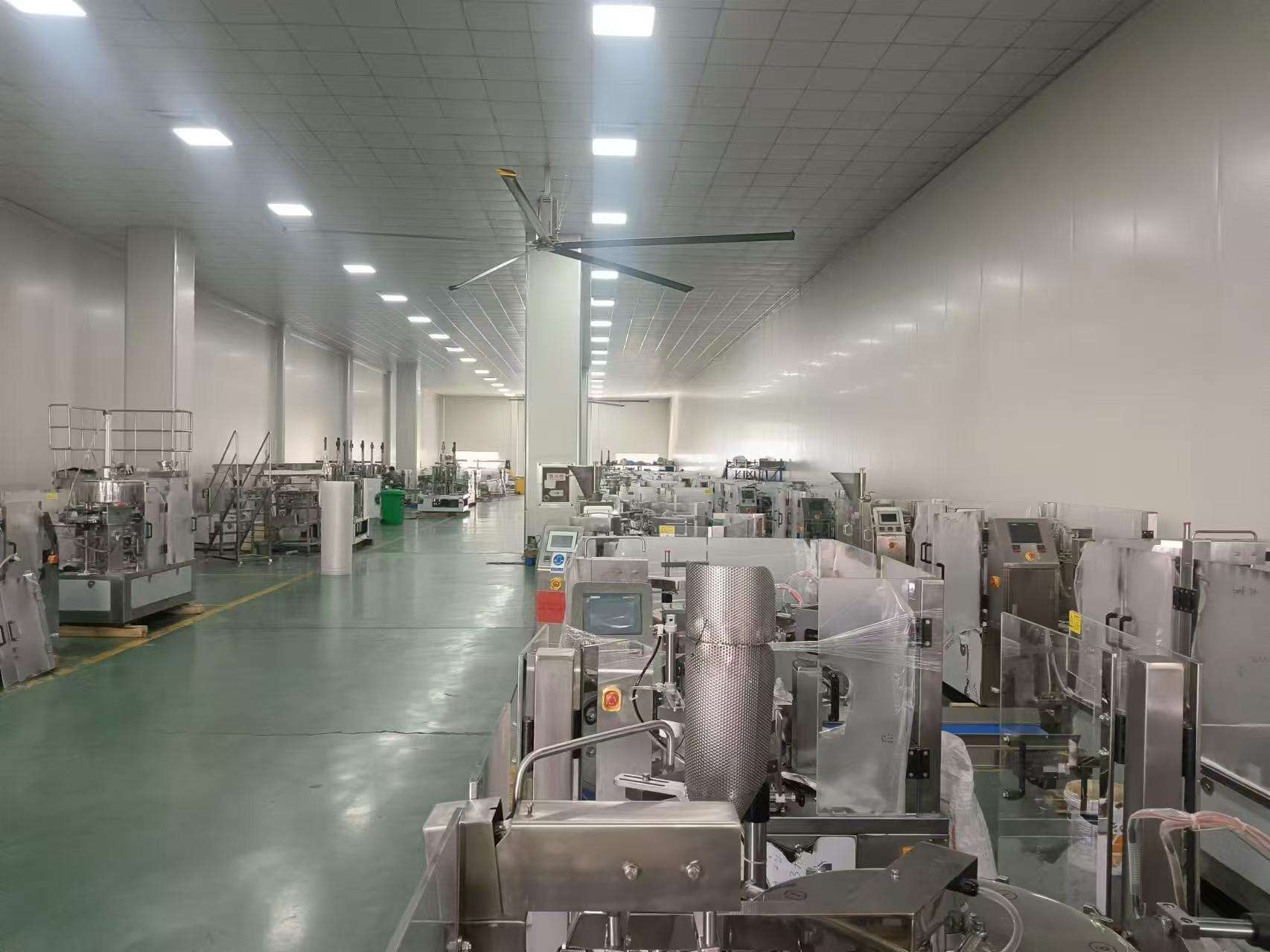
Overall Equipment Effectiveness (OEE) integrates and assesses availability, performance, and quality for premade pouch filling sealing machine (MFPS) operations. Top-tier machines have:
Availability ≥92% due to advanced, predictive error detection and modular construction, designed for tool-less, quick changeovers
Performance ≥85% due to superior vibration dampening on servo motion and real-time optimized speed
Quality ≥99.2% due to inline vision inspections and ultrasonic leak detectors that remove defective pouches before packaging
OEE Component Industry Standard Principal Benefit
Availability ≥92% Up to 40% changeover time due to tool-less, quick adjustments
Performance ≥85% Seal failures due to vibration are avoided
Quality ≥99.2% Material waste is minimized by removing defective pinhole leaks to pre-mount packaging
Manufacturers who achieve ≥90% OEE experience 15% higher throughput than standard models and achieve ISO 22000, BRCGS, and SQF certifications without additional effort.
Operational Flexibility and Changeover Efficiency: Enabling Agile Production
In today\'s rapidly evolving packaging industry, having the ability to adapt operations quickly provides companies with a key competitive advantage. Efficient format changeover capabilities allow machines to remain offline for shorter periods. This provides manufacturers the ability to manage small production runs, seasonal products, and custom requests without compromising speed or quality. The SMED technique will help achieve this. Employees do not have to wait to stop a machine. While the equipment is still running, they can do things such as aligning seal bars, or changing filler nozzles. Companies that implement these practices have reported a reduction in changeover times by 30-50%. This results in significant annual reductions in labor, energy costs, and lost production. The benefit of interchangeable equipment with software that can set different pouch styles is that it provides significant flexibility to manufacturers of pre-made pouches. This flexibility makes it easy to shift production demands from upright pouches with handles to flat, bottom, and expandable gusseted pouches.
A possible benefit is having less money tied up in stock and improved reaction times to fluctuations in the market.
FAQ Section
What advantages do gravimetric filling systems have over volumetric filling systems?
Gravimetric systems drift less over time and have been designed to automatically correct the drift on their own. Volumetric systems lose their drift calibration in under 4 hours.
In what ways does seal integrity impact shelf life and compliance?
Seal integrity can decrease shelf life and compliance by up to 80%, therefore validation and monitoring are processes that are vital.
What does cycle time analysis do to enhance production?
Enhanced cycle time analysis can yield greater production efficiency by as much as 15 to 20% when obtained through improved mechanical coordination and time optimizations.
In pouch filling machines, how do you determine Overall Equipment Effectiveness (OEE)?
OEE = (availability x performance x quality) of the machine. If the OEE is high that means OEE = < less downtime, consistent operating speeds, and less materials wasted. All of the above result in optimum throughput.
What does operational flexibility with changeover efficiency mean?
Operational flexibility can mean less downtime and quicker transitions leading to less use of labor and reduced energy costs.
Table of Contents
- Weight and Volume Tolerance Control (±0.5% Target) for Premade Pouch Filling Sealing Machine Outputs
- Seal Integrity and Package Safety: Critical for Shelf Life and Compliance
- For optimal heat sealing, the following three parameters must be under precise synchronized control:
- Production Throughput and Cycle Efficiency: Maximizing Uptime and Output
- OEE Component Industry Standard Principal Benefit
- FAQ Section