
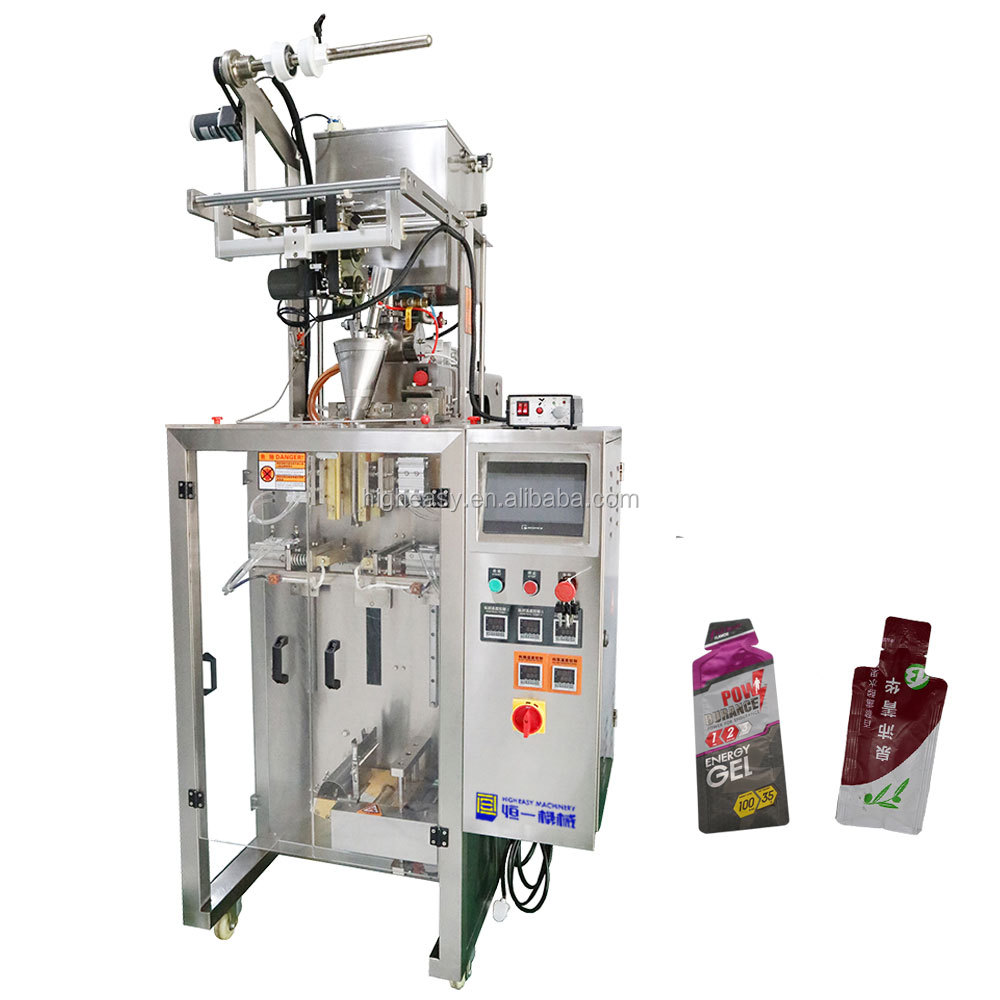
Core Monolayer Films: PE Variants and Their Vertical FFS Machine Compatibility
LDPE, LLDPE, and HDPE — Seal Initiation Temperature, Melt Strength, and Tube Formation Stability
LDPE, LLDPE, and HDPE represent the primary types of single-layer films employed in vertical form fill seal machines, each offering unique sealing and structural qualities as well as compatibility features that interact with the machine components in different ways. Starting with LDPE, it has relatively low sealing initiation temperatures at 110−120 °C, thus lead to rapid fin sealing and lower energy consumption. In addition, good melt strength LDPE minimizes sagging and deformation to the extent that tubes are formed, maintaining consistent pouch shapes throughout production runs. In the case of LLDPE, it has unrivalled puncture resistance and stress flexibility. It does, however, require some care with respect to the operational tension seting as the melt strength of LLDPE is lower than that of LDPE. Lastly, HDPE is the best option in terms and providing superior rigidity to the product and protection against all forms of external abuse.
The downside is that HDPE is a high temperature sealing plastic that requires temperatures of 140-160 degrees Celsius, and regulating the temperature is critical because weak seals that break too easily are a downside of poorly controlled temperatures. To avoid buckling, wrinkling, and seals that stick too intermittently to be useful, manufacturers need to try to align the specific characteristics of the materials to work with the limitations of the equipment (including the dimensions and configuration of the sealing bar, contact time, and the dimensions of the forming collar).
Understanding the tensile strength and resistance when it comes to punctures for the first time sealing the fins on vertical FFS machines.
When it comes to securing vertical form fill seal machines, the proper sealing is not only about understanding what the fundamental specs are for the film. What is needed is a material that has a tensile strength that is greater than or equal to 25 MPa to withstand the vertical forming force to keep the material from breaking or tearing the edges when the tubes are made quickly. Furthermore, the resistance to punctures must also exist. This means a resistance to punctures greater than 300 Newtons is needed to ensure that tiny puncture holes are not formed when the product being filled has rough or sharp corners (i.e. rice, granola, pet food). The controlled elongation under pressure is also a significant factor. The stalling and good sealing occurs when the film is extended only 5% at the time of contact with the bar. This means that the pressure seal will not be deformed, retaining the proper function of the sealing channels. It's no wonder that manufacturers that do not meet these standards will face the common issues of weak seals, excessive wrinkles, and even leaks. The rapid production and packaging facilities experience reject rates that are as high as 17% at production rates of greater than 120 pouches/min. This is why film testing specifications is a good idea when it comes to production. They help keep machine stoppages to a minimum, and are certainly the expertise of the Packaging Professionals at IoPP.
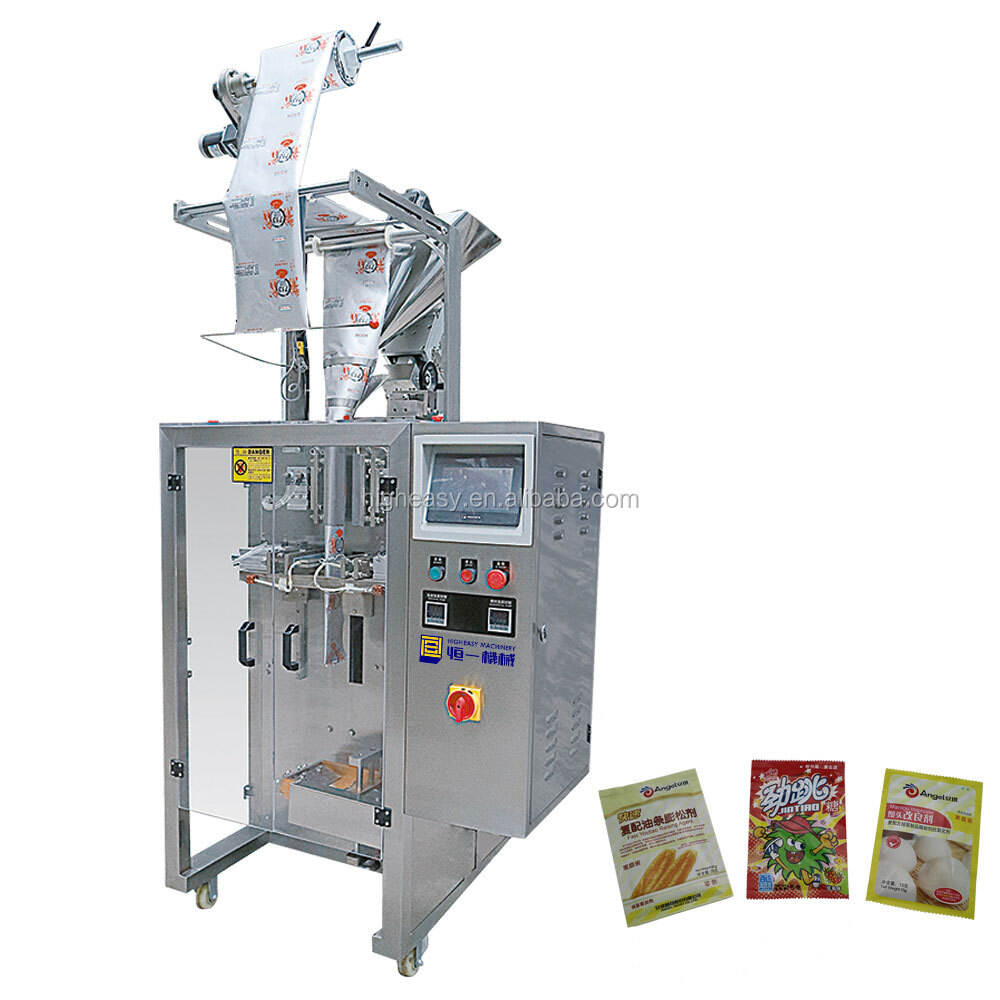
High-Barrier Laminated Films: Use of Aluminum Foil, Paper, and Cellophane in Vertical FFS
Aluminum Foil Laminates - Issues of Thermal Conductivity and Vertical FFS Machine Sealing Bar Adjustments
In high barrier laminates, aluminum foil laminates are still the best, with oxygen transmission rates (OTR) less than 0.1 cm³/m²/ day and water vapor transmission rates (WVTR) less than 0.01 g/m²/day. Because of these rates, aluminum foil laminates are an absolute necessity in the manufacture of coffee bags, medicine packaging, and snacks. However, one major drawback of the aluminum foil is its ability to conduct heat. This is a serious disadvantage in vertical form fill seal (vffs) machines. The sealing bars need to be adjusted just right for there to be a good seal because heat is lost from the sealing area too quickly to form a strong seal. Industry tests have shown that, in a sealed environment, if the sealing bar temperature is not kept within ±30°C of the target, and there is not enough time for the placement of the sealing bar, or if the sealing bar is placed with insufficient pressure (i.e. less than 40 psi), then 20% of the pouches will have a seal that is not formed.
To improve on this, manufacturers have to consider three key components at the same time: temperature control in the range of 140 to 180 degrees Celsius, pressure application of at least 40 psi, and time of seal press closure between 0.9 to 1.5 seconds. Modern sealing machines equipped with servo motors and real time temperature control in the press can make adjustments on the fly to ensure optimal bond integrity throughout the production cycle, no matter how the parameters change.
Moisture-Induced Feed Instability and Tension Control on Vertical FFS Machines at Paper and Cellophane Composites
When it comes to compostable or recyclable sustainable packaging, vertical form fill seal operations have challenges with paper and cellophane composites. Vertical form fill seal machines operate at a relative humidity less than or equal to 5 percent. If it exceeds this amount, the paper substrate will expand or contract enough to impact web tension control. A substrate with less than 5 percent relative humidity will result in the closure of guide rollers, web tension malfunctions, and the creation of operational challenges with the paper, including blinding and obstruction of optical registers, increased frequency of splices to break, and increased frequency of collapsing tubes during formation. Vertical form fill seal machines work best in climate controlled facilities where relative humidity is maintained between plus and minus 2 percent relative humidity. Tension control mechanisms that include load cell feedback and adaptive servos are also necessary. The aforementioned low friction, ceramic coated rollers are critical in reducing and controlling static buildup. They also prolong the wear on the edge of the rollers.
Combine all these fixes and operators typically see an approximately 18% reduction in feeding issues, based on recent testing at cereal manufacturers and supplement producers (Flexible Packaging Association Technical Bulletin 2023).
Specialty Oriented Films: BOPP and PET for Clarity, Stiffness, and Controlled Heat Sealing
BOPP Film Behavior — Dimensional Stability During Vertical Forming vs. Seal Initiation Temperature Optimization
Biaxially Oriented Polypropylene, or BOPP for short, is an end-of-line packaging film that is vertically constructed, which requires clear, firm, and well-defined printing. These characteristics are essential for candy, dried fruit, and dietary supplement packaging. BOPP films are produced by a special process which endows the film with excellent dimensional stability. At temperatures up to 120 degrees Celsius, the film exhibits less than 1.5% shrinkage. This low level of shrinkage prevents bags from distortion or misalignment during vertical tube forming. BOPP films also have a narrow sealing temperature range of 130 to 150 degrees Celsius. Above this range, films tend to curl, seals can become brittle, and delamination can occur. Below this range, seals may be too weak to hold the film in place. An industry-wide consensus is that sealing temperatures must be controlled with a high degree of precision, and that this becomes more relevant in high speed operations.
Packaging plants discovered that optimized dwell time between 0.8 to 1.2 seconds and pressure of 0.3 MPa or more saves up to 20% of materials. Intelligent operators watch their forming tension and keep it below 2.5 Newtons per square millimeter to avoid stress cracks. Remember to cool after sealing to avoid surface wrinkles caused by shrinkage.
Functional Add-On Features: Zippers, Valves, and Barrier Layers in Vertical FFS Machine Workflow
Integrating Zippers and Gas Release Valves — Alignment, Timing, and Lap/Fin Sealing Interference on Vertical FFS Machines
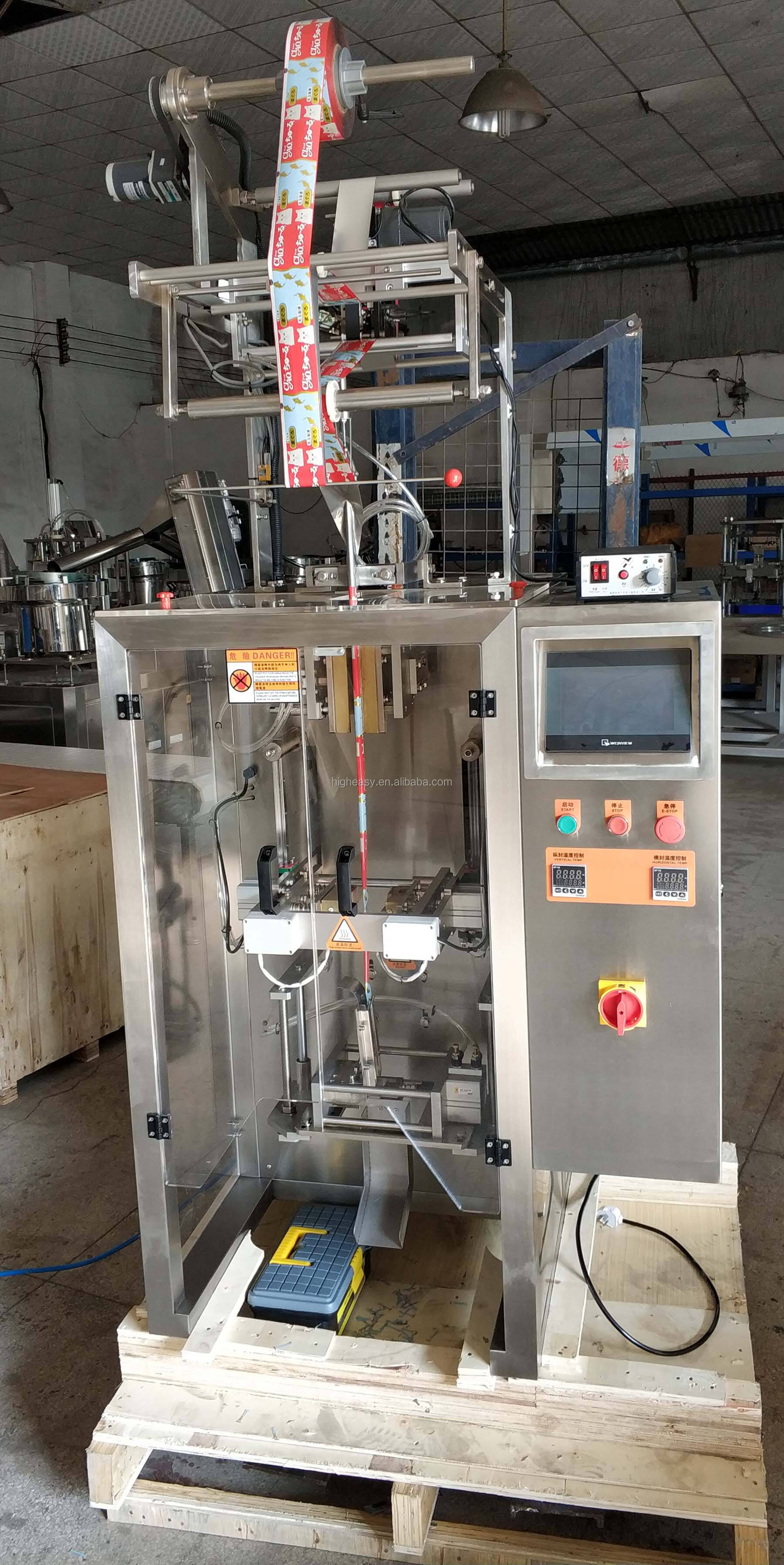
Resealable zippers and one-way gas release valves add functional value to a package, but present new challenges to vertical FFS operations. In these cases, alignment tolerances no larger than 0.3 mm can lead to a range of downstream issues, such as tube freezings, distorted finish seals, and pouches with weak seals. Fortunately, new technologies have emerged. Optical sensors and servo drives have made it possible to control the placement of these components with extreme precision. The placement of zippers and valves can be sychronized to within a few film pulls during an FFS cycle. There also gas release valves to consider. These have to be activated well in advance of the lap seal station. If gas valves are delayed as the lap seal station may be a cause of shelf life problems with roasted coffee and fermented snacks.
Another challenge with zippers is when they are constructed with uneven profiles. The uneven profiles cause small air pockets to form beneath the fin seals, which can decrease their burst strength by as much as fifty percent in extreme cases. However, clever designers have circumvented this. Many of the best systems feature unique side channels that keep the zippers separated from the main sealing areas, as well as automatic tension controls that adjust in response to added weight and friction. When all of these elements work together, the system can provide a more tightly and fully functional seal for daily use with the added benefit of reducing packaging waste by around fifteen percent.
FAQ
What are the main types of films used in vertical form fill seal machines?
The main types of films used are LDPE, LLDPE, and HDPE, which all have different sealing and structural strengths as well as compatibility with the machine.
Why is LDPE preferred for faster sealing?
LDPE is preferred because it has relatively low seal initiation temperatures (110 to 120 degree Celsius), which speeds up the process of fin sealing and aids in energy conservation.
What is the minimum tensile strength required for dependable fin sealing?
Films require a tensile strength of minimum 25 MPa to contour vertically without ripping and need a puncture resistance of over 300 Newtons to avoid creating holes during the filling of the product.
What problems can aluminum foil laminates present on vertical FFS machines?
Conductive aluminum foil laminates draw heat away from the sealing area, creating sealing problems unless the sealing temperature and sealing pressure are precisely controlled.