
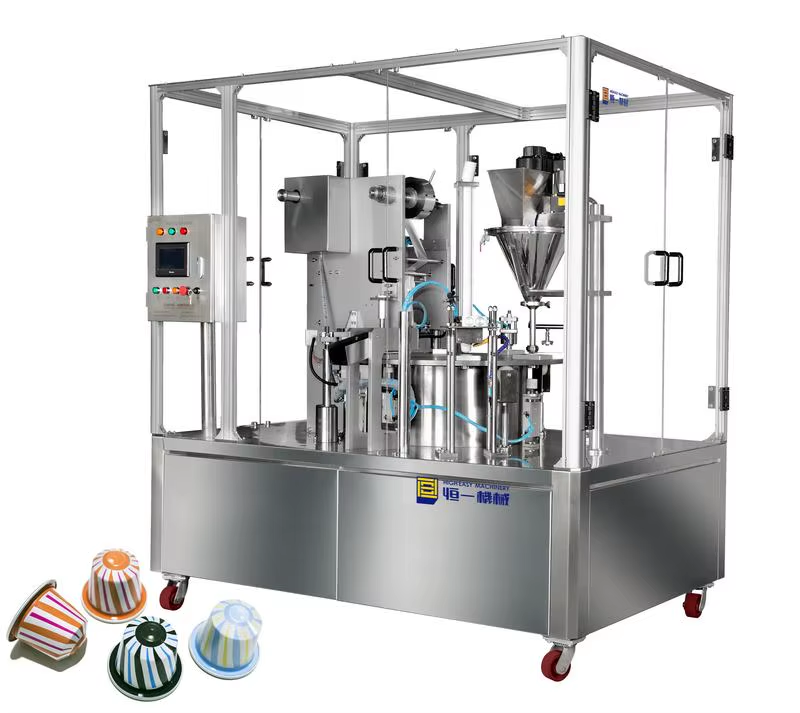
A dairy processor in Eastern Europe operated the same cup filling sealing machine for 14 years before replacing it — not because it failed, but because production demand had doubled beyond its original rated speed. During those 14 years, the machine underwent three sealing head rebuilds, two PLC upgrades, and weekly preventive maintenance. That longevity is achievable, but it depends on factors most buyers overlook during the initial purchase decision.
Factors That Determine Equipment Lifespan
Construction Quality and Material Selection
The expected operational life of a cup filling sealing machine spans 10 to 15 years for well-maintained equipment, with the first major component overhaul typically occurring between years 5 and 7. Construction quality is the single largest determinant. Machines built with food-grade 304 stainless steel frames and product-contact surfaces resist the corrosion that develops from acidic products such as fruit juices, vinegar-based sauces, and fermented dairy items. The sealing station — subjected to repeated thermal cycling at 130 to 180°C — experiences the most aggressive wear. Sealing heads with copper alloy heat spreaders maintain temperature uniformity longer than aluminum alternatives, extending the interval between head rebuilds. Pneumatic cylinders from manufacturers such as Festo or SMC, commonly specified on higher-grade equipment, typically deliver 50 to 80 million cycles before requiring replacement — translating to 5 to 8 years of continuous three-shift operation at 30 cycles per minute.
Usage Intensity and Operating Environment
A cup filling sealing machine running a single 8-hour shift producing yogurt cups in a climate-controlled facility ages differently than the same model running three shifts filling hot soup in a humid, non-air-conditioned plant. Heat, humidity, and airborne particulates accelerate wear on electrical components, pneumatic seals, and conveyor bearings. Production volume matters equally: a machine rated for 3,600 to 4,800 cups per hour operated consistently at 4,500 will reach component wear milestones faster than one running at 3,000. Buyers planning high-utilization should request duty cycle ratings from manufacturers — specifically the recommended maximum continuous operating hours before scheduled maintenance is required.
Maintenance Practices That Extend Service Life
Preventive Maintenance Schedules
A structured preventive maintenance program typically extends a cup filling sealing machine's productive life by 30 to 40 percent compared to reactive, breakdown-based maintenance. Daily tasks include cleaning product-contact surfaces, inspecting sealing head platens for residue buildup, and verifying film alignment sensor calibration. Weekly checks cover pneumatic system lubrication, conveyor belt tension, and filling nozzle O-ring condition. Monthly procedures involve sealing head temperature calibration using an external thermometer to verify PLC readings, replacement of worn guide rail components, and inspection of electrical cabinet cooling fans — overheating inside control cabinets is a leading cause of premature PLC and drive failures. Annual shutdown maintenance should include complete disassembly of sealing stations for platen resurfacing or replacement, pneumatic cylinder rebuild or replacement, and conveyor drive system inspection with bearing replacement as needed.
When Component Replacement Makes Economic Sense
Sealing heads represent the highest-wear component, with typical rebuild intervals of 18 to 36 months depending on operating temperature and daily cycle count. PLC and touchscreen systems, particularly those using Siemens or equivalent industrial-grade components, often outlast the mechanical systems and may only require replacement when software support ends. Conveyor belts and drive chains typically need replacement every 3 to 5 years. A decision framework for repair versus replacement should consider whether the cumulative cost of repairs over the next 24 months exceeds 50 percent of a new machine purchase — at that threshold, replacement usually delivers better return on investment through higher speed, improved energy efficiency, and reduced downtime risk.
Frequently Asked Questions
What is the typical lifespan of a cup filling sealing machine?
With proper maintenance, a quality cup filling sealing machine operates reliably for 10 to 15 years. The sealing station typically requires its first major rebuild between years 5 and 7, while PLC systems and stainless steel frames often outlast the mechanical components and remain serviceable for the full equipment life.
How often should sealing heads be rebuilt or replaced?
Sealing heads typically require rebuilding every 18 to 36 months depending on daily operating temperature and cycle count. Signs that rebuild is needed include drifting temperature readings requiring frequent recalibration, visible wear on platen surfaces, and increasing rates of incomplete seals.
What maintenance tasks most affect machine longevity?
Daily cleaning of product-contact surfaces and sealing head inspection have the highest impact on longevity. Contamination buildup on sealing surfaces accelerates platen wear and causes inconsistent seal quality. Monthly temperature calibration of sealing heads using external verification prevents the gradual drift that operators may not notice until seal failures increase.
How does operating environment affect equipment lifespan?
High ambient humidity accelerates corrosion on exposed metal surfaces and degrades electrical connections. Ambient temperatures above 35°C strain cooling systems inside control cabinets, shortening PLC and drive component life. Dusty environments without proper filtration cause premature bearing wear on conveyors and pneumatic cylinders.
When should a buyer replace rather than repair aging equipment?
When cumulative repair costs projected over the next 24 months exceed 50 percent of a new machine purchase price, replacement typically offers better value. Additional triggers include production demand exceeding the machine's rated speed, unavailability of critical spare parts, or PLC software no longer supported by the manufacturer.
Can upgrading controls extend the life of an older machine?
Replacing an outdated PLC and touchscreen with a current-generation system can extend usable life by 3 to 5 years, particularly when the mechanical frame and sealing station remain in good condition. Control upgrades also enable integration with modern production monitoring systems and improve diagnostic capabilities for faster troubleshooting.