
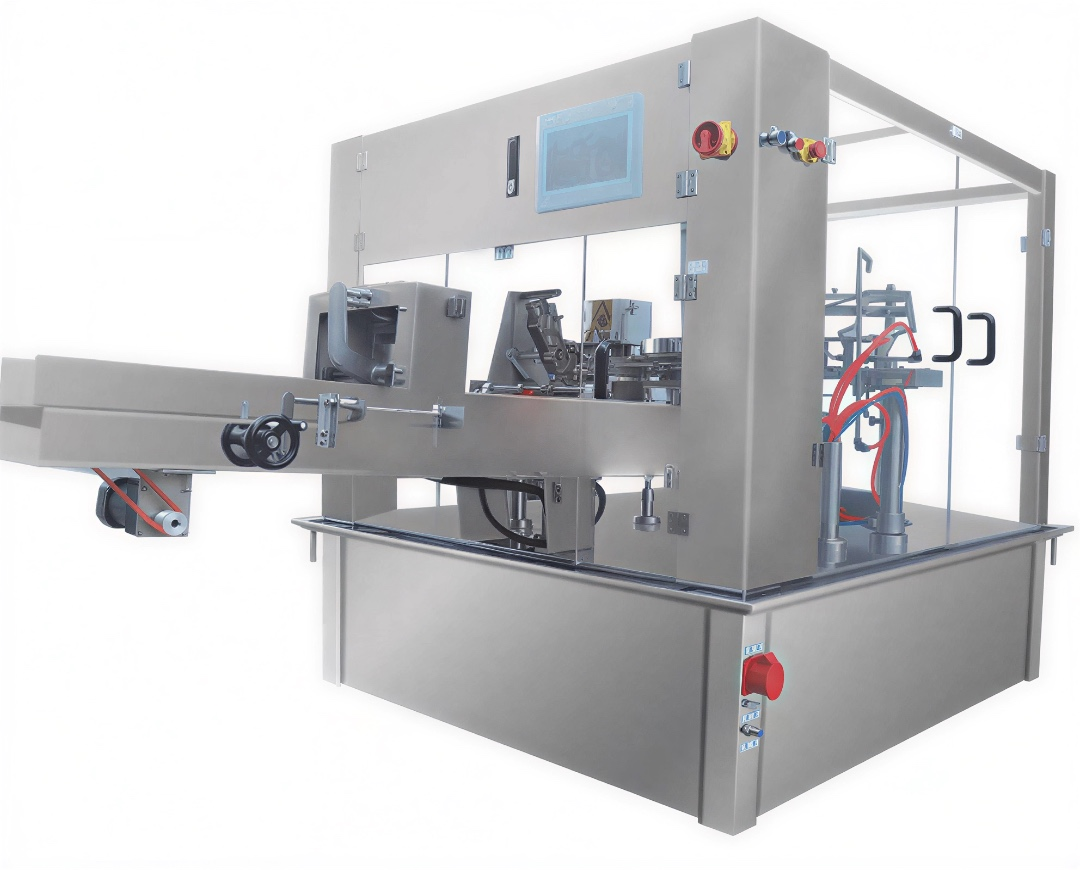
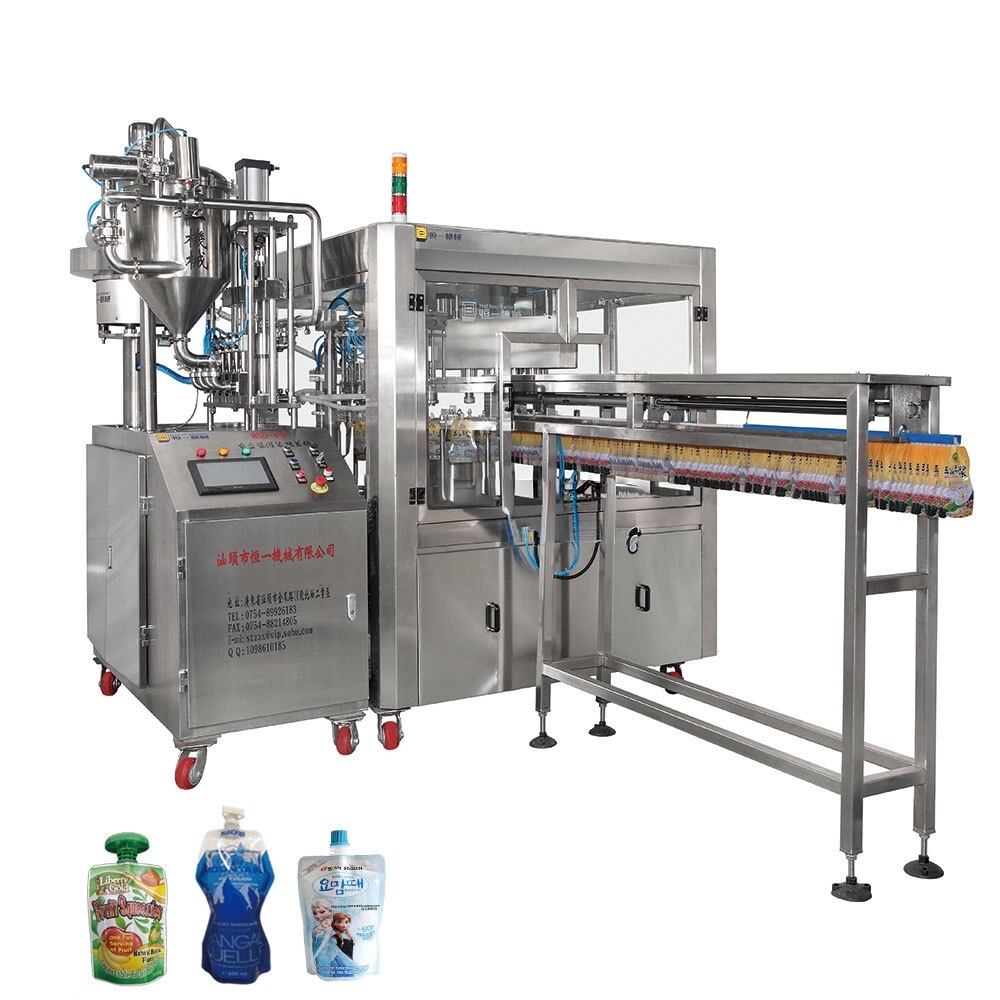
When choosing a premade pouch filling and sealing machine, a producer must consider the nature of the products and the type of packaging to be used, especially for liquid products that require leak-proof pouches and good sealing mechanism (volumetric or gravimetric) to avoid drips and have the pouches filled to the same level for every batch. With powders, one should also consider a dust control mechanism. Most operations use screw auger fillers or servo-driven pistons that are paired with a weight check system to achieve this. For granular products, a vibrating feeder or a gravity-fed chute with a flow divider works best. These devices minimize the pouch filling and sealing machine’s bridging during filling. The equipment should be able to accommodate a variety of pouch styles. There are several types of stand-up pouches, including those with gussets and reinforced bottoms, as well as flat pouches and spouted pouches, which make pouring easier.
Features like interchangeable nozzles and adjustable sealing jaws give operators the ability to quickly pivot to new recipes without disassembling the entire machine. Flexibility like this makes it practical and cost effective to run multiple SKUs on the same production line instead of having to buy more equipment.
Throughput Requirements and Scalability for Current and Future Volumes
Forecasting growth demand for pouches beyond the immediate requirement is a test of time and predicting ability. For instance, consider a processing machine that can make 5,000 pouches in a hour. A business that grows by 25% annually will run this machine into the ground. More frequent and worse breakdowns will occur, and it will become increasingly capped and stressed. Investing in the future safety of a business is the most valuable tactic, and in this case, it may mean installing a 2nd filling head, upgrading to faster conveyor belts, or sealing systems that get software upgrading to faster systems. More than any other quality, experience matters here, and while it is hard to under-out it is a good idea to be under-out, or operating below capacity, to allow a machine to run during peak times. This is a good idea, especially for a peak time. Consider formats too. Pouch formats will not remain unchanged while you run the machine.
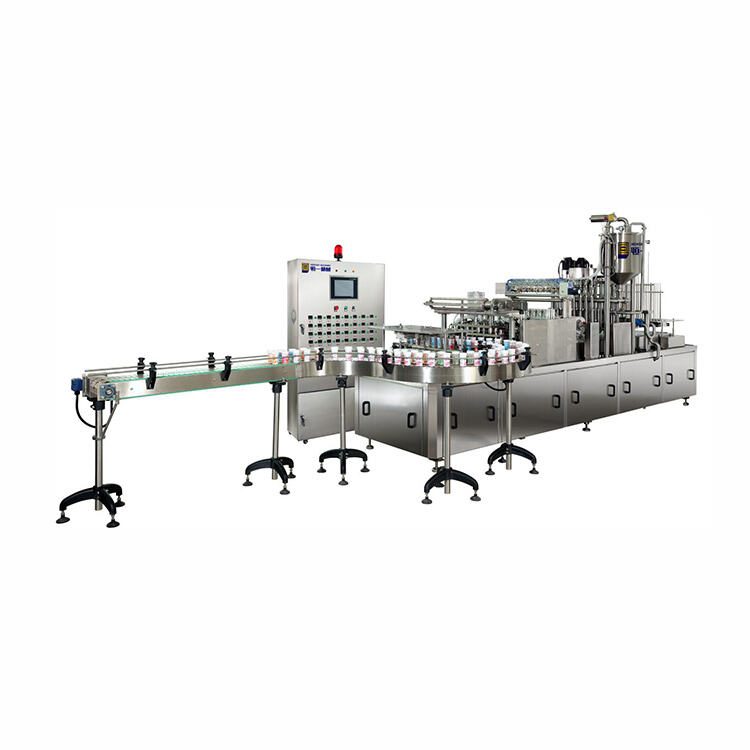
Without the right optimizations, the production rate drops by about 15 to 30 percent for every unprocessed switch from one type to the other. Try to find machinery that automatically recalls certain parameters, reconfigures, and adjusts without requiring any special tools.
After-Sales Service Quality: Key Metrics That Impact Uptime and TCO
Response times, remote diagnostics, and certified on-site technician availability
When machines are not running, a company can lose a lot of money. That is why fast service is so important, especially these days. The leading manufacturers have several service contracts where they promise to have someone on the phone within two hours to discuss service issues, and for major issues, someone will be on-site within four hours. The most modern remote diagnostics tools, using a secure cloud system, offer real-time diagnostics and remote service for approximately 35% of service issues without the need to dispatch a technician. And in some cases, problems are corrected before customers are aware that an issue exists. In the most controlled environments, such as the production of pharmaceuticals or the packaging of medical devices, it is critical to have qualified personnel on-site. It is important that field engineers have the appropriate certifications for their work environment, where ISO 13485 and GMP clean room certifications are the normative standards. Companies that offer and publish repair times, especially if they are under 4.2 hours for first-tier support, tend to be more reliable, and therefore, more trustworthy.
Depth of Spare Parts Inventory, Lead Times, and Warranty Conditions (Coverage Scope & Inclusion of Labor)
The location of spare parts is not only an issue of convenience but also a total cost of ownership (TCO) problem. Assess the vendors’ regional warehouse coverage using the inventory factors.
Inventory Factor High Performance Standard Downtime Risk if Unmet
Critical parts stock coverage ≥90% of common failures Production halts >24 hours
Express shipping lead time ≤8 business hours $18k/hour revenue loss (average)
Warranties should cover parts and labor (with the exception of consumable items like sealing jaws, nozzles, and belts) for three years. Look at the exclusions: some providers do not cover after hours, weekends, and holidays, even when it is an emergency response contract. If your company is global, make sure the warranty applies everywhere. It should also not be excluded when it comes to software and cybersecurity updates, and the warranty should cover that.
Vendor Trustworthiness: Assessing the Likelihood of Support in the Future
Global Service Network Density, Local Certification Programs, Customer Reference Vetting
The performance of the equipment itself and the supplier's history and reputation should be evaluated in tandem. There are three areas to look at in detail. First, identify how widespread the vendors’ service centers are.
From industry standards, having certified technicians within 200 miles of your main operation site can help expedite the repair process. After this, consider technician training programs. Does the company comply with ISO 9001? Are there reports of continuing education with evaluations and certifications? If there is no documentation, the sealing issues may be due to lack of training. Also, talk to other customers with like needs. Target users in your range working with 10 to 50 pouches per minute, retortable stand-up pouches, or users under FDA, medical, or device manufacturing regulations. Customer satisfaction ratings above 85% within the past five years correspond to 99% operational uptime. These indicators help determine if the vendor will help achieve your goals.
Considerations when selecting a premade pouch filling sealing machine do include the type of product and the machine's throughput potential. Select machines based on the product types (i.e., liquid, powder, or granule), the range of pouch types to be used, the expected production volume, and the machine's growth potential.
What are the best ways to sustain low downtime with these machines?
Implementing a strong after sales service program that includes remote diagnostics and on-site support by certified technicians, quick service response time, and readily available replacement parts.
Why is it important to have trustworthy vendors?
Vendors with trustworthy reputations provide the necessary confidence required for long-term support, high customer satisfaction, service availability, technician coverage, and compliance with ISO 9001 standards.