
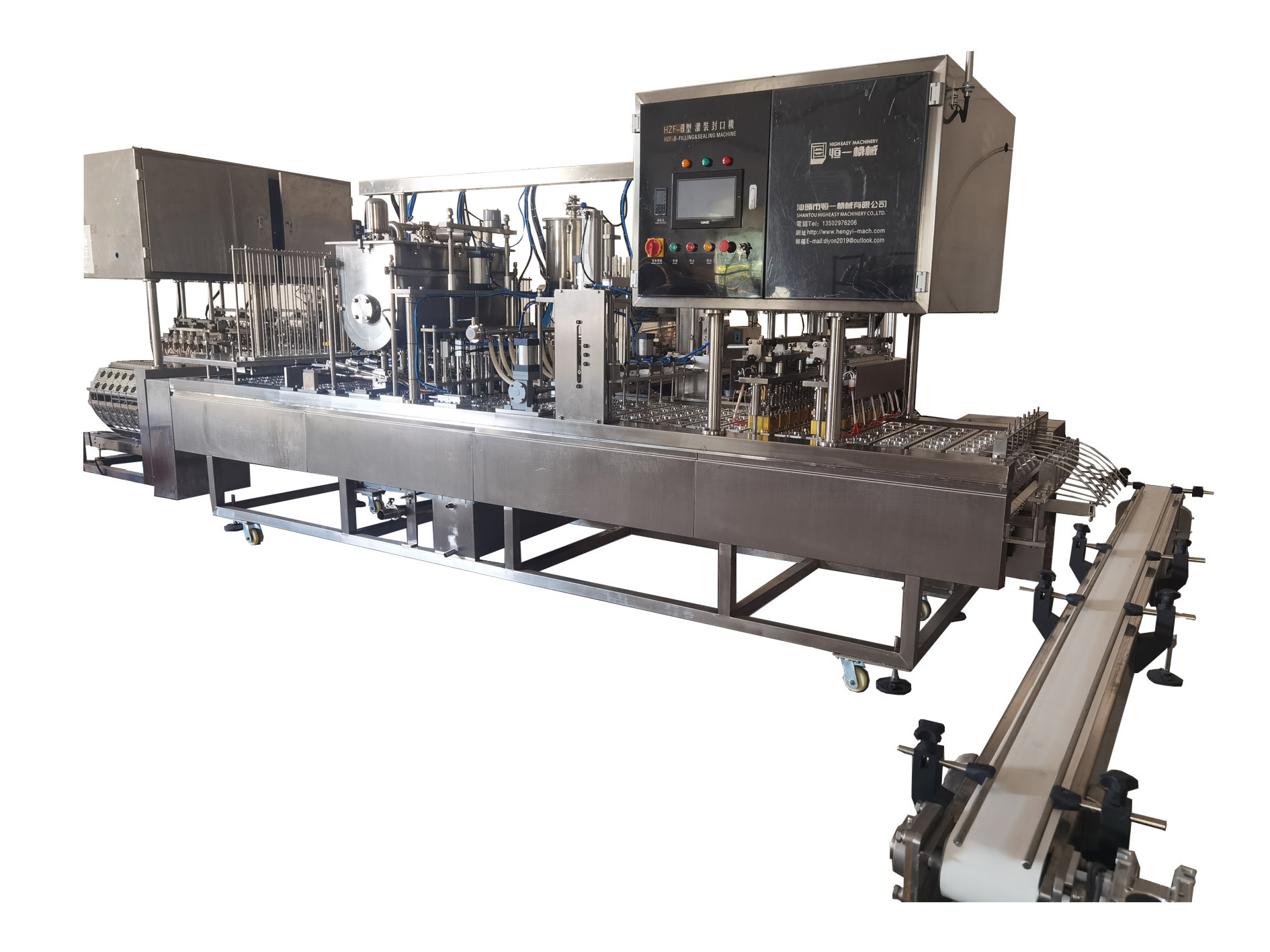
Cup Filling Sealing Machine: The Core Automation Hub for Cup-Based Packing
How Integrated Filling-and-Sealing Removes Transfer Delays and Unpredictable Human Factor
On traditional packing lines filling and sealing occurs in separate stations—creating physical handoff points where cups backlog, reducing throughput. Transfers done by packing staff lead to a 15-20% packing efficiency loss, adding variability to fill precision and sealing. A compact unified cup filling sealing machine integrates both features, offering a fully synchronized servo system. The filling and sealing stages have no stops in between. This automation minimizes touch points by 90%, with sealing and filling done with a consistent hermetic seal and a fill precision of ±0.5%. Facilities that implement a compact solution see an increase in throughput of up to 23%, and leakage incidents have dropped to almost zero.
Case Study – Dairy Dessert Manufacturer Cuts Changeovers by 42% with New Rotary Cup Filling Sealing Machine
A rotary cup filling sealing machine was integrated with a tool-free mechanism to allow easy adjustment for format. This new machine assisted a European dairy manufacturer to reduce changeover time from 45 minutes to 26 minutes, a 42% reduction. It was equipped with easily interchangeable filling heads and sealing dies, allowing the manufacturer to rapidly switch between packaging pudding and mousse SKUs. The programmable logic controllers (PLC) stored over 200 production recipes, and the machine automatically set fill volumes between 50 and 500 mL, sealing at temperatures of 120 to 200 °C, and adjustable sealing dwell times. The rotary cup filling sealing machine allowed the manufacturer to perform 12 product packaging rotations in a day without stopping the filling and sealing line. The new machine also incorporated a vision system to eliminate sealing mistakes, lowering rejection rates by 18%. Annual production increased by 31,000 units, reducing workforce costs by $160,000.
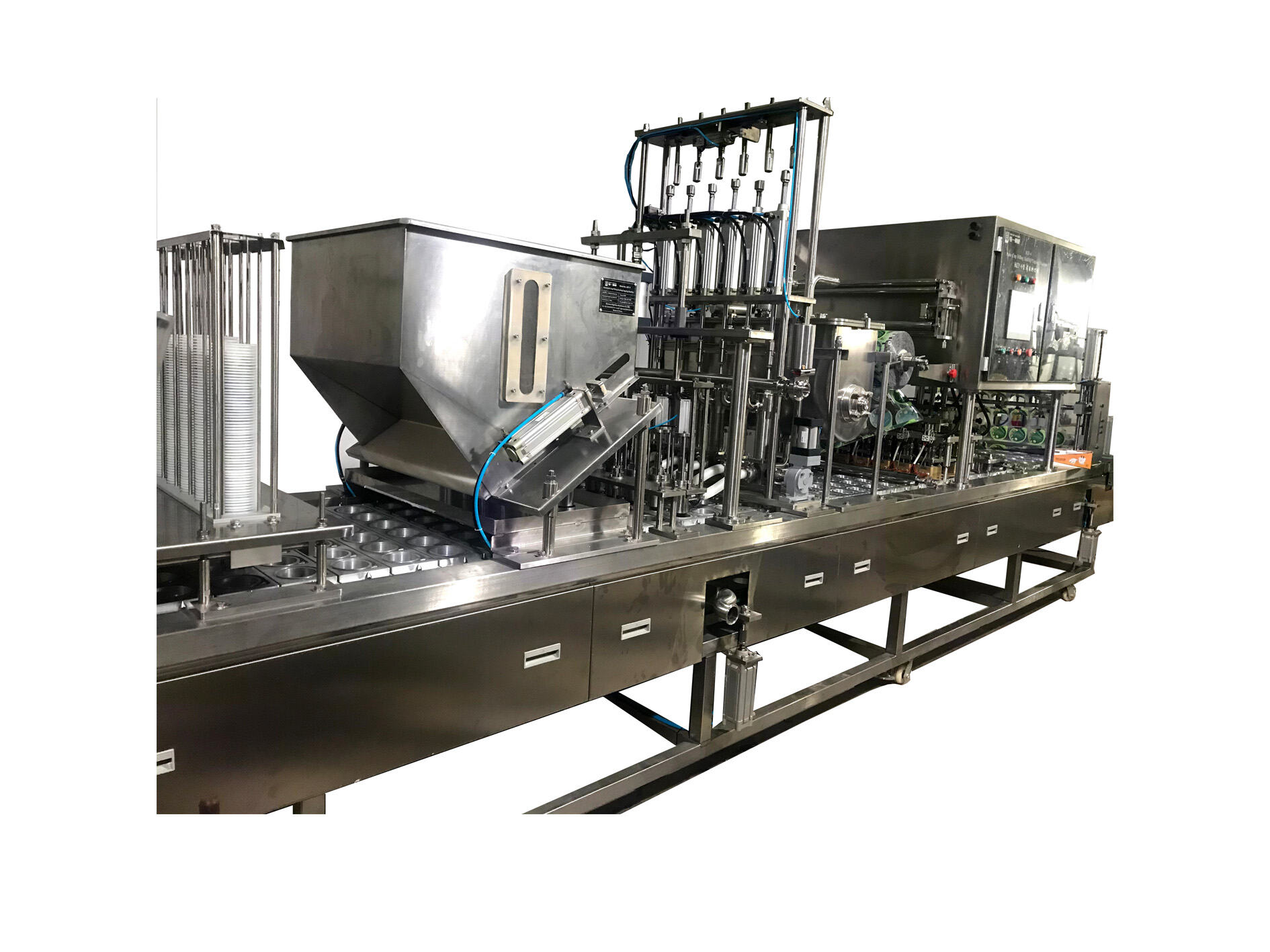
Precision and Compliance: Cup Filling Sealing Machines and Their Consistent & Leak Proof Output
Closed-loop Servo Sealing and Vision-Guided Fill Verification: How Compliance with FDA/EU Specifications is Met
The combination of Closed-loop Servo Sealing and Vision-Guided Fill Verification incorporate regulatory compliance in modern cup filling sealing machines. Temperature and pressure are maintained in the Servo Sealing systems, therefore the lid sealing process is leak-proof, compliant with FDA 21 CFR Part 120 and EU Regulation (EC) No. 852/2004 and lidded cups withstand a hydrostatic pressure of 30 psi. Vision systems, at 200+ frames per second, scan cups prior to sealing to verify fill, and identify under fill and overfill conditions. Sealed cups are subjected to a hydrostatic pressure of 30 psi and the sealed cups withstand the international standards of food safety for transport and shelf life.
Waste Reduction: Modern Cup Filling Sealing Machines with Real-time Quality Control Reduce Spoilage by 18.7%
Innovative cup filling sealing machines have reduced spoilage by 18.7% with built-in, real-time quality control. While in operation, Optical sensors identify problems with the seals, lids, and fill levels and automatically remove the unit within 0.3 seconds. Thermal control loops help maintain the sealing conditions within the sealing elements. This system helps prevent the sealing elements from losing control and sealing a product with degraded quality. The monitoring system prevents a sealing cup from leaving the system if a seal is breached. This monitoring system is incorporated into cup filling sealing machines for the beverage, dairy, and pharmaceutical industries to help reduce the chances of a product being recalled and the product being reworked.
The Complete Automation of the Cup Filling Sealing Machine and its Impact on Downstream Packaging
PLC Synchronization: Solving Mislabeling and Mislabeling Problems on 68% of High-Speed Lines
PLC-level synchronization is the first step taken toward the integration of downstream equipment. Nowadays, cup filling sealing machines communicate with cappers, labelers, and case packers. They do this through exchange data in real time, which allows them to maintain timing and alignment, as well as speed throughout the line. This forms a closed system that accounts for slight communication losses and prevents jams, misaligned labels, and inconsistent cap torques. An industry report from 2024 states that this type of system eliminates misaligned labels and caps on 68% of high-speed lines and shrinks unscheduled downtimes by 23%. In less than a second, the machine corrects itself, ensuring that a consistent and compliance-critical product is sealed and labeled. This is especially important in the dairy and pharmaceutical industries. For the entire integrated system, operators are given performance statistics with system monitoring and predictive maintenance alerts, all in real time, on the central HMI dashboard.
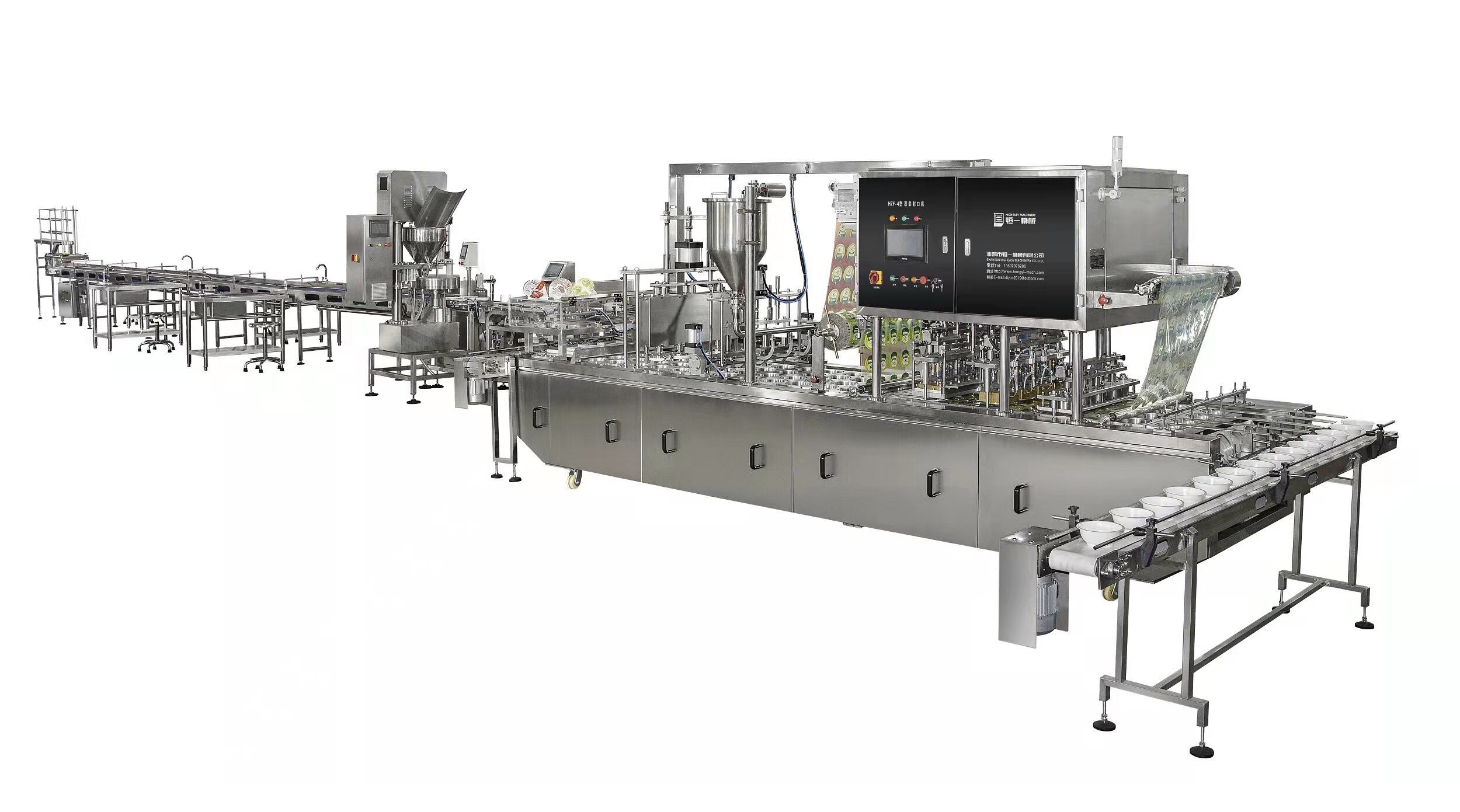
Automating your liquid filling and sealing processes involves choosing among multiple types of cup filling and sealing machines. Automation choice depends on the complexity of your SKU (i.e., Stock Keeping Unit) and the volume of production. For low to medium production rates of filling (>5,000 cups per hour), customer needs often change requiring the filling and sealing of a variety of cups/shapes. In this case, semi-automated machines are a good choice since they require a lower capital investment, take up less factory floor space, and rely on manual changeovers or assisted changeovers. Fully automated machines have a higher capital investment, but are required in high production (>10,000 cups per hour) environments. Fully automated, high production , sealed systems require less labor (up to 60% less) and integrate filling, sealing, and vision inspection systems, while matching and synchronizing downstream processes. When there are a large number of SKU requirements (i.e., >20 for a given flavor of cup, and/or for a seasonal product), higher end machines with multiple diameters (for free cup interchangeability), robust recipe storage, and tool-less changeover capability are a must. Finally, the ability to change up the fill, sealing, and the closure materials enhances a companies ability to be a leader and more quickly meet market needs.
FAQs
A cup filling sealing machine is an automated piece of equipment that fills and seals cup based packages. It fills and seals cup based packages that are used in the food and beverages and the pharmaceutical industries in a rapid, hermetic, and accurate manner.
What is unified filling and sealing?
Filling and sealing that are unified increases the accuracy and output of the system, and decreases the failure points that are associated with a human operator, since there are less human contact points.
Can a cup filling sealing machine handle various SKUs?
Yes, with modern cup filling sealing machines, accommodating high variability and frequent product rotations is ease. They require no tools for changeovers, have strong recipe memory, and can handle multi-diameter cups.
Using for how real-time quality control reduces waste.
Real-time quality control systems use optical sensors, and thermal feedback loops to instantly identify and reject defects. This saves on material, labor, and rework cost waste.
Explain the impact of PLC synchronization for integration.
PLC synchronization for cup filling sealing machines allows for downstream equipment to be cued to exact timing and speed with respect to the sealing filling cup machine. This allows for no jams, capping upsets, and maximizes efficiency.