
Material Compatibility and Regulatory Compliance for Edible Oils and Seasonings
Food-Grade Contact Materials: FDA 21 CFR & EU 1935/2004 Requirements for Oil-Resistant Components
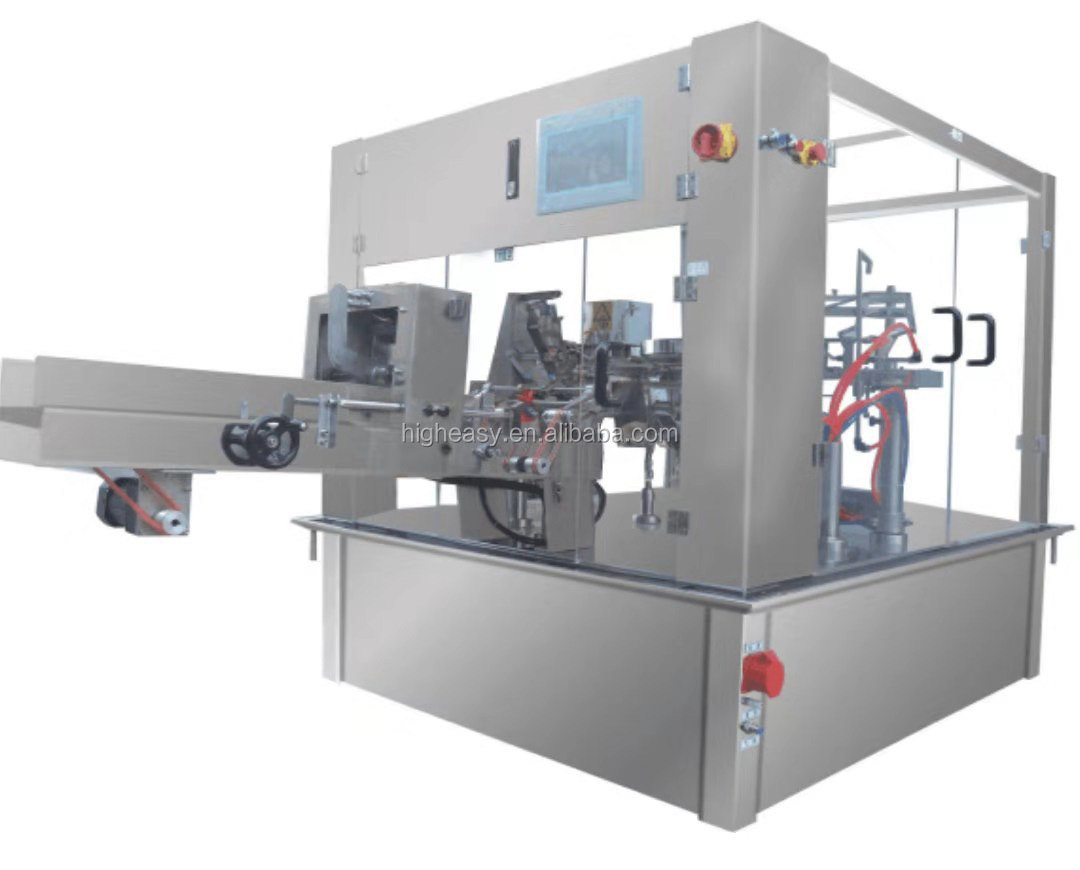
As per FDA 21 CFR and EU 1935/2004 guidelines, parts that touch edible oils must be designed to avoid breakdown and leaching. Regulations state that for every interface that comes into contact with the oils, there must be non-reactive materials used. Components designed to be in contact with oils for long periods require 316L stainless steel and PTFE seals. These materials prevent leaching or wicking into products that are lipophilic, such as olive oil. For gaskets, the industry standard has been to source oil-resistant elastomers that meet the ASTM D471 standard with fatty acid absorption under 10%. Coating materials are subjected to 40 °C immersion testing to determine if there is any swelling or peeling after the immersion period. Companies that choose to ignore these guidelines do so at their own risk. In 2023, for example, there were FDA Warning Letters for Material Incompatibility Contamination Issues with penalties in excess of $500,000. These guidelines and constraints are put in place to ensure that the spout pouch filling and capping machine manufacturers also remain compliant during the entire packaging process from filling to capping, and that there are no contamination issues.
Viscosity Adaptation: Dealing with Low-Viscosity Oils (e.g. Canola) to High-Viscosity Seasonings (e.g. Mustard, Chili Paste)
The latest spout pouch filling and capping equipment can manage an impressive four-order range of viscosities, from 30 cP (canola oil) to 50,000 cP (chili paste) with no hardware changes required. This one is able to do this thanks to three of its built-in features.
1. Modular pump systems: (1) Interchangeable piston pumps for low viscosity oils (2) progressive cavities pumps for high solid pastes.
2. Heated pathways: (40-50°) to lower product viscosity and to prevent thickening from temperature drops
3. Nozzle customization: wider, low shear nozzles that can pass by unclogged suspended particles, like mustard seeds.
For low viscosity filling, high-speed anti-splash nozzles are used. High viscosity seasonings require increased control of the filling process to reduce air entrapments and ensure complete filling of the cavities (25-50% lower) to control the fill. This is the set of features and modifications that are able to reduce changeover time by 70% compared to traditional single viscosity systems.
Precision Filling Performance of Spout Pouch Filling and Capping Machines
±0.5% Accuracy at 500mL: How Servo-Piston Systems Outperform Flow Meters for Variable Viscosities
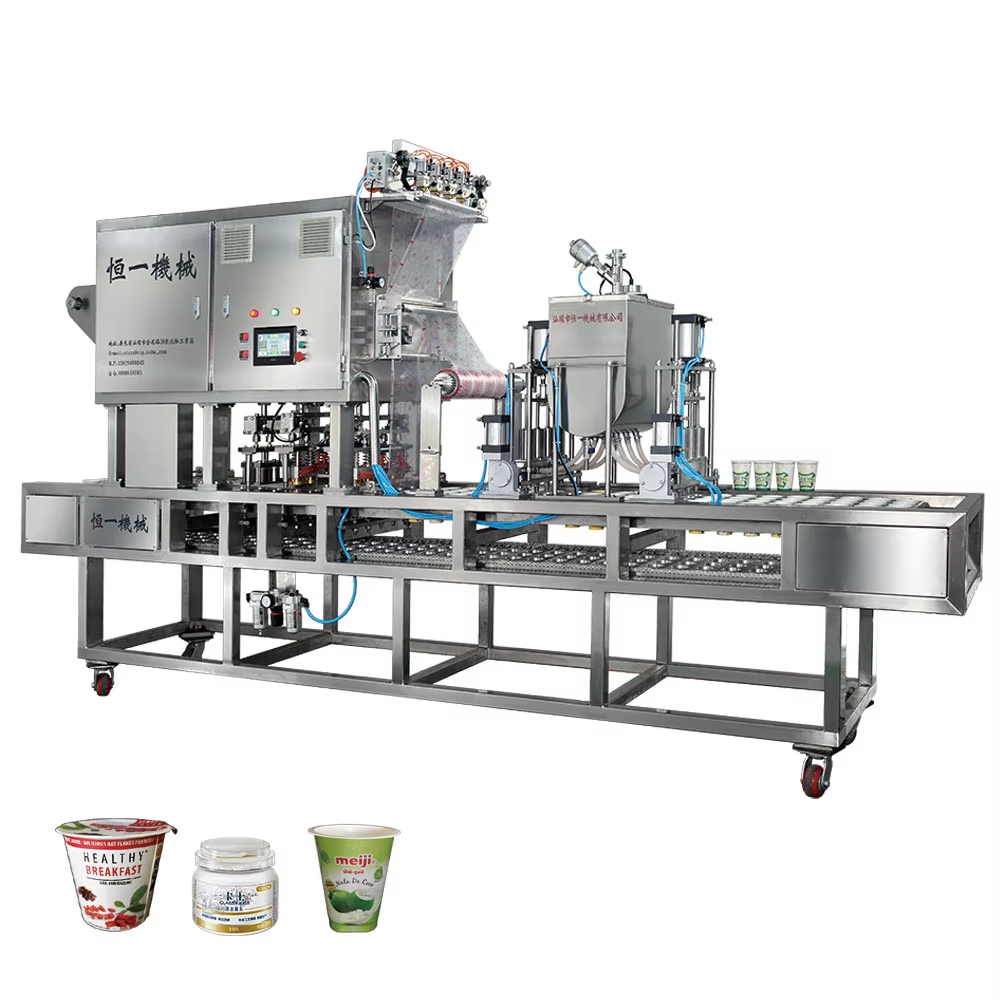
Standard flow meters are expected to measure volumes in a range of ±2% when measuring canola oil (about 50cP) and very thick (over 20,000cP) products, such as chili paste. The performance of flow meters is highly variable in accordance to the viscosity they are measuring due to the flow meter's dependence on the viscosity of a given liquid to determine the flow rate. This phenomenon occurs due to the stagnant nature of the fluid (laminar) and the chaotic (turbulent) flow of the liquid. Positive displacement enabled servo piston systems eliminate this issue. Engineered positive displacement actuator (piston) systems are able to measure and dispense exactly the same amount of a given liquid regardless of the liquid's viscosity (including hot and cold products) and pressure for all flow scenarios (including turbulent flow). Packaging Technology Review (2023) describes third party testing that claims to measure the greatest range of viscosity from 1 to 50,000 cP. What does this mean for manufacturers? Improved bottom-line is achieved when less product is wasted. With traditional systems, this creates an estimated 1.2% product loss. This system also meets the more stringent requirements concerning labeling and product weight established by the FDA (21 CFR Part 101.105) and EU (Directive 2007/45/EC). Without having to stop a system to recalibrate (adjust) a line, the ability to quickly (real time) adjust adds more consistent (high volume) output to the operational efficiency of such systems
Anti-Drip Engineering: Vacuum Nozzle Retraction and Two-Stage Drip Control
Liquid dripping after filling leads to wasted products, potential cross-contamination, sealing issues, and cap failure to stick. This is most common with viscous products like honey, syrup, or mustard with seeds. Spout pouch fillers and cappers from the latest generation use a method called vacuum-assisted nozzle retraction to avoid these issues. As the nozzle retracts, a vacuum is created to pull back the last droplet. This is done in a two-step process to improve the effectiveness of droplet removal. The first step is a quick retract to break the product stream, followed by a strong pull from the vacuum to eliminate the final droplet. A study published last year in the Food Processing Journal showed that these systems improved dripping waste to 94% less compared to older nozzle systems. Maintaining a clean nozzle is also important to prevent seal damage and corrosion from product residue, which is especially important with acidic products like vinegar and lemon dressings that react with exposed metal.
Leak-proof capping and spout integrity in flexible spout pouches
Torque control: finding the right balance between seal and spout integrity in laminated PE/AL/PE pouches.
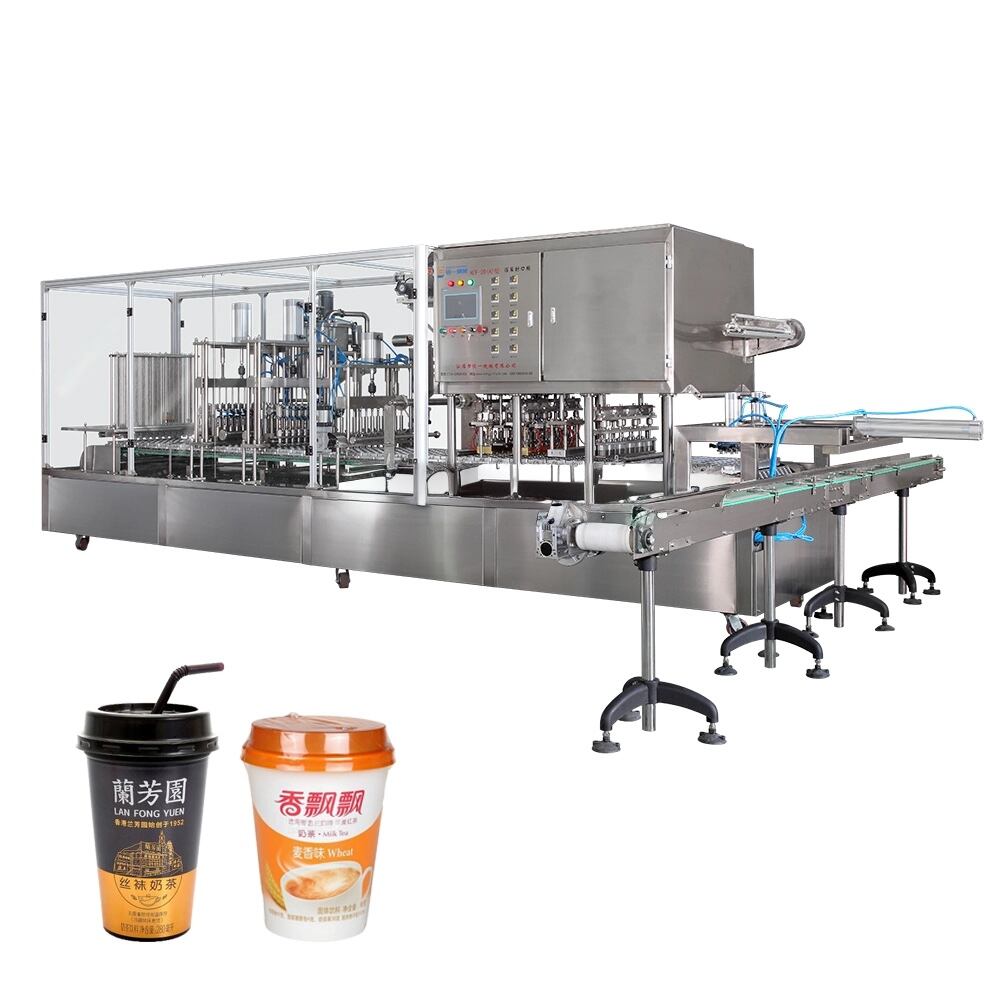
The torque used in the sealing process of laminated pouches is of great importance. Insufficient torque will lead to seal failure, whilst excessive torque will damage the spout and create a seal failure in the aluminum layer, leading to an up-taking of oxygen. The ideal sealing torque is between approximately 1.2 and 1.8 Nm. Within this range, the seal is complete, and the integrity of the layers remains intact. Servo controlled capping heads are now standard in the modern packaging industry. They control the torque on individual capping heads based on real time readings from strain gauges. This allows control of the spout and cap material variation, and leads to significant consistency in quality across production.
The table below illustrates the relationship between sealing torque and the associated risks of seal integrity, spout deformation and leak potential.
Real time torque control provides a sealing failure solution to the causes of 23% of the recalls on season pouches related to cap seal failures (Packaging Digest 2023) - especially during transit when there is a trapped hydraulic pressure from the viscous contents.
Case Study Cooling Oil Filling Machine CPM-800E Spout Pouch Filling and Capping Machine
A company that offers high-quality cold pressed olive oil products utilized the CPM-800E machine to address leakage issues and improve filling accuracy. The system's servo piston maintains a consistent oil volume measurement (±0.5%) regardless of variations in oil viscosity due to seasonal changes. Additionally, vacuum assistance was implemented to retract the filling nozzles, which eliminated post-filling drips that previously caused spills on the pouches and adversely affected their leak test performance. For pouch sealing, the torque was adjusted to approximately 1.5 Newton meters, which was considered acceptable sealing torque (between 1.2 and 1.8 Nm). This resulted in well-formed seals that prevented the spouts from being crushed during subsequent thermal treatments. After three months of continuous accelerated shelf life testing, approximately 99.8% of the pouches remained leak-free. Furthermore, production velocity improved by 22% due to the reduction of time spent on clean-up, error corrections, and manual torque adjustments.
Most Frequently Asked Questions
What materials can be used for applications that come in contact with edible oils?
For applications that come in contact with edible oils, materials such as PTFE seals and 316L stainless steel are recommended as they are resistant to oil breakdown and do not leach harmful chemicals into food. It is also recommended that the gaskets of the products being used are made of oil-resistant elastomers.
Why is it necessary to adapt viscosity in spout pouch filling machines?
This means the machines can be used for a variety of products ranging from low viscosity oils like canola to high viscosity products like chili paste seasonings without the need to change any hardware .
In what ways do servo-piston systems enhance filling accuracy?
They use what is called positive displacement for measuring filling systems which is proven to be better for a variety of viscosities and is thus more accurate than typical flow meter systems.
What are the advantages of vacuum-assisted nozzle retraction?
This helps in minimizing the dripping of products which helps to reduce waste and avoids contamination of the product while also providing a better seal and cap fit.
How is the right amount of torque attained in the capping processes?
This is achieved with the use of servo controlled capping heads, which means the rotational power can be controlled to achieve the right amount of torque to make good seals while not tearing the pouch materials.