
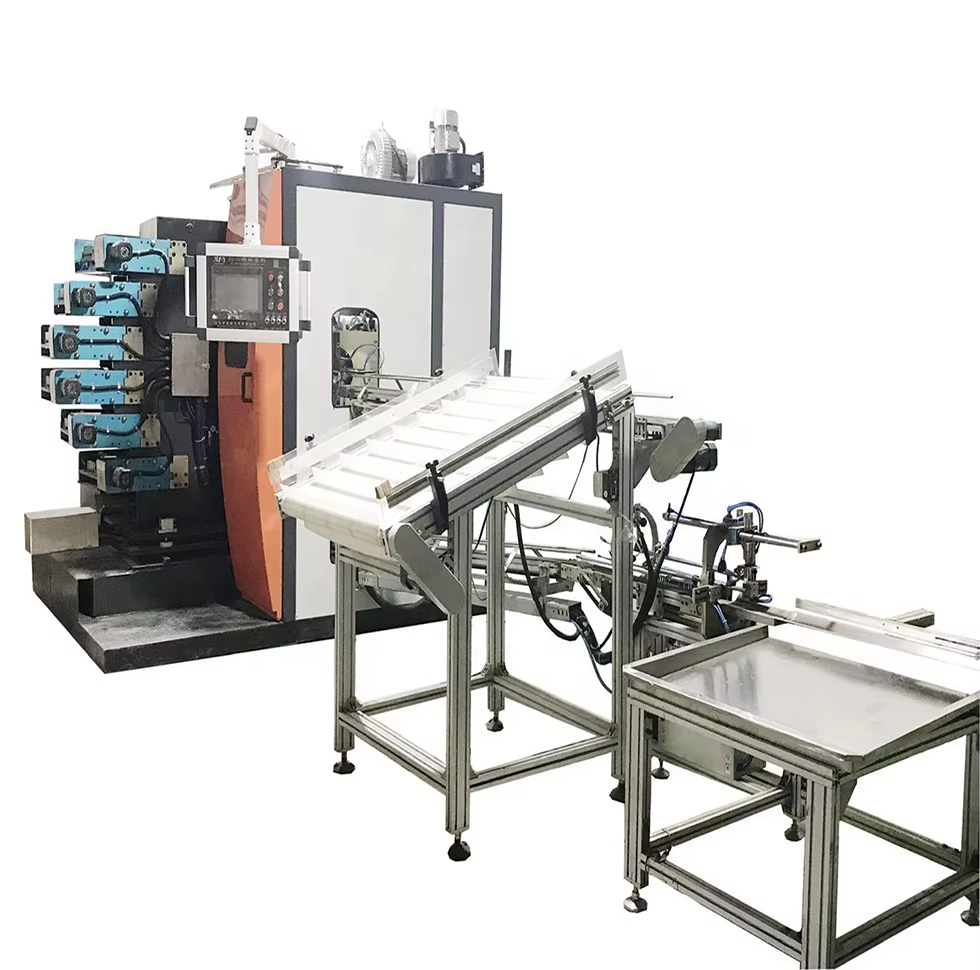
Technical Feasibility of Spout Pouch Filling and Capping Machine Integration
PLC Communication Protocols and Industrial Network Compatibility (Modbus, EtherNet/IP, OPC UA)
Integrating a spout pouch filling and capping machine into automated production lines hinges on standardized PLC communication protocols. Modern systems prioritize Modbus TCP, EtherNet/IP, and OPC UA to enable reliable, real-time data exchange across equipment from different vendors. These protocols support precise control of fill accuracy (±0.5% tolerance) and cap torque consistency (0.5–3.0 Nm), while OPC UA’s platform independence ensures seamless integration with diverse SCADA and MES platforms—enabling synchronized production rates and immediate deviation alerts. Industry benchmarks indicate that adopting these unified standards cuts integration complexity by 40% compared to proprietary alternatives (Packaging Automation Report 2023).
Mechanical Interface Standards: Mounting, Conveyor Alignment, and Changeover Flexibility
Physical integration requires strict adherence to mechanical interface standards. ISO 8561-compliant mounting interfaces provide effective vibration isolation between the spout pouch filling and capping machine and adjacent units such as pouch formers or case packers. Critical alignment parameters include:
- Conveyor height alignment: ±1 mm tolerance at transfer points
- Changeover mechanisms: Tool-less format adjustments for pouch volumes ranging from 50 mL to 1000 mL
- Buffer zone design: Minimum 300 mm accumulation space before capping stations
These specifications prevent spillage during transfers and support format changeovers in under 25 minutes. Standardized interfaces reduce mechanical integration time by 60% versus custom-engineered solutions (Packaging Efficiency Journal 2024).
Upstream and Downstream Line Synchronization for Seamless Spout Pouch Filling and Capping
Integration with Upstream Units: Preform Feeders, Film Unwinders, and Pouch Forming Stations
Seamless operation depends on tight synchronization with upstream equipment. Preform feeders deliver empty pouches with pre-attached spouts, while film unwinders and forming stations convert flat film into finished pouches just prior to filling. PLC-based coordination—leveraging Modbus and EtherNet/IP—maintains consistent line speed across units. Optical and proximity sensors verify pouch presence, spout orientation, and film tension, triggering the filler only when conditions are optimal. If the forming station decelerates, the filling machine automatically scales back speed to avoid jams. Adjustable conveyor heights and quick-change guide rails further accelerate size changeovers. This coordinated upstream integration sustains steady container flow and maximizes overall equipment effectiveness (OEE).
Downstream Handoff: Labeling, Batch Coding, Case Packing, and Quality Inspection Systems
After filling and capping, pouches must transition smoothly to downstream stations—including labelers, batch coders, vision-based inspection systems, and case packers. Real-time data exchange via OPC UA or EtherNet/IP allows dynamic speed modulation: if the labeler reaches capacity, the filler slows to prevent accumulation. Integrated auto-reject mechanisms divert defective units—underfilled, mis-capped, or seal-failed—at speeds exceeding 60 ppm, with validation studies confirming 99.8% rejection accuracy. Accumulation buffers in conveyors absorb transient throughput mismatches, minimizing manual intervention and preserving line continuity. End-to-end coordination ensures every pouch meets regulatory and quality requirements before palletizing.
Automation Features That Enable Reliable Spout Pouch Filling and Capping Machine Integration
Real-Time Fill Accuracy Control, Torque-Regulated Capping, and Auto-Reject Handling
Precision metering systems monitor fill volume every 100 ms using load cells or coriolis flow meters, maintaining deviations within ±0.5% of target weights—ensuring compliance with FDA 21 CFR Part 11 and minimizing overfill waste. Simultaneously, servo-driven capping heads apply programmable torque (0.5–3.5 Nm) with closed-loop feedback, guaranteeing consistent seal integrity across varied cap geometries and materials. Integrated reject stations identify and remove non-conforming units at high throughput, operating in synchronized cycles with filling and capping motions. Together, these features drive OEE improvements of 15–22% over manual or semi-automated processes (Packaging Line Efficiency Benchmarks).
HMI Integration, Remote Monitoring, and Predictive Maintenance Readiness
A centralized HMI—connected via OPC UA or EtherNet/IP—provides unified control of fill and cap parameters, enabling full changeovers in under five minutes. Production data flows securely to cloud-based IIoT platforms, powering real-time OEE dashboards accessible on mobile devices—a key advantage for multi-site operations. Vibration sensors and motor current analyzers continuously collect health metrics, feeding predictive algorithms that forecast critical failures—such as bearing degradation—up to 200+ operating hours in advance. Field data shows this capability reduces unplanned downtime by 43% and lowers annual maintenance costs by $18,000 per line (Industrial Automation ROI Study).
Proven Turnkey Solutions Featuring Integrated Spout Pouch Filling and Capping Machines
For manufacturers seeking rapid deployment and minimal integration risk, turnkey solutions featuring pre-integrated spout pouch filling and capping machines offer compelling advantages. These factory-tested systems eliminate costly custom engineering by delivering fully synchronized lines—from upstream pouch formation or feeding through to downstream labeling, coding, case packing, and inspection—all managed through standardized industrial protocols. Suppliers provide comprehensive validation documentation, including Factory Acceptance Testing (FAT) reports and performance guarantees covering line output, pouch integrity, and cycle reliability. Single-vendor accountability simplifies commissioning, training, and long-term support, while unified HMI interfaces and cross-line predictive maintenance data enhance operational visibility. The result is faster time-to-market, reduced validation burden, and lower total cost of ownership compared to fragmented, multi-vendor integrations.
Frequently Asked Questions
What communication protocols are commonly used for spout pouch machines?
Modbus TCP, EtherNet/IP, and OPC UA are widely used to enable reliable, real-time data exchange.
What is the fill accuracy tolerance for these machines?
The fill accuracy is typically maintained within ±0.5% tolerance.
How long does it take to perform a format changeover?
Format changeovers can be completed in under 25 minutes, thanks to tool-less adjustments.
What are the benefits of turnkey solutions?
Turnkey solutions provide rapid deployment, reduced integration risk, and lower total cost of ownership compared to custom-engineered setups.
How does predictive maintenance work for spout pouch machines?
Predictive maintenance uses sensors and analytics to forecast critical failures up to 200+ operating hours in advance.
Table of Contents
- Technical Feasibility of Spout Pouch Filling and Capping Machine Integration
- Upstream and Downstream Line Synchronization for Seamless Spout Pouch Filling and Capping
- Automation Features That Enable Reliable Spout Pouch Filling and Capping Machine Integration
- Proven Turnkey Solutions Featuring Integrated Spout Pouch Filling and Capping Machines
- Frequently Asked Questions