
What Small-Batch Makers Actually Face
A Sauce Startup That Outgrew Hand Sealing
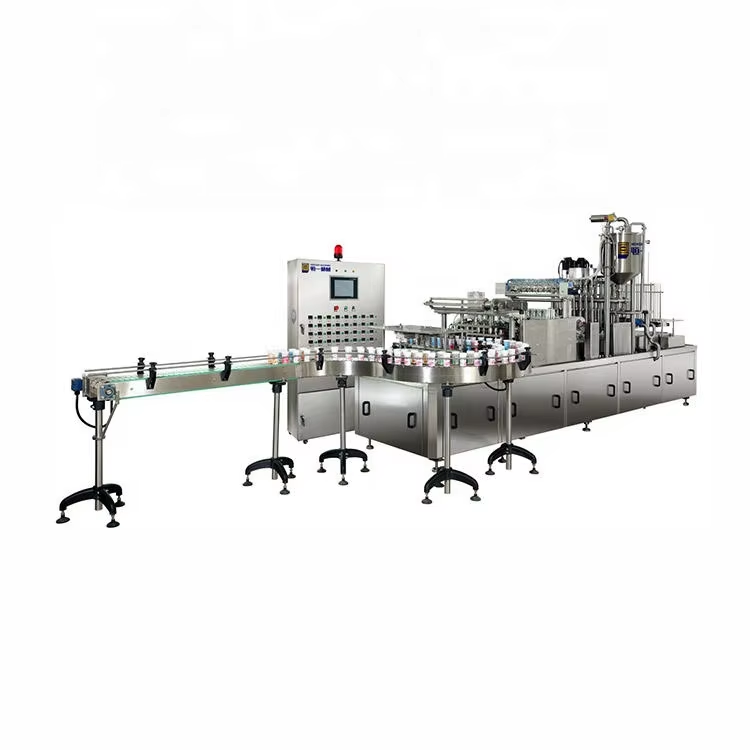
A cup filling sealing machine first earned its place in a Brooklyn hot-sauce kitchen that sold at weekend markets. The owner filled 4 oz cups by hand, pressed lids with a handheld sealer, and shipped maybe 180 units on a good Saturday. Orders doubled after a local deli listed the product, and hand work could not keep the lid flat or the seal tight past the third hour. A cup filling sealing machine took the repeat strain off the operator and held the seal line even when the room warmed up during a summer rush.
A Test Kitchen That Needed 200 Cups a Day
A contract test kitchen in Rotterdam ran 200 sample cups a day for a dairy client. Staff rotated through the task, and each person sealed at a different pressure, so some cups leaked in transit. A cup filling sealing machine with a fixed die and timed heat gave every cup the same seal, which cut the complaint rate and freed the cooks to plate the actual food instead of wrestling film rolls between batches that the client expected on time each week. That cup filling sealing machine became the reference the client later cited to other kitchens in the same network.
Where Manual Packing Breaks Down
Inconsistent Seal Strength
Hand sealers depend on how hard someone presses and how long they hold. That varies by shift and by fatigue, so a cup filling sealing machine matters most when the product leaves the building. A weak seal lets air in, the sauce oxidizes, and the cup bulges by the time it reaches the shelf. Consistent pressure from a driven platen removes that gamble and protects the brand on a store that stocks the line for weeks without a second look from the buyer who ordered it.
A shop that ships by courier feels a weak cup first, because it bursts under stack pressure.
Labor Cost Against Thin Margins
Small batches still carry labor. At 200 to 500 cups a day, one person can spend three hours just filling and sealing, time that does not scale when a festival order lands. A cup filling sealing machine runs the same cycle in seconds, so the operator loads cups and watches quality instead of doing the repeat motion that wears the wrist. The saving shows up as capacity on the days that actually move the business forward past the slow season and into steady reorders. A cup filling sealing machine that runs unattended also frees the owner to sell at the market, not just pack cups behind the bench all Saturday.
How It Works and What Standards Prove
Filling, Sealing, and the Rules Behind Them
Most cup filling sealing machine models dose by volume through a piston or peristaltic head, which is fast and clean for thin liquids. Thick products like hummus or gel need a servomotor that cuts the dose by weight, and a unit with a load cell reads the cup as it fills and stops at the target for the net weight the inspector verifies on a routine pull. The seal itself comes from temperature, dwell time, and pressure on the film; too little heat leaves a peelable seal while too much warps the rim, so the right machine stores those three values per recipe and holds them through the run without a guess from a new operator on a Monday.
Safety and Build Quality You Can Verify
A cup filling sealing machine that runs unattended must guard the heat die and the moving platen. In the United States, OSHA 29 CFR 1910.212 requires guarding on moving parts and ANSI B11.19 sets the performance criteria, so a unit built to those references shuts the cycle if a hand breaks the light curtain and keeps a small shop clear of the injury claims that close a business. A credible machine also carries ISO 9001 for the build process and uses 304 stainless in food zones; EN 1672-2 lists the hygiene grades, and a unit that meets the cleanable design rule wipes without trapped product, so buyers should ask for the material certificate before the first production week.
How to Choose and Run One Well
Capacity, Changeover, and Footprint
Pick a cup filling sealing machine by daily cup count, not by peak hype. A shop at 300 cups a day needs a single-lane tabletop unit, while 2,000 cups calls for an inline two-lane model. Changeover time between cup sizes decides whether the unit earns its keep on a line with many SKUs, so measure the die swap before signing. Footprint matters in a leased kitchen where floor space rents by the square foot each month and the line must fit beside the prep bench. The buyer should also weigh service access, because a unit that needs a technician for every jam loses the small-batch advantage it was bought to gain on the floor.
Daily Checks and Simple Upkeep
Run a seal test on the first cup of every shift: fill, seal, invert, and press. A cup filling sealing machine that passes the invert test ships; one that weeps gets the die cleaned before the run starts. Wipe the film path, check the air filter, and log the seal temperature so a drift shows in the book. A supplier such as Higheasy Mach ships spares and a setup sheet so the unit stays in spec through the busy season and the quiet one alike without a service call. A short log book turns a guess into a record, and the record is what a retailer asks for during a supplier review of the line before reorder.
Frequently Asked Questions
Question: Is a cup filling sealing machine worth it below 500 cups a day?
Answer: For a shop under 500 cups a day, a cup filling sealing machine pays back through labor and fewer leaks rather than speed alone. The unit frees about three hours of repeat hand work each shift and holds a flat seal the inspector accepts. A small tabletop model fits a leased kitchen and still meets food-grade build rules, so the buy makes sense once weekly volume stays steady instead of spiking only at markets that the owner cannot predict.
Question: What cup sizes does a standard machine take?
Answer: Most cup filling sealing machine models handle 50 ml to 500 ml with swap-in molds, while wider bowls need a custom die. The change takes minutes on a tool-free laneway and the recipe stores the fill depth for next time. A buyer should confirm the rim diameter with the supplier, because a cup filling sealing machine seals to the lip, and a wrong mold wastes the first production run on film that will not seat cleanly on the cup.
Question: Can one machine fill both liquid and thick paste?
Answer: A cup filling sealing machine with a servo piston fills thin dressings and thick pastes by switching the dose mode and the nozzle. Thin product needs a fast short stroke, while paste needs a slow cut to avoid stringing on the rim. The same unit stores both recipes, so a kitchen that sells a drink and a dip runs both on one line without a second capital outlay for a dedicated filler head that sits idle most days.
Question: How long does a seal die last?
Answer: A seal die on a cup filling sealing machine lasts roughly 200,000 to 500,000 cycles with daily wipe-down and the right film. Teflon-coated dies resist sticking and need less force, which protects the rim from warping. The unit logs cycle count on the controller, so the shop orders a spare before the die shows fatigue and avoids a stoppage in the middle of a festival order that cannot wait for a parts truck to arrive.
Question: What power and air does the machine need?
Answer: A tabletop cup filling sealing machine typically runs on 110V or 220V single phase and needs clean dry air at about 6 bar from a small compressor. The unit draws little power at idle, so a standard kitchen outlet works in most sites. Buyers should check the air filter weekly, because moisture in the line stains the film and shortens the life of the pneumatic seals inside the unit during humid summer weeks on the floor.
Question: How is the machine cleaned between flavors?
Answer: A cup filling sealing machine cleans by lifting the hopper, rinsing the product path, and wiping the film track with a food-safe cloth. The stainless zones meet EN 1672-2 hygiene design, so no product traps in corners during the rinse. The unit should be dried and the seal temperature logged after each flavor change, which keeps the next run free of cross taste that a customer would notice on the first spoon of the cup.