
What Mixed Lines Actually Run
A Meal-Prep Brand With Two Textures
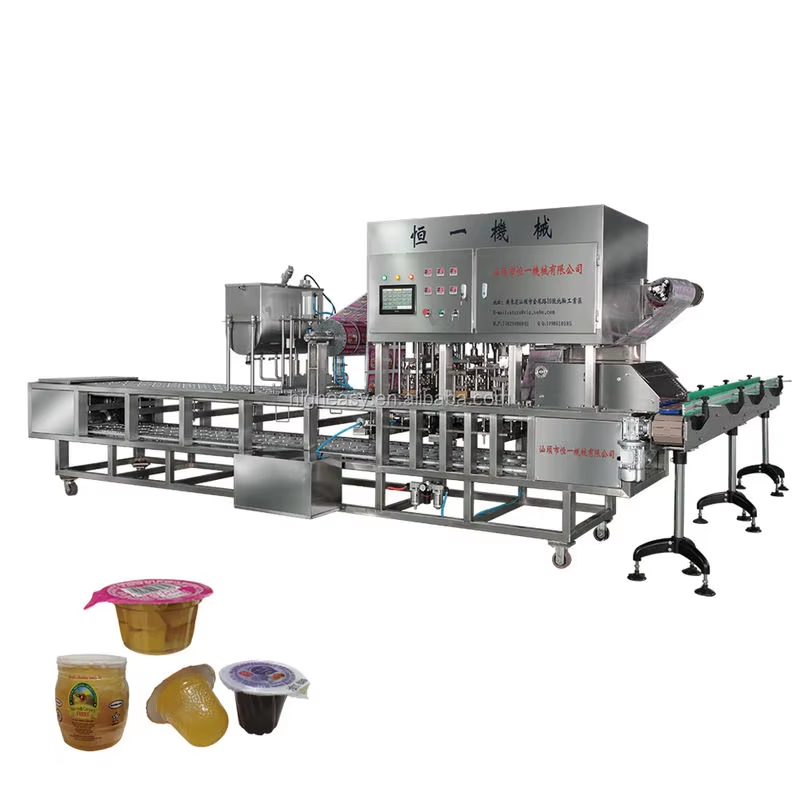
A cup filling sealing machine earned its keep at a meal-prep kitchen that packed a broth cup and a grain cup on the same line. The broth ran thin and the grain sat dense, so one filler head could not serve both without a rinse between every cup. The unit with a twin path let the line run both SKUs in a single pass, which kept the lunch order on time during a busy Monday prep the owner had underestimated and the client expected.
A Dessert Shop Switching Daily
A dessert shop in Lisbon switched from a fruit coulis to a chia pudding every morning, and the machine clogged on the second product until the nozzle was changed. A cup filling sealing machine with a quick-swap nozzle and an agitator in the hopper handled the swap in minutes, so the shop opened with the right cup and no scrap from a half-filled first tray that the old unit left behind on the bench.
Where One Head Fails Both
Liquid Stringing on the Rim
A cup filling sealing machine tuned for paste dribbles when it meets a thin dressing, leaving a tail that seals into the lid and leaks later. The unit needs a cut-off nozzle that snaps the stream, not a slow piston that lets the liquid trail. A line that ignores this strings product on the rim, and the machine then seals a weak edge that fails the invert test at the pack station before the carton leaves the dock unsold.
Solids Jamming the Piston
A cup filling sealing machine built for liquid stalls when it meets chunks, because the piston meets a piece it cannot push and the dose slips. The unit should use an auger or a baffled hopper that meters solids without bridging. A buyer who runs granola or fruit should test the machine on the real mix, because a unit that jams on the bench jams worse on the eight-hour shift that pays the rent for the shop. A wider hopper mouth also helps the chunk drop without bridging, which a narrow throat invites on a cold morning when the mix thickens.
How the Machine Handles Both and What Build Proves
Separate Dose Paths and Nozzle Design
The clean answer is a cup filling sealing machine with two independent paths: a servo piston for liquid and an auger for solids, both feeding the same cup. The unit stores a recipe per product and swaps the active head by recipe, so the operator picks the SKU and the line follows. A twin-path model uses a heated cut-off nozzle for liquid and a slow agitator that keeps solids moving without crushing them, with agitator speed logged per recipe so granola and chia each get their own setting. A cup filling sealing machine built this way also speeds the daily swap, because the operator picks the recipe and the line self-sets the head and the seal without a manual tune between the two products that share the floor.
Hygiene and Guarding You Can Verify
A cup filling sealing machine that touches food must use 304 stainless in the path and meet ISO 14159 for hygiene design, so no product traps in a corner and a trapped grain does not sour the broth cup that follows. The unit should wipe clean between the two products without tools. It should also stop the cycle if a hand breaks the light curtain under ANSI B11.19 guarding, because a small shop that skips the guard trades a lower quote for an injury claim that closes the door faster than any saving counted. The guard also locks the heat zone during the strip-down, so a night clean never exposes a finger to the die that holds the film in place on the bench.
How to Specify and Maintain
Test on Your Own Product
Specify a cup filling sealing machine by sending a sample of both products to the builder, not by quoting volume alone. The unit should run a video on the real broth and the real grain, then ship a sealed sample of each for the invert test. A buyer who tests only water learns nothing, because a machine that seals water can still string a dressing on the rim at speed during the peak run that the client booked. The sample video also shows the seal edge under a magnifier, which a spec sheet cannot convey, so the buyer judges the real rim before paying for the unit.
Clean and Calibrate Often
Run the cup filling sealing machine through a full strip and rinse between the two products every day, and log the seal temperature and the dose per cup. The unit that is wiped and recalibrated holds tolerance through the week, while a neglected one drifts and the cups weep. A supplier such as Higheasy Mach ships the change parts and a care sheet so the machine stays in spec across both textures without a service call on a busy day at the plant.
Frequently Asked Questions
Question: Can one cup filling sealing machine run liquid and solids?
Answer: A cup filling sealing machine with twin dose paths runs both by swapping the active head per recipe, so a broth and a grain share one line. The unit stores the fill setting for each SKU, which keeps the dose true. A single-head model can jam on chunks or string on thin liquid, so the twin path is the safe pick for a kitchen that packs both textures daily without a stop on the floor.
Question: Why does liquid string on the rim?
Answer: A cup filling sealing machine with a slow piston trails the stream when it meets thin dressing, and that tail seals into the lid as a weak edge. The fix is a cut-off nozzle that snaps the flow the moment the cup is full. A buyer should watch a run video at speed, because a unit that looks clean at bench pace still strings on the eight-hour shift and leaks after the carton leaves the dock unsold to the client.
Question: How are solids kept from jamming?
Answer: A cup filling sealing machine meters solids with an auger or a baffled hopper and a slow agitator that moves the mix without crushing fruit. The unit logs agitator speed per recipe, so granola and chia each get their own setting. A buyer should test the machine on the real chunk size, because a head that bridges on the bench jams worse under the heat and the noise of a full production day on the line.
Question: What hygiene rules apply to mixed lines?
Answer: A cup filling sealing machine that touches both products must use 304 stainless in the path and meet ISO 14159 so no grain traps in a corner and sours the next cup. The unit wipes clean without tools between SKUs, which protects the broth from the grain. A buyer should request the material cert, because a machine with unknown hopper plastic fails a food audit before the first sealed tray ships to the client.
Question: What should a buyer test before purchase?
Answer: A buyer should send both products to the builder and watch a cup filling sealing machine run each at line speed, then invert-test the sealed samples at the bench. The unit that seals water can still string a dressing, so the real mix is the only fair test. A machine proven on the actual broth and grain tells the truth, while a water demo hides the rim and the jam the shop will face on day one of the run.
Question: How often is cleaning needed between runs?
Answer: A cup filling sealing machine on a mixed line needs a full strip and rinse between the two products every day, plus a logged seal-temperature and dose check each shift. The unit that is wiped and recalibrated holds tolerance through the week without weeping cups. A neglected machine drifts and leaks, so the care sheet from the supplier sets the rhythm that keeps both textures safe and the audit clean each month at the site.