
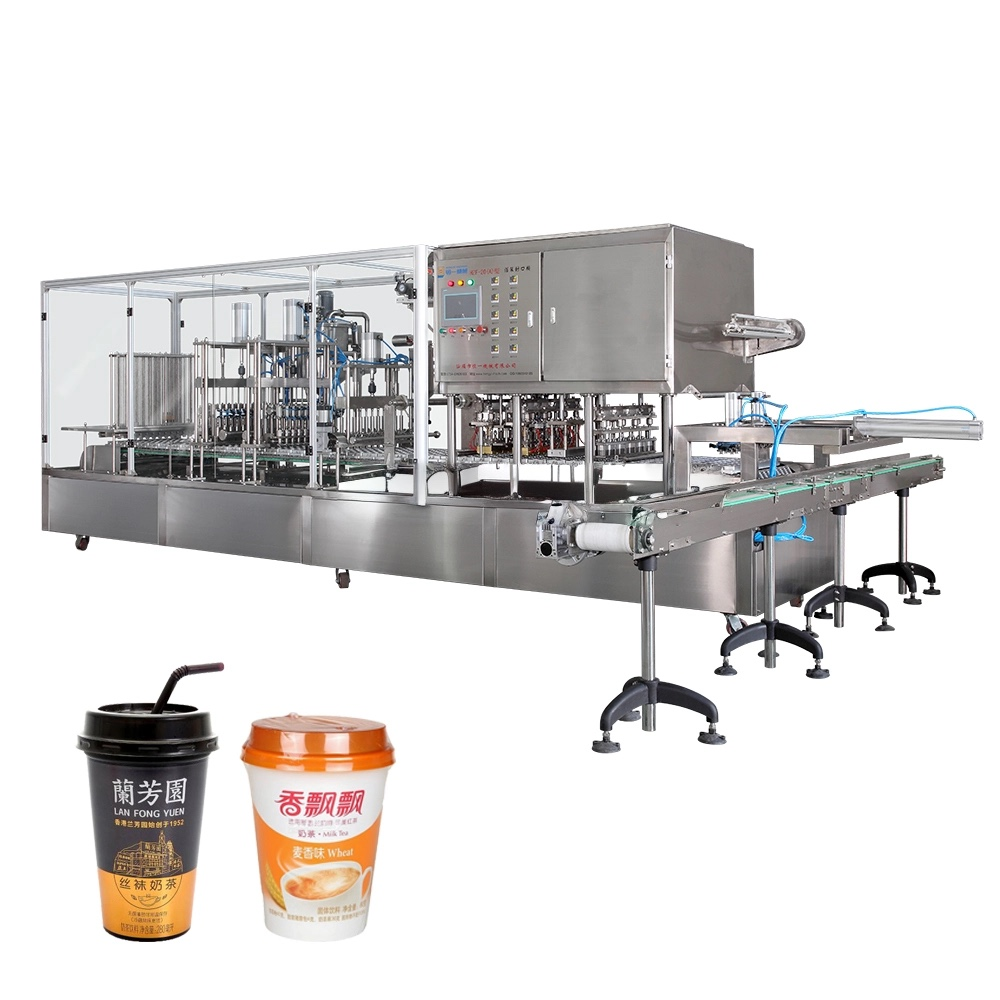
Premade Pouch Filling Sealing Machine: Evaluating Automatic Pouch Feeding for High-Volume Production
Manual pouch feeding creates two problems simultaneously: labor cost and speed inconsistency. A worker loads 20 pouches per minute for two hours, then fatigue drops the rate to 15. When production scales from 5,000 to 20,000 pouches daily, manual feeding becomes the bottleneck. The question is whether a premade pouch filling sealing machine with automatic feeding justifies the investment — and under what conditions.
Understanding Automatic Pouch Feeding Technology
How Automated Pouch Handling Works
An automatic feeding system on a premade pouch filling sealing machine begins with a magazine holding several hundred empty pouches. Pneumatic suction cups pick one pouch at a time and transfer it to grippers on a rotary or linear conveyor. These grippers carry the pouch through opening, filling, sealing, and discharge. The key challenge is reliable single-pouch pickup — if suction cups grab two pouches, both are rejected.
Vacuum Systems and Grip Reliability
The pickup mechanism relies on vacuum generation — from a dedicated pump or Venturi system driven by compressed air. Dedicated pumps provide more consistent suction across varying plant air conditions. Silicone cups maintain flexibility at cold temperatures; nitrile cups resist oil degradation in snack environments. Momentary vacuum loss from dusty pouch surfaces or pressure fluctuations causes missed picks that compound across a shift on a premade pouch filling sealing machine.
A Real-World Case: Snack Manufacturer's Throughput Barrier
The Manual Feeding Bottleneck
A dried fruit snack packer in South America operated three shifts, each needing two operators to feed stand-up pouches onto their premade pouch filling sealing machine. At peak demand, a third operator was needed to maintain 45 pouches per minute. When one operator called in sick, the line slowed by 25-30%, eroding margins.
After Installing Automatic Pouch Feeding
The company upgraded to a multi-head premade pouch filling sealing machine with automatic feeding holding 400 pouches per reload. One operator now manages two machines. Throughput stabilized at 48 pouches per minute, with 18-month ROI from labor reduction and 12% higher daily output. Equipment sourced from Shantou Higheasy Machinery Co., Ltd. included Siemens PLC and Festo pneumatics.
Technical Considerations for Automatic Feeding Systems
Pouch Material Compatibility and Static Control
Not all pouch materials feed equally. Metallized films settle reliably; lightweight LDPE pouches may float or stick due to static. A premade pouch filling sealing machine should include ionizing bars near the pickup station. Without static control, pouches cling together, causing double-picks and jams. Pouch surface texture also matters — glossy films create stronger static adhesion than matte finishes, and humid production environments reduce static buildup but may introduce moisture-related sealing problems downstream.
Magazine Capacity and Changeover Efficiency
Magazine capacity determines practical value. At 60 pouches per minute with a 200-pouch magazine, reloading is needed every 3.3 minutes — the operator spends nearly as much time reloading as manual feeding. Systems designed for sustained automation hold 500-800 pouches and support hot reloading while the premade pouch filling sealing machine runs. This feature alone determines whether the investment pays back. Magazine design also affects reliability: inclined gravity-feed magazines work well with heavier foil pouches but may jam with lightweight plastic films, while vertical pick-and-place magazines handle a wider range of materials but add mechanical complexity and cost.
Practical Evaluation and Selection Advice
Before investing in an automatic-feeding premade pouch filling sealing machine, run a time study across all shifts calculating true labor cost. Request a demonstration using your actual pouch material, not the supplier's standard test pouch. Watch double-pick rates and jam frequency over 30 minutes. During factory testing, place sensors near the machine to verify static control under your plant's conditions.
Frequently Asked Questions
Do automatic pouch feeding systems work with zipper pouches?
Yes, but zipper pouches require specialized grippers that hold below the zipper track. A premade pouch filling sealing machine for zipper pouches includes wider jaw openings and adjustable grip pressure. Higheasy Machinery provides custom configurations for different closure types.
How many pouches can a magazine hold on a premade pouch filling sealing machine?
Magazine capacity ranges from 200 to 800 pouches depending on size and model. Larger magazines reduce reload frequency. Shantou Higheasy Machinery designs premade pouch filling sealing machine systems with hot-reload capability for replenishment without stopping production.
What is the typical ROI timeline for automatic pouch feeding?
Most achieve ROI within 12 to 18 months through reduced labor, lower overtime, and throughput consistency. The timeline depends on labor costs, volume, and shift configuration. A time study provides the most accurate projection for a premade pouch filling sealing machine investment.
Can a premade pouch filling sealing machine handle different pouch sizes automatically?
Size changes require adjusting magazine guides, gripper spacing, and sealing jaws. Quick-change designs reduce this to 10-20 minutes. Servo-driven automatic changeover is available on premium premade pouch filling sealing machine configurations from Higheasy Machinery.
What causes double-pick errors in automatic pouch feeding?
Static electricity and worn suction cups are the primary causes. Ionizing bars and regular suction cup replacement every three to six months minimize double-pick rates.
Does automatic feeding require more maintenance than manual feeding?
Automatic feeding adds pneumatic components requiring regular inspection. The maintenance increase is typically offset by reduced production labor. Higheasy Machinery provides schedules and spare parts lists with each premade pouch filling sealing machine installation.
Table of Contents
- Premade Pouch Filling Sealing Machine: Evaluating Automatic Pouch Feeding for High-Volume Production
- Understanding Automatic Pouch Feeding Technology
- A Real-World Case: Snack Manufacturer's Throughput Barrier
- Technical Considerations for Automatic Feeding Systems
- Practical Evaluation and Selection Advice