
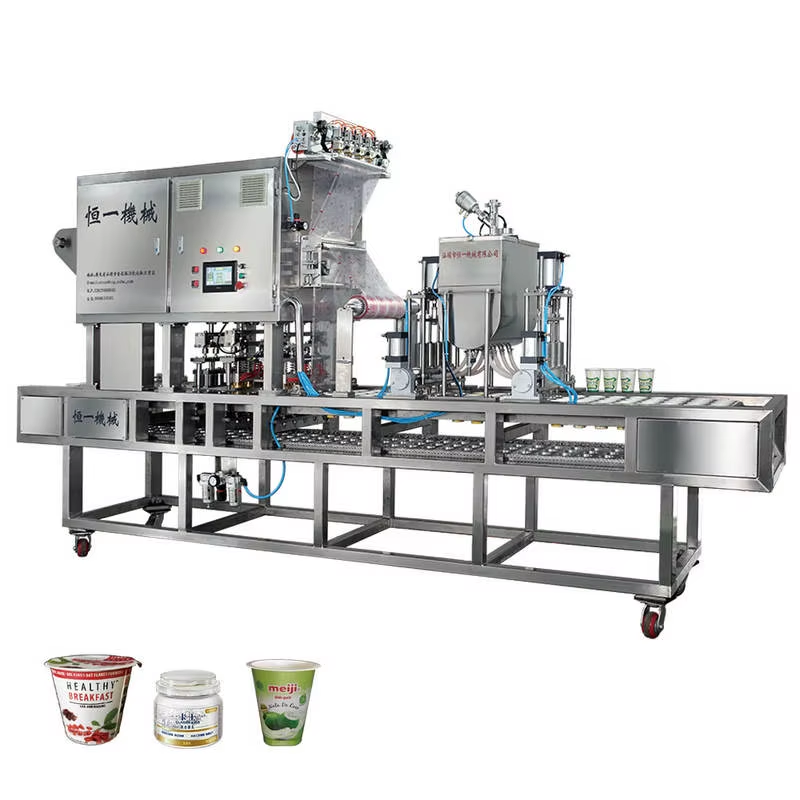
เครื่องบรรจุและปิดผนึกถุงสำเร็จรูป: แนวทางปฏิบัติด้านการบำรุงรักษาที่จำเป็นเพื่อความน่าเชื่อถือในระยะยาว
สายการผลิตบรรจุภัณฑ์ที่ทำงานวันละ 16 ชั่วโมง ขึ้นอยู่กับประสิทธิภาพที่คาดการณ์ได้ของทุกชิ้นส่วน เครื่องบรรจุและปิดผนึกถุงสำเร็จรูป เมื่อเกิดข้อขัดข้องขึ้นอย่างไม่คาดคิด ผลิตภัณฑ์ที่บรรจุไม่เต็มจะเน่าเสีย อุปกรณ์ขั้นตอนต่อไปจะหยุดทำงาน และการจัดส่งจะล่าช้า การบำรุงรักษาที่มีประสิทธิภาพสามารถป้องกันสถานการณ์ดังกล่าวได้ ทว่าความท้าทายอยู่ที่การรู้ว่าภารกิจใดมีความสำคัญที่สุด
ทำความเข้าใจส่วนประกอบที่สึกหรอในเครื่องบรรจุและปิดผนึกถุงสำเร็จรูป
ส่วนประกอบที่เสื่อมสภาพก่อนส่วนอื่น
บางส่วนบน เครื่องบรรจุและปิดผนึกถุงสำเร็จรูป การสึกหรอขึ้นอยู่กับจำนวนรอบการทำงาน ไม่ใช่ระยะเวลาตามปฏิทิน เครื่องจับถุงแบบ Pouch grippers จะเกิดแรงเสียดทานในทุกรอบการทำงาน — ที่ความเร็ว 45 ถุงต่อนาที จะมีจำนวนรอบการทำงานประมาณ 64,800 รอบต่อวัน หลังจากผ่านไปหลายล้านรอบ ชิ้นส่วนสปริงจะสูญเสียแรงตึง และขาจับ (jaws) จะเกิดรูปแบบการสึกหรอที่ชัดเจน ขณะเดียวกัน ขาจับสำหรับการปิดผนึก (sealing jaws) ก็เผชิญกับความเครียดสะสมในลักษณะเดียวกัน: วงจรการให้ความร้อนและระบายความร้อนทำให้เกิดการขยายตัวและหดตัวจากความร้อน ส่งผลให้ตำแหน่งของขาจับเปลี่ยนไปเพียงเศษส่วนของมิลลิเมตร ซึ่งอาจก่อให้เกิดการปิดผนึกที่ไม่สมบูรณ์
สุขภาพของระบบไฮดรอลิกและประสิทธิภาพสุญญากาศ
ระบบลมเป็นตัวขับเคลื่อนการเปิดถุง การทำงานของเครื่องจับถุง (gripper actuation) และการเคลื่อนที่ของขาจับสำหรับการปิดผนึก คุณภาพของอากาศอัดมีผลโดยตรงต่ออายุการใช้งานของชิ้นส่วน — ความชื้นก่อให้เกิดการกัดกร่อนภายในกระบอกสูบ ส่วนสิ่งสกปรกขนาดเล็กจะขีดข่วนผนังและทำลายซีล กระบอกสูบแบรนด์ Festo ได้รับการออกแบบให้ทนทานต่อการใช้งานหลายล้านรอบ แต่ก็ต้องใช้ร่วมกับอากาศที่สะอาด แห้ง และมีความดันคงที่เท่านั้น หยดน้ำเพียงหยดเดียวที่ไหลผ่านวาล์วโซลินอยด์อาจก่อให้เกิดความผิดปกติแบบไม่สม่ำเสมอ ซึ่งอาการเหล่านี้จะหายไปก่อนที่ช่างเทคนิคจะสามารถวินิจฉัยปัญหาได้ เครื่องบรรจุและปิดผนึกถุงสำเร็จรูป .
กรณีศึกษาจริง: การเปลี่ยนแปลงระบบบำรุงรักษาของผู้ผลิตซองเครื่องปรุงรส
กับดักของการบำรุงรักษาแบบตอบสนอง
ผู้ผลิตเครื่องปรุงรสแห้งในแอฟริกาตะวันออกดำเนินการผลิตสามกะบนเครื่องจักรเพียงเครื่องเดียว เครื่องบรรจุและปิดผนึกถุงสำเร็จรูป โดยบรรจุส่วนผสมเครื่องเทศลงในถุงฟอยล์ ระบบบำรุงรักษาเป็นแบบตอบสนอง คือ รอให้เกิดความเสียหายแล้วจึงเข้าไปแก้ไข แทนที่จะป้องกันไว้ล่วงหน้า ในช่วงหกเดือนที่ผ่านมา เครื่องจักรมีการหยุดทำงานโดยไม่ได้วางแผนเฉลี่ย 2.3 ครั้งต่อสัปดาห์ เนื่องจากปัญหาการจับไม่ตรงของอุปกรณ์จับ (gripper), อุณหภูมิของแผ่นปิดผนึก (jaw) แปรผัน และความล้มเหลวของระบบสุญญากาศ แต่ละครั้งที่หยุดทำงานทำให้สูญเสียถุงฟอยล์ไป 30 ใบ และใช้เวลาในการแก้ไข 25–40 นาที
การนำระบบบำรุงรักษาเชิงป้องกันมาใช้งาน
โรงงานได้นำระบบบำรุงรักษาเชิงป้องกันมาใช้โดยอิงตามจำนวนรอบการทำงาน (cycle counts) โดยตรวจสอบอุปกรณ์จับทุกๆ 500,000 รอบ ตรวจสอบการจัดแนวของแผ่นปิดผนึก (sealing jaw) ทุกสัปดาห์ด้วยเกจวัดช่องว่าง (feeler gauges) สอบเทียบเทอร์โมคัปเปิล (thermocouples) ทุกเดือน และเปลี่ยนไส้กรองสุญญากาศทุก 30 วัน เครื่องบรรจุและปิดผนึกถุงสำเร็จรูป — ระบบที่มีรหัส HSD-series จากบริษัท Shantou Higheasy Machinery Co., Ltd. — บันทึกจำนวนรอบการทำงานผ่านระบบ PLC ของ Siemens ภายในระยะเวลาสี่เดือน จำนวนครั้งที่เครื่องหยุดทำงานโดยไม่ได้วางแผนลดลงเหลือเพียง 0.3 ครั้งต่อสัปดาห์ และของเสียลดลง 68%
การจัดทำโปรแกรมการบำรุงรักษาที่มีประสิทธิภาพ
รายการตรวจสอบรายวัน รายสัปดาห์ และรายเดือน
การตรวจสอบรายวันควรใช้เวลา 10 นาที: ตรวจสอบแรงดันลม การอ่านค่ามาตรวัดสุญญากาศ ฟังเสียงไอเสียผิดปกติ และเช็ดข้อต่อสำหรับปิดผนึกให้สะอาด รายสัปดาห์: ทำความสะอาดไส้กรองสุญญากาศ ตรวจสอบความเรียงของอุปกรณ์จับถุงด้วยถุงตัวอย่าง และตรวจสอบท่อนำสารเพื่อหาการรั่วซึม รายเดือน: สอบเทียบเทอร์โมคัปเปิล วัดความขนานของข้อต่อสำหรับปิดผนึก การตรวจสอบก้านกระบอกสูบ และทบทวนการวินิจฉัยระบบ PLC ระดับการตรวจสอบทั้งสามระดับนี้ช่วยตรวจจับปัญหาที่กำลังพัฒนาส่วนใหญ่ได้ใน เครื่องบรรจุและปิดผนึกถุงสำเร็จรูป .
กลยุทธ์การจัดเตรียมอะไหล่สำหรับการดำเนินงานอย่างต่อเนื่อง
สำหรับการดำเนินงานที่ต้องการหยุดชะงักน้อยที่สุด ควรมีอะไหล่สำคัญไว้ในสต๊อก ได้แก่ ชุดอุปกรณ์จับถุงหนึ่งชุด องค์ประกอบให้ความร้อนสองชุดพร้อมเทอร์โมคัปเปิล ชุดข้อต่อสำหรับปิดผนึกหนึ่งชุด ชุดซ่อมปั๊มสุญญากาศหนึ่งชุด และซีลและโอริงที่เข้ากันได้กับแบรนด์ Festo ต้นทุนในการเก็บสินค้าคงคลัง — โดยทั่วไปอยู่ระหว่าง 800–1,500 หน่วยเงิน — ถือว่าน้อยมากเมื่อเทียบกับการหยุดการผลิตเป็นเวลาสี่วันเพื่อรอการจัดส่งอะไหล่จากต่างประเทศ บริษัท Higheasy Machinery จัดให้มีแคตตาล็อกอะไหล่แยกต่างหากพร้อมกับ เครื่องบรรจุและปิดผนึกถุงสำเร็จรูป ติดตั้ง
เคล็ดลับการบำรุงรักษาที่ใช้งานได้จริงสำหรับทีมการผลิต
ฝึกอบรมผู้ปฏิบัติงานให้สามารถสังเกตสัญญาณเตือนสามประการ ได้แก่ การเปลี่ยนแปลงของเสียงเครื่องจักร ระยะห่างระหว่างถุงที่ไม่สม่ำเสมอบนสายพานลำเลียงออก และคราบฟิล์มที่ตกค้างบนพื้นผิวบริเวณรอยปิดผนึก จัดทำบันทึกการเปลี่ยนกะสำหรับผู้ปฏิบัติงาน และให้ช่างเทคนิคตรวจสอบบันทึกนี้ทุกวัน ทำความสะอาดเซ็นเซอร์โฟโตอิเล็กทริกทุกสัปดาห์ด้วยแอลกอฮอล์ไอโซโพรพิล — เลนส์ที่มีฝุ่นสะสมเป็นสาเหตุหลักของการตรวจจับผิดพลาด สำหรับระบบของ Higheasy Machinery ให้ใช้การสนับสนุนระยะไกลผ่านวิดีโอเพื่อแก้ไขปัญหาที่ซับซ้อนโดยไม่ต้องรอช่างเทคนิคมาประจำสถานที่
คำถามที่พบบ่อย
ควรเปลี่ยนข้อต่อสำหรับการปิดผนึก (sealing jaws) บนเครื่องบรรจุและปิดผนึกถุงสำเร็จรูปบ่อยแค่ไหน
การเปลี่ยนข้อต่อสำหรับการปิดผนึกขึ้นอยู่กับจำนวนรอบการทำงานและชนิดของฟิล์ม สำหรับฟิล์ม BOPP หรือ PE โดยทั่วไปข้อต่อจะใช้งานได้นาน 12–18 เดือน แต่ฟิล์มที่เคลือบโลหะซึ่งมีความหยาบอาจลดอายุการใช้งานลงเหลือเพียง 6–9 เดือน Higheasy Machinery แนะนำให้ตรวจสอบความขนานของข้อต่อทุกเดือนสำหรับเครื่องของพวกเขา เครื่องบรรจุและปิดผนึกถุงสำเร็จรูป ระบบ
อะไรคือสาเหตุที่ทำให้คุณภาพของรอยปิดผนึกไม่สม่ำเสมอ แม้ว่าการตั้งค่าอุณหภูมิจะถูกต้องแล้ว
การเรียงตัวของขากรรไกรผิดปกติเป็นสาเหตุที่พบบ่อยที่สุด — แม้ช่องว่างเพียง 0.2 มม. ก็สามารถสร้างแรงดันที่ไม่สม่ำเสมอได้ สาเหตุอื่นๆ ได้แก่ การสึกหรอของข้อต่อระบบทำความร้อน การคลาดเคลื่อนของเทอร์โมคัปเปิล และคราบฟิล์มตกค้าง เครื่องบรรจุและปิดผนึกถุงสำเร็จรูป จะตรวจสอบการจัดแนวเป็นลำดับแรก จากนั้นจึงตรวจสอบข้อต่อ และสุดท้ายจึงปรับค่าการสอบเทียบ
ผู้ปฏิบัติงานสามารถดำเนินการบำรุงรักษาพื้นฐานเครื่องบรรจุและปิดผนึกถุงสำเร็จรูปได้หรือไม่
ได้ งานที่ผู้ปฏิบัติงานต้องทำเป็นประจำ ได้แก่ การทำความสะอาดทุกวัน การตรวจสอบสายอากาศ และการตรวจสอบตัวกรอง ส่วนการปรับแต่งส่วนประกอบเชิงกลและการทำงานกับระบบไฟฟ้าจำเป็นต้องให้ช่างเทคนิคที่ผ่านการฝึกอบรมมาดำเนินการ บริษัท Shantou Higheasy Machinery จัดการฝึกอบรมผู้ปฏิบัติงานให้กับลูกค้าทุกเครื่อง เครื่องบรรจุและปิดผนึกถุงสำเร็จรูป ติดตั้ง
การเปลี่ยนผลิตภัณฑ์บนเครื่องบรรจุและปิดผนึกถุงสำเร็จรูปใช้เวลานานเท่าใด
ด้วยระบบอุปกรณ์เปลี่ยนอย่างรวดเร็ว (quick-change tooling) การเปลี่ยนผลิตภัณฑ์ทั้งหมดจะใช้เวลา 15–30 นาที โดยการปรับตำแหน่งตัวนำถุงในแม็กกาซีน ระยะห่างของแคลมป์จับ ระยะห่างของแผ่นปิดผนึก และพารามิเตอร์ของ PLC ส่วนหากไม่มีระบบอุปกรณ์เปลี่ยนอย่างรวดเร็ว จะใช้เวลา 45–90 นาทีบนเครื่อง เครื่องบรรจุและปิดผนึกถุงสำเร็จรูป .
เครื่องบรรจุและปิดผนึกถุงสำเร็จรูปต้องการคุณภาพอากาศอัดแบบใด
แนะนำให้ใช้มาตรฐาน ISO 8573-1 ระดับชั้น 1.4.1 (อนุภาคขนาดไม่เกิน 0.1 ไมครอน จุดน้ำค้างไม่เกิน +3°C และปริมาณน้ำมันไม่เกิน 0.01 มก./ลบ.ม.) ความชื้นและน้ำมันจะทำให้อายุการใช้งานของระบบลมลดลง และอาจปนเปื้อนพื้นผิวที่สัมผัสกับอาหาร ตัวทำแห้งแบบทำความเย็นและตัวกรองแบบโคแอกเซสซิงที่ติดตั้งบริเวณทางเข้าจะให้การป้องกันที่เพียงพอสำหรับ เครื่องบรรจุและปิดผนึกถุงสำเร็จรูป .
ฉันจะรู้ได้อย่างไรว่าปั๊มสุญญากาศของฉันต้องเข้ารับการบำรุงรักษา
ความน่าเชื่อถือในการดูดจับที่ลดลง เวลาเปิดนานขึ้น และฝุ่นสะสมรอบๆ ทางเข้าของปั๊ม ล้วนเป็นสัญญาณบ่งชี้ถึงปัญหา ค่าแรงดันสุญญากาศที่วัดได้ต่ำกว่าค่าที่กำหนดไว้ 15-20% จะยืนยันการวินิจฉัยนี้ได้ ฮิเกซี แมชชินเนอรี ใช้ปั๊มยี่ห้อที่มีชื่อเสียง ซึ่งมีตัวบ่งชี้ช่วงเวลาการบำรุงรักษาติดตั้งอยู่บน เครื่องบรรจุและปิดผนึกถุงสำเร็จรูป ระบบ
สารบัญ
- เครื่องบรรจุและปิดผนึกถุงสำเร็จรูป: แนวทางปฏิบัติด้านการบำรุงรักษาที่จำเป็นเพื่อความน่าเชื่อถือในระยะยาว
- ทำความเข้าใจส่วนประกอบที่สึกหรอในเครื่องบรรจุและปิดผนึกถุงสำเร็จรูป
- กรณีศึกษาจริง: การเปลี่ยนแปลงระบบบำรุงรักษาของผู้ผลิตซองเครื่องปรุงรส
- การจัดทำโปรแกรมการบำรุงรักษาที่มีประสิทธิภาพ
- เคล็ดลับการบำรุงรักษาที่ใช้งานได้จริงสำหรับทีมการผลิต